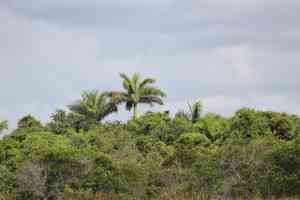
Cuban royal palm (Roystonea regia)
Also known as: Royal palm
The Cuban royal palm (Roystonea regia) is notable not only for its beauty but also for its practical applications and ecological benefits. Economically, its leaves are utilized in traditional thatching and crafting brooms, supporting local industries. The tree's seeds and fruits serve as valuable livestock feed, particularly for pigs, and its ornamental appeal enhances landscaping projects, indirectly boosting tourism and real estate values.
Ecologically, the Cuban royal palm plays a significant role by offering habitat and nourishment for various bird species and insects. Its robust root system aids in soil stabilization, reducing erosion and promoting soil health. Additionally, as a tree, it contributes to carbon sequestration, helping to mitigate climate change impacts.
These multifaceted contributions underscore the Cuban royal palm's importance in both economic and environmental contexts.
Attributes of Cuban royal palm
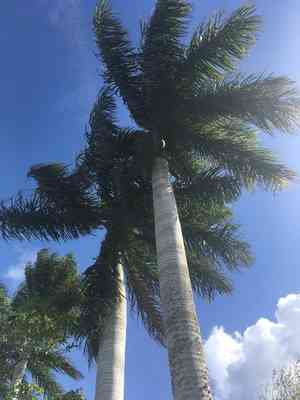
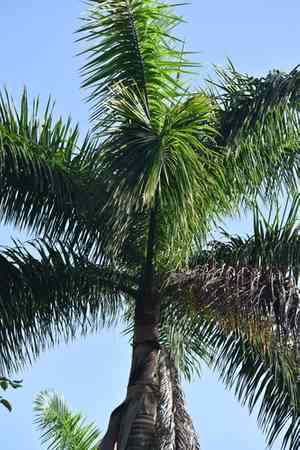
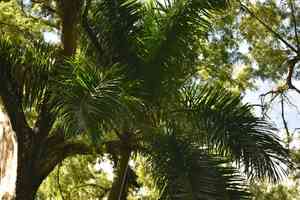
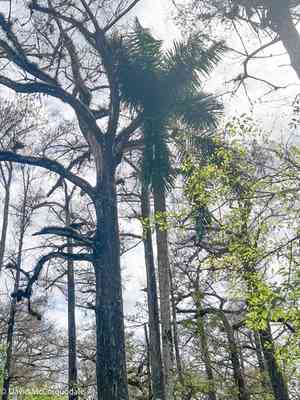
Images of Cuban royal palm
 How to Water Cuban royal palm?
  What Are the Sunlight Requirements for Cuban royal palm?
  What Is the Ideal Temperature Range for Cuban royal palm?
  What Soil is Best for Cuban royal palm?
  How to Fertilize Cuban royal palm?
  How to Prune Cuban royal palm?
  How to Propagate Cuban royal palm plant?
 How to Repot Cuban royal palm plant?



