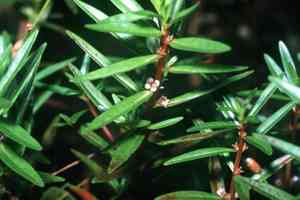
Lowland rotala (Rotala ramosior)
Also known as: Rotala
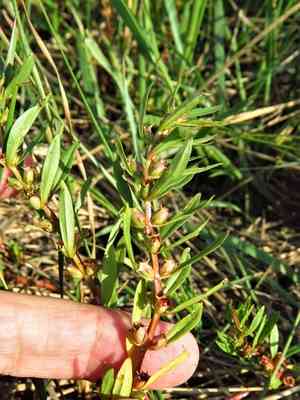
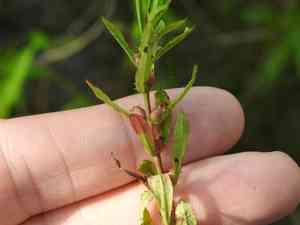
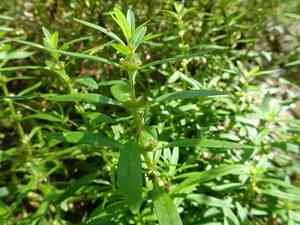
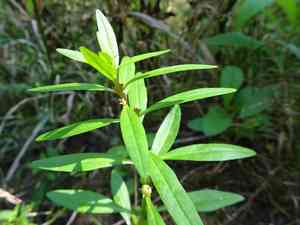
In aquarium settings, some plants feature leaves that are arranged in opposite pairs along the stems, often in a decussate pattern. The leaves can be linear, lance-shaped, or oval, reaching up to 5 cm in length. Flowers typically appear individually in the leaf axils and have triangular sepals with slender extensions. They usually exhibit four small petals, ranging in color from white to shades of pink.
In This Article
Attributes of Lowland rotala
Lifespan
Annual
Plant Type
Herb
Plant Height
10 cm to 41 cm
Spread
Typically not applicable as it is a mat-forming plant.
Leaf Color
Green, sometimes with a reddish tinge under high light
Flower Size
2-3 mm
Flower Color
Purple Pink
Images of Lowland rotala
Quickly Identify Lowland rotala
1
To identify Rotala ramosior, look for slender, branching stems and small, opposite leaves that are linear to narrowly lanceolate. The plant may exhibit pink to lavender flowers that are tiny and appear singly in the leaf axils. It also tends to form dense mats in suitable aquatic habitats.
Scientific Classification of Lowland rotala
Phylum
Vascular plants
Class
Dicotyledons
Order
Myrtales
Family
Loosestrife
Genus
Rotala
Species
Lowland rotala
Planting and Growing of Lowland rotala
Care Difficulty
Easy
Watering Schedule
Every 4 days
Sunlight Requirements
Partial sun
Sunshine Duration
4-6 hours
Ideal Temperature
68-77℉
Soil Type
Potting Mix, Peat Mix
Soil pH
6.5-7.5
Fertilizer Type
Balanced
Pruning Season
Spring, Summer
Pruning Area
Branches, Leaves
Pruning Frequency
2 times a year
Repotting Season
Spring
Pot Type
Plastic, Ceramic
 How to Water Lowland rotala?
Rotala ramosior thrives best when kept consistently moist but not waterlogged. Aim to provide approximately 250 ml of water per watering session. The soil should feel damp like a sponge that's been wrung out, allowing the plant to absorb the necessary moisture without drowning its roots. This balance ensures the plant maintains lush foliage and vigorous growth.
What are the symptoms of an underwatered Lowland rotala?
›
What should I do if my Lowland rotala is not getting enough water?
›
What are the symptoms of an overwatered Lowland rotala?
›
How to save an overwatered Lowland rotala?
›
 What Are the Sunlight Requirements for Lowland rotala?
Partial sun, with morning or late-afternoon sun exposure. Ideal lighting enhances vibrant foliage and promotes healthy growth, avoiding the risks associated with both excessive and insufficient sunlight.
What is the ideal sunlight exposure?
›
How to achieve ideal lighting conditions?
›
What benefits come from ideal lighting conditions?
›
 What Is the Ideal Temperature Range for Lowland rotala?
Rotala ramosior thrives best within a temperature range of 68°F to 77°F. Within this range, the plant exhibits optimal growth patterns and maintains vibrant colors, contributing to its overall health and beauty.
 What Soil is Best for Lowland rotala?
Rotala ramosior thrives in soils with excellent drainage. Proper drainage prevents water from stagnating around the roots, which can lead to root rot. Sandy and sandy loam soils provide the ideal balance, allowing excess water to escape while retaining enough moisture to support growth. This plant flourishes in nutrient-rich soils, which supply the essential elements required for robust growth and vibrant foliage. Loamy soils naturally contain a mix of sand, silt, and clay, offering a well-balanced environment that promotes healthy growth. Rotala ramosior requires soil with good aeration to allow for oxygen exchange at the root level. Well-aerated soils prevent the roots from suffocating and support the uptake of nutrients and water, contributing to a healthier, more resilient plant.
 How to Fertilize Lowland rotala?
For Rotala ramosior, the application of fertilizers should be moderate. Use about half the recommended strength of liquid fertilizer to prevent nutrient saturation. When applying slow-release fertilizers, use a small scoop around the base of the plant to avoid excessive buildup.
 How to Prune Lowland rotala?
Start by identifying the stems that have grown too long or become leggy. Trim these back carefully to the desired length, making sure to cut just above a node to promote bushier growth. Regular trimming will encourage the plant to develop a denser form. Conduct pruning during the growing seasons—spring, summer, and autumn—when the plant is actively expanding. Trimming every two weeks is optimal to control its size and encourage vibrant, compact growth.
More About Pruning Techniques→
 How to Propagate Lowland rotala plant?
1
Start by selecting fresh and viable seeds for propagation. Soak them in warm water overnight to encourage faster germination. This process helps soften the hard outer coat of the seed, making it easier for the seedling to break through, leading to improved germination rates among the sown seeds.
2
Select healthy, disease-free stems for cuttings, preferably from the middle portion of the plant. Make clean cuts at a 45-degree angle to increase the surface area for rooting. Remove any leaves from the bottom half of the cutting to prevent them from rotting when placed in water or soil.
3
Plant seeds or cuttings in a well-prepared growing medium, ensuring they are adequately spaced to promote air circulation. Provide moderate sunlight and keep the medium consistently moist, avoiding waterlogged conditions. Regular monitoring and gentle misting can support healthy root development and prevent dehydration.
 How to Repot Lowland rotala plant?
1
Rotala ramosior typically needs repotting when you see it becoming root-bound—roots visible at the surface or poking out from the drainage holes. Another sign is slowed growth even when all cultural conditions seem right. Doing this in spring or summer takes advantage of the plant's natural growth spurts, enabling it to establish roots more quickly in the new pot.
2
For Rotala ramosior, select a pot that's just slightly larger than the existing one. Ensure the pot has ample drainage holes to prevent water from pooling, which could lead to root rot. A pot made of a breathable material such as terracotta can be beneficial as it allows excess moisture to evaporate, thus reducing the chances of waterlogged soil.
3
Select a sandy loam mix for repotting. This type of soil is free-draining yet retains enough moisture to keep Rotala ramosior happy between waterings. It allows for adequate airflow to the roots, preventing suffocation and promoting healthier growth while providing a stable base for the plant to anchor itself.
Learn More About Lowland rotala Diseases
Anthracnose
Bacterial Leaf Spot
Bacterial Soft Rot
Chemical Injury
Damping-off
Downy Mildew
Drought Stress
Fusarium Wilt
Gray Mold
Leaf Spot
Mosaic
Nutrient Deficiency
Nutrient Toxicity
Powdery Mildew
Root Rot
Root-knot Nematode
Rusts
Sooty Mold
Spider Mites
Temperature Stress
Thrips Damage
White Mold



