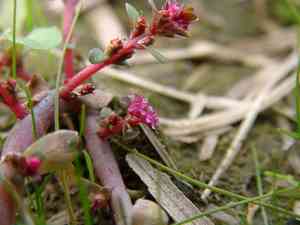
Indian toothcup (Rotala indica)
Also known as: Indian Toothcup, Dwarf Rotala
The Indian toothcup (Rotala indica) is favored by aquarium hobbyists for its eye-catching green and pinkish-red leaves, which bring vibrant color to tanks. Its ease of care and rapid growth make it an ideal choice for both novices and seasoned aquarists. With just the right amount of light, this adaptable plant thrives, enhancing the beauty and health of the aquarium environment.
In This Article
Attributes of Indian toothcup
Lifespan
Annual, Perennial
Plant Type
Herb
Plant Height
30 cm
Spread
30 cm to 60 cm
Leaf Color
Green to reddish-pink depending on light conditions
Flower Size
2.5 cm
Flower Color
Pink
Images of Indian toothcup
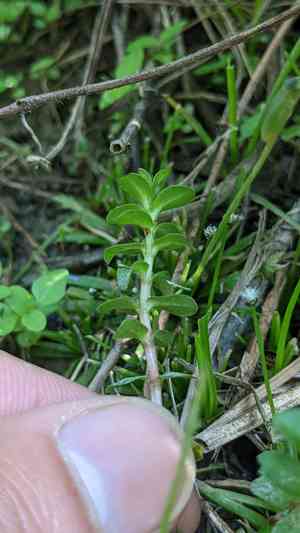
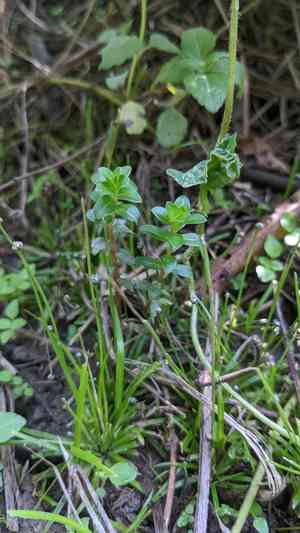
Quickly Identify Indian toothcup
1
Contrasting foliage - slender underwater leaves vs circular above-water leaves.
2
Reddish stem - adds a colorful accent to the bright green foliage.
3
Shallow water growth - can thrive in waters up to 3 feet (91 cm) deep.
4
Terminal pink flowers - delicate spikes bloom almost year-round.
Scientific Classification of Indian toothcup
Phylum
Vascular plants
Class
Dicotyledons
Order
Myrtle order
Family
Loosestrife
Genus
Rotala
Species
Indian toothcup
Planting and Growing of Indian toothcup
Care Difficulty
Easy
Watering Schedule
Every 6 days
Sunlight Requirements
Partial sun
Sunshine Duration
8-12 hours
Ideal Temperature
72-82℉
Soil Type
Potting Mix, Peat Mix
Soil pH
6.5-7.5
Fertilizer Type
Balanced
Pruning Season
Spring, Summer
Pruning Area
Branches, Leaves
Pruning Frequency
2 times a year
Repotting Season
Spring
Pot Type
Terracotta, Plastic
 How to Water Indian toothcup?
For Rotala indica, ensuring the right amount of water is crucial. It's best to maintain a consistent moisture level in the soil, making sure the substrate is damp but not waterlogged. A volume of 100 ml per watering session usually suffices, ensuring the soil is thoroughly moistened without being soggy.
What are the symptoms of an underwatered Indian toothcup?
›
What should I do if my Indian toothcup is not getting enough water?
›
What are the symptoms of an overwatered Indian toothcup?
›
How to save an overwatered Indian toothcup?
›
 What Are the Sunlight Requirements for Indian toothcup?
The ideal light range for Rotala indica is partial sun, which involves around 3 to 4 hours of indirect light daily. This light exposure fosters vibrant growth and enhances its ability to perform photosynthesis effectively.
More About Sunlight Requirements Techniques→
What type of environment is best?
›
How to achieve optimal light conditions?
›
What benefits does ideal light provide?
›
 What Is the Ideal Temperature Range for Indian toothcup?
To cultivate Rotala indica optimally, maintaining a stable temperature range of 72 to 82°F is crucial. This temperature range ensures that the plant receives the warmth necessary for proper growth and metabolic functions. Keeping within this range promotes healthy leaf coloration and vigorous growth, making the plant more vibrant in appearance and structure.
 What Soil is Best for Indian toothcup?
Rotala indica thrives in nutrient-rich soils, which supply essential macro and micronutrients needed for vibrant growth. Ensuring adequate nutrients enhances the plant's coloration and overall health. The soil should retain moisture but not become waterlogged. Adequate drainage prevents root rot while maintaining enough water for steady plant development, contributing to lush, healthy growth. Good aeration within the soil allows roots to breathe and promotes a robust root system. Aerated soil assists in nutrient uptake and enhances the plant's ability to withstand various stressors.
 How to Fertilize Indian toothcup?
Rotala indica thrives with moderate fertilization, typically requiring an application rate that follows package recommendations—commonly around half the suggested strength for general aquatic plants. This ensures the plants get necessary nutrients without the risk of fertilizer burn.
 How to Prune Indian toothcup?
Examine the Rotala indica and identify the areas where excessive growth is evident. Usually, you should target the upper nodes where the plant receives sufficient light. When pruning, ensure you cut just above a node. This not only encourages new growth but also helps the plant maintain a compact, attractive form. The cuttings can be replanted to propagate new plants. Simply plant them in the substrate, ensuring they are firmly anchored to prevent them from floating away.
More About Pruning Techniques→
 How to Propagate Indian toothcup plant?
1
Choose a healthy stem from the Rotala indica plant. The stem should be at least 4 to 6 inches long and free of any diseases or pests. This ensures that the cutting has the best chance to root successfully and grow into a healthy plant.
2
Remove the leaves from the lower part of the cutting, leaving a few at the top. This reduces the water loss from the leaves and helps the cutting focus its energy on root development. Optionally, dip the cut end in rooting hormone to encourage quicker root growth.
3
Place the cutting into a container filled with water or a suitable growing medium such as a peat-based mix. Ensure that the lower nodes of the stem are submerged to promote root growth. Keep the medium consistently moist without soaking to prevent rotting.
 How to Repot Indian toothcup plant?
1
Repotting Rotala indica is best done when you notice the plant has outgrown its current container, the roots are peeking out of the drainage holes, or growth appears stunted. These are clear signals that your plant needs more space to stretch its roots, which will promote healthier growth.
2
Select a pot that is slightly larger than the current one, with ample drainage holes. This prevents waterlogging and root rot, allowing excess water to drain away effectively. Ensure the pot’s material suits your watering habits; for instance, terracotta is ideal for those who tend to overwater as it allows the soil to dry out more quickly.
3
Opt for a rich, loamy soil mix that offers excellent drainage. The ideal soil not only retains adequate moisture for the plant's nutrient absorption but also allows excess water to move away swiftly. This ensures the roots are aerated and not suffocated by excessive water, supporting healthy growth.



