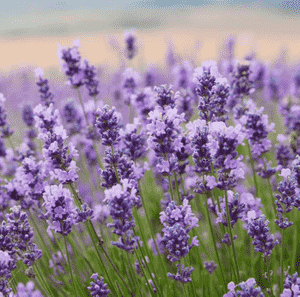
Rosmarinus officinalis (Rosmarinus officinalis)
Also known as: Rosemary,Romero,Alecrim
Rosemary, also known as Salvia rosmarinus, is a fragrant shrub with perennial, needle-like leaves and blooms in various colors like white, pink, purple, and blue. Its origin traces back to the Mediterranean area, including Portugal and Spain. Previously, until 2017, it was scientifically referred to as Rosmarinus officinalis, which has now become its synonym. Being part of the Lamiaceae family, or sage family, rosemary is one among several medicinal and cooking herbs. The term rosemary has been coined from the Latin phrase 'ros marinus', which means 'dew of the sea'. It grows on a fibrous root system.
Plant Comprehensive Care Guide: Beginner's Introduction and Key Details
Perfect for beginners starting their plant care journey
→
10 Secrets to Making Rosmarinus officinalis Grow Faster (A Must-Read for Beginners)
Advanced tips to accelerate your plant's growth
→
Care "Black Tech": 10 Little-Known Highly Effective Maintenance Tips
Expert-level techniques for optimal plant care
→
Attributes of Rosmarinus officinalis
Lifespan
Perennial
Plant Height
1 - 2 meters
Spread
4 - 5 feet
Leaf Color
Green
Flower Size
0.5 - 1 cm
Flower Color
Blue
Images of Rosmarinus officinalis
Quickly Identify Rosmarinus officinalis
1
Rosemary can be identified by its fragrance, deep green needle-like leaves, blue flowers, and woody stems.
Scientific Classification of Rosmarinus officinalis
Phylum
Tracheophyta
Class
Magnoliopsida
Order
Lamiales
Family
Lamiaceae
Genus
Salvia
Species
S. rosmarinus
Toxicity
None
WARNING
The judgment on toxicity and danger is for reference only. We DO NOT GUARANTEE any accuracy of such judgment. Therefore, you SHALL NOT rely on such judgment. It is IMPORTANT TO SEEK PROFESSIONAL ADVICE in advance when necessary.

