
Harsh downy rose (Rosa tomentosa)
Also known as: Downy rose
The harsh downy rose (Rosa tomentosa) is a resilient shrub known for its velvety stems and vibrant pink flowers. Its bright green, toothed leaves add to its bushy appearance. Adapted to temperate climates, this plant's extensive root system enables it to flourish in nutrient-deficient soils. Its fragrant blossoms not only beautify the landscape but also attract a variety of pollinators, significantly contributing to the local ecosystem. This combination of deep roots, adaptability to different soils, and attraction to pollinators underscores its ability to thrive in diverse growing conditions.
In This Article
Attributes of Harsh downy rose
Lifespan
Perennial
Plant Type
Shrub
Plant Height
1.5 to 2.5 meters
Spread
1 to 2 meters
Leaf Color
Green with a rusty or downy texture
Flower Size
2 to 4 centimeters
Flower Color
Pink
Images of Harsh downy rose

Quickly Identify Harsh downy rose
1
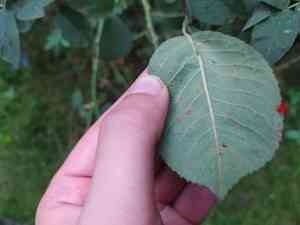
To identify Rosa tomentosa, look for a shrub with softly hairy leaves that have a rusty or downy texture. The flowers are typically pink with five petals and numerous stamens. The plant also produces bright red hips that are oval-shaped.
Scientific Classification of Harsh downy rose
Phylum
Vascular plants
Class
Dicotyledons
Order
Rosales
Family
Rose
Genus
Roses
Species
Harsh downy rose
Planting and Growing of Harsh downy rose
Care Difficulty
Easy
Watering Schedule
Every 4 days
Sunlight Requirements
Full sun
Sunshine Duration
6-10 hours
Ideal Temperature
60-75℉
Soil Type
Potting Mix, Peat Mix
Soil pH
6.5-7.5
Fertilizer Type
Balanced
Pruning Season
Spring, Summer
Pruning Area
Branches, Leaves
Pruning Frequency
2 times a year
Repotting Season
Spring
Pot Type
Plastic, Terracotta
 How to Water Harsh downy rose?
Rosa tomentosa requires a moderate amount of water, typically around 800 ml per watering session. The soil should be consistently moist but not waterlogged. This ensures that the roots have enough moisture to sustain growth without drowning them. The key is to let the top inch of soil dry out slightly between waterings, ensuring that water reaches the root zone without pooling.
What are the symptoms of an underwatered Harsh downy rose?
›
What should I do if my Harsh downy rose is not getting enough water?
›
What are the symptoms of an overwatered Harsh downy rose?
›
How to save an overwatered Harsh downy rose?
›
 What Are the Sunlight Requirements for Harsh downy rose?
Rosa tomentosa requires full sun to partial sun conditions, benefiting from well-lit areas. Adequate light ensures vigorous growth, robust blooms, and disease prevention.
Question: What is the ideal lighting condition for Rosa tomentosa?
›
Solution to achieve ideal lighting:
›
Benefits of achieving ideal lighting:
›
 What Is the Ideal Temperature Range for Harsh downy rose?
For Rosa tomentosa, the ideal temperature range should be maintained between 60°F to 75°F. This range keeps the plant in a comfortable environment that promotes healthy growth and blooms. Temperatures within this range allow for optimal photosynthesis and nutrient uptake.
 What Soil is Best for Harsh downy rose?
Rosa tomentosa thrives best in well-drained soil, which helps prevent waterlogging. Waterlogged conditions can lead to root rot in this plant, thus well-drained soil significantly enhances its growth and health by maintaining optimal moisture levels around the roots. This plant prefers nutrient-rich soils to support its lush growth and flowering. Amending the soil with organic matter like compost enriches it with essential nutrients, thus promoting more vigorous growth and large, vibrant blooms. While drainage is crucial, soil that retains enough moisture ensures the plant does not dry out. Rosa tomentosa needs consistent moisture without being waterlogged, so a balance is crucial for maintaining plant vitality and robust growth.
 How to Fertilize Harsh downy rose?
For Rosa tomentosa, an appropriate fertilization approach involves using about 250 ml of diluted liquid fertilizer per application, ensuring it is not too concentrated. Over-fertilizing can be harmful, so it's vital to follow dosage instructions precisely. Solid fertilizers should be applied sparingly, using about 100 grams around the base of the plant, ensuring it integrates well into the soil without overwhelming the root system.
 How to Prune Harsh downy rose?
Start by removing any dead, damaged, or diseased canes first. Snip them off at the base or a healthy part of the branch using a clean cut. This helps prevent the spread of disease and allows more energy to be directed to healthy growth. Prune branches that are crowding the center to improve air flow, reducing humidity and the likelihood of fungal diseases. Trim branches that cross over each other as these can create wounds when the wind blows. When shaping Rosa tomentosa, aim for an open vase shape. Cut back the main stems by about one-third to encourage bushy growth. This shape not only looks aesthetically pleasing but also maximizes light penetration to all parts of the plant. Suckers are vigorous shoots that grow from the rootstock below the graft union. These should be removed as they draw energy away from the grafted rose, impacting blooming and overall health.
More About Pruning Techniques→
 How to Propagate Harsh downy rose plant?
1
Collect Rosa tomentosa seeds and sow them in a well-draining seed-starting mix. Cover the seeds lightly with soil and place the tray in a warm, bright area. Keep the soil moist but not waterlogged. Germination can take several weeks, so be patient.
2
Choose a healthy stem and cut a 6- to 8-inch section below a node. Remove any leaves from the lower half and dip the cut end in rooting hormone. Plant the cutting in a pot filled with moist potting soil and cover it with a plastic bag to maintain humidity.
3
Select a suitable rootstock and cut it to create a flat surface. Take a scion from a healthy Rosa tomentosa plant and carefully align it with the rootstock. Secure them together with grafting tape. Place the graft in a cool, sheltered location until it begins to sprout.
 How to Repot Harsh downy rose plant?
1
Look for signals such as roots poking out of drainage holes, sluggish growth, or compacted soil. These are signs that your Rosa tomentosa needs a roomier residence. Spring and summer are ideal due to active growth, allowing the plant to recover quickly from the repotting process.
2
Choose a pot that is a couple of inches larger in diameter than the current one. This provides enough room for root expansion without causing water retention issues. Ensure the pot has drainage holes to prevent waterlogged roots, which can lead to root rot.
3
Opt for a rich, well-draining mix. A blend of loam-based compost with some organic matter works wonders. This ensures adequate nutrition and prevents water from sitting around the roots, promoting healthy growth by mimicking the plant's natural environment.



