
Ground rose (Rosa spithamea)
Also known as: Ground Rose, Satiny Rose
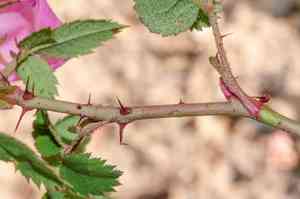
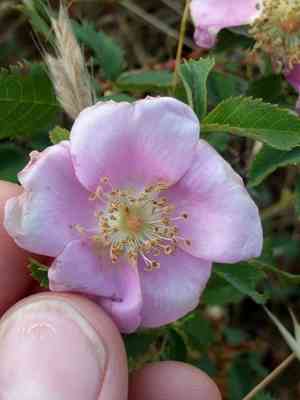
A ground rose is a perennial, low-growing shrub that thrives on rocky terrains and slopes. It features a creeping growth habit and produces vibrant pink flowers in the spring, which have a traditional wild rose look and attract pollinators. The plant is known for its stout, thorny stems and glossy, deep green leaves, making it both attractive and resilient against browsing animals.
In This Article
Attributes of Ground rose
Lifespan
Perennial
Plant Type
Shrub
Plant Height
Up to 3 feet (0.9 meters)
Spread
N/A
Leaf Color
Green
Flower Size
1-2 inches (2.5-5 cm)
Flower Color
Pink, White
Images of Ground rose

Quickly Identify Ground rose
1
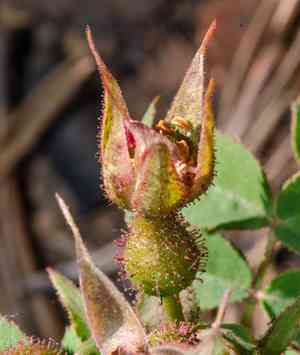
Rosa spithamea can be identified by its low-growing habit, usually less than three feet tall. Look for small, glossy green leaves with jagged edges, and clusters of pale pink to white flowers that appear in the summer months.
Scientific Classification of Ground rose
Phylum
Vascular plants
Class
Dicotyledons
Order
Rosales
Family
Rose
Genus
Roses
Species
Ground rose
Planting and Growing of Ground rose
Care Difficulty
Moderate
Watering Schedule
Every 2 days
Sunlight Requirements
Full sun
Sunshine Duration
4-6 hours
Ideal Temperature
60-75℉
Soil Type
Potting Mix, Peat Mix
Soil pH
6.5-7.5
Fertilizer Type
Balanced
Pruning Season
Spring, Summer
Pruning Area
Branches, Leaves
Pruning Frequency
2 times a year
Repotting Season
Spring
Pot Type
Plastic, Ceramic
 How to Water Ground rose?
The watering amount for Rosa spithamea should be such that the soil is thoroughly moistened, with about 500 ml each time, ensuring that water seeps deep into the root zone. This allows the plant to access moisture consistently as needed, keeping it healthy and vibrant.
What are the symptoms of an underwatered Ground rose?
›
What should I do if my Ground rose is not getting enough water?
›
What are the symptoms of an overwatered Ground rose?
›
How to save an overwatered Ground rose?
›
 What Are the Sunlight Requirements for Ground rose?
Rosa spithamea prospers under full sun or partial sun conditions, thriving with 6 to 8 hours of light. Sufficient sunlight promotes vigorous growth, enhances bloom quality, and supports robust plant health.
What is the ideal amount of sunlight?
›
How can I ensure my plant gets the ideal sunlight?
›
What are the benefits of providing ideal sunlight?
›
 What Is the Ideal Temperature Range for Ground rose?
For optimal growth of Rosa spithamea, maintaining a temperature range between 60°F to 75°F is considered ideal. This range allows for adequate physiological processes, promoting healthy foliage and abundant flowering. It's crucial to monitor environmental conditions closely to sustain this temperature bracket, ensuring the plant's successful germination and establishment.
 What Soil is Best for Ground rose?
Rosa spithamea thrives in well-draining soils, which allow excess water to escape easily. This prevents root rot, a common affliction for roses when water is allowed to sit, soaking the roots excessively. The plant benefits from moderately fertile soils rich in organic matter, which provide essential nutrients for robust growth and vibrant blooms. Compost or well-rotted manure can be added to meet these needs. Rosa spithamea prefers soils with a pH range from 6.5 to 7.5. This pH level ensures optimal nutrient availability, contributing to stronger plants and more abundant flowering.
 How to Fertilize Ground rose?
For Rosa spithamea, it's recommended to use a light hand with fertilizers. Apply liquid fertilizer at half the strength suggested on the label to avoid root burn and ensure healthy growth. Over-fertilization can be harmful.
 How to Prune Ground rose?
Start by sterilizing your pruning shears with rubbing alcohol. This prevents the spread of disease. Remove any dead, damaged, or diseased wood by cutting back to a healthy set of leaves. Prune stems that cross or rub against each other to allow better air circulation. Aim for an open vase shape to maximize sunlight penetration. Cut off spent flowers at a node above a leaflet that has at least five leaves. This not only tidies the plant but also encourages repeat blooming throughout the growing season. Be sure to angle your cuts to prevent water accumulation and minimize disease risk. Focus on removing the oldest canes at the base to promote new basal growth. New shoots will ensure the plant remains vigorous and productive. For stems that are particularly thin or weak, trim them at their point of origin to encourage hardier growth.
More About Pruning Techniques→
 How to Propagate Ground rose plant?
1
Select mature, disease-free stems from Rosa spithamea for cuttings. These should be healthy and firm, ideally taken from the mid-section of the plant to ensure optimal growth potential.
2
Use a well-draining propagation medium, such as a mixture of peat and perlite, for rooting cuttings. This medium supports moisture retention while preventing root rot, essential for cutting survival.
3
Dip the cut base of your Rosa spithamea cutting into rooting hormone and insert it into the prepared medium. Ensure that at least two nodes are buried under the surface to encourage root development.
 How to Repot Ground rose plant?
1
Rosa spithamea should be repotted when you notice the roots growing out of the drainage holes or when growth appears stunted. Spring and autumn are the best times as the plant can adjust without the stress of extreme temperatures.
2
Choose a pot that is only slightly larger than the current one, ensuring it has adequate drainage holes. A pot that's too large retains excess moisture, which can lead to root rot. Terracotta pots are a good choice as they allow the soil to breathe.
3
Opt for a soil that is well-draining to prevent waterlogging. Mixing in some perlite or sand can enhance drainage. A quality potting mix with organic matter provides essential nutrients and aeration for the roots.



