Rosa omeiensis(Rosa omeiensis)

Rosa omeiensis (Rosa omeiensis)

Also known as: Omei Rose

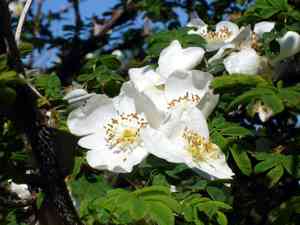
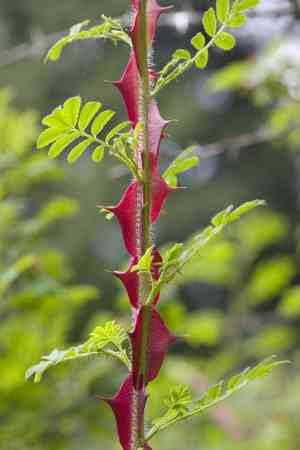
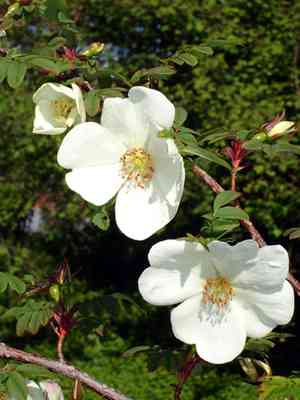
Rosa omeiensis, a wild rose species native to the mountainous areas of China, is recognized for its bushy and thorny growth habit. This deciduous shrub typically reaches heights of 2-4 meters and features distinct curved prickles on its stems. In late spring to early summer, it produces small, single flowers that are usually white or pale yellow, each with four petals, giving it a unique appearance among roses.

The plant's foliage comprises pinnate leaves, generally with 7-13 ovate and serrated leaflets, which are vibrant green and well-suited to varying light conditions. As the seasons transition into late summer and autumn, the shrub develops smooth, red rose hips that offer a striking contrast to the green leaves and attract various wildlife. In winter, Rosa omeiensis enters dormancy, shedding its leaves and preparing for the next growth cycle.

Attributes of Rosa omeiensis

Lifespan
Perennial
Plant Type
Shrub
Plant Height
2.5 m
Spread
2 m
Leaf Color
Green
Flower Size
2 to 3 centimeters
Flower Color
White

ForwardPlant - Identify plants with a snap

Identify and diagnose plants, get toxicity alerts, and explore safety guides for all types of fungi.

Try for Free

Images of Rosa omeiensis

Rosa omeiensis(Rosa omeiensis)

Quickly Identify Rosa omeiensis

1
This species can be identified by its unique, needle-like prickles on the stems, single-petaled white flowers with a yellow center, and red, bottle-shaped hips.

Scientific Classification of Rosa omeiensis

Phylum
Vascular plants
Class
Dicotyledons
Order
Rosales
Family
Rose
Genus
Roses
Species
Rosa omeiensis

Planting and Growing of Rosa omeiensis

Care Difficulty
Moderate
Watering Schedule
Every 3 days
Sunlight Requirements
Full sun
Sunshine Duration
4-6 hours
Ideal Temperature
60-75℉
Soil Type
Potting Mix, Peat Mix
Soil pH
6.5-7.5
Fertilizer Type
Balanced
Pruning Season
Spring, Summer
Pruning Area
Branches, Leaves
Pruning Frequency
2 times a year
Repotting Season
Spring
Pot Type
Ceramic, Plastic

water icon How to Water Rosa omeiensis?

For Rosa omeiensis, it is vital to provide a balanced watering regime. The soil should be thoroughly moistened but not waterlogged. Aim to provide 500 milliliters of water in a single session, making sure it percolates throughout the soil and reaches the roots effectively. This ensures the plant gets adequate hydration while minimizing the risk of root rot.
What are the symptoms of an underwatered Rosa omeiensis? ›
What should I do if my Rosa omeiensis is not getting enough water? ›
What are the symptoms of an overwatered Rosa omeiensis? ›
How to save an overwatered Rosa omeiensis? ›

sunlight icon What Are the Sunlight Requirements for Rosa omeiensis?

Sunlight Requirements: Full sun, Partial sun
Duration of light: 6 to 8 hours daily
Rosa omeiensis flourishes best under full to partial sun conditions, benefiting from a mix of direct and shaded light, which ensures strong growth, vivid blooms, and resistance to diseases.
What are the optimal lighting conditions for Rosa omeiensis? ›
How to achieve ideal lighting conditions? ›
What benefits do ideal lighting conditions provide? ›

temperature icon What Is the Ideal Temperature Range for Rosa omeiensis?

Ideal Temperature: 60 ~ 75℉
Rosa omeiensis thrives best in a temperature range between 60°F and 75°F. This range facilitates optimal growth and flowering, ensuring that the plant has adequate warmth to promote photosynthesis and energy production, while not being too hot to cause stress.

soil icon What Soil is Best for Rosa omeiensis?

Soil type: Loam, Sandy loam
Soil PH: 6.5 ~ 7.5
Rosa omeiensis thrives in well-draining soil that prevents root rot and stagnation. The presence of proper drainage channels ensures that excess water escapes, allowing the roots to breathe and absorb the necessary nutrients efficiently. The addition of organic matter, like compost, enriches the loam, encouraging robust growth and vibrant blooms. Nutrient-rich soil guarantees that Rosa omeiensis absorbs essential elements crucial for photosynthesis and growth. A mixture of sandy and loamy components provides a balanced texture that benefits root expansion and aeration. This soil texture ensures that the roots of the plant have ample space to grow, avoiding compaction and facilitating air circulation.

fertilize icon How to Fertilize Rosa omeiensis?

Fertilizer type: Balanced
For Rosa omeiensis, it is essential to apply fertilizers judiciously. During active growth, you should use a balanced liquid fertilizer diluted to half its strength. Typically, 1 tablespoon per gallon of water works well. For slow-release fertilizers, around 3-4 ounces per planting hole is suitable. This ensures plants receive nutrients without risk of burning.

prune icon How to Prune Rosa omeiensis?

Pruning Time: Spring, Summer, Autumn
Start by establishing a strong framework for your Rosa omeiensis. Cut back any overly long or crossing branches to ensure good air circulation throughout the plant. This promotes healthy growth and prevents fungal issues. Trim back side shoots to manage the size of the bush, encouraging a neat and attractive form. Aim to leave two to three buds per shoot to stimulate flowering and maintain visual balance.

propagate icon How to Propagate Rosa omeiensis plant?

Propagate Time: Late spring,Early summer
1
To propagate Rosa omeiensis from seeds, begin by collecting seeds from mature hips in autumn. Allow the seeds to dry out and store them in a cool, dry place over winter. This stratification process is crucial in breaking dormancy and ensuring good germination rates in the spring.
2
For propagation through cuttings, select healthy, disease-free stems. Cut 4 to 6-inch sections beneath a leaf node. Remove the lower leaves and dip the cut end into rooting hormone to promote root development. This preparation is key to successful rooting.
3
Plant seeds in well-draining soil or place cuttings in a soil medium. Ensure the environment is humid and warm until the cuttings root or seedlings emerge. This nurturing phase is critical; maintaining a stable, suitable environment promotes healthy growth.
More About Propagating Techniques→

repot icon How to Repot Rosa omeiensis plant?

Repotting frequency: Every 2 years
1
Rosa omeiensis should be repotted when you notice the roots becoming pot-bound, or protruding through drainage holes. This usually happens every couple of years. Repotting during spring or autumn allows the plant to recover quickly without the stress of extreme temperatures.
2
Select a new pot that is one size larger than the current one, with good drainage holes at the bottom. The slightly larger size provides enough space for root expansion and ensures better aeration, promoting healthier growth and water management.
3
Opt for a rich, well-drained potting mix that mimics the natural habitat of Rosa omeiensis. This type of soil provides the necessary nutrients and prevents waterlogging, reducing the risk of root rot and ensuring vigorous growth.

ForwardPlant - Identify plants with a snap

Find the best spots for them to optimize their health, simply using your phone.

Try for Free