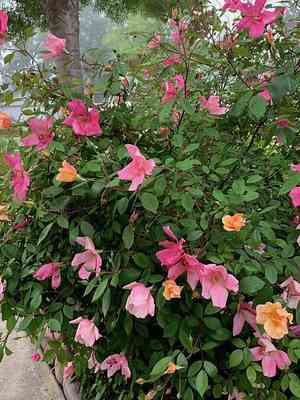
Tea rose (Rosa odorata)
Also known as: China Rose, Chinese Rose
The Tea rose (Rosa odorata) originates from Yunnan in Southwest China. It is generally viewed as a hybrid between Rosa gigantea and Rosa chinensis. Occasionally, wild varieties of this rose are grown for ornamental use. The cultivation of Tea roses in China dates back to ancient times.
In This Article
Attributes of Tea rose
Lifespan
Perennial
Plant Type
Vine, Shrub
Plant Height
1.5 m
Spread
1.2 m
Leaf Color
Green Purple
Flower Size
5 cm to 8 cm
Flower Color
Pink White Yellow Red Orange
Images of Tea rose
Quickly Identify Tea rose
1
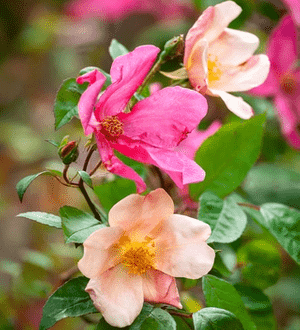
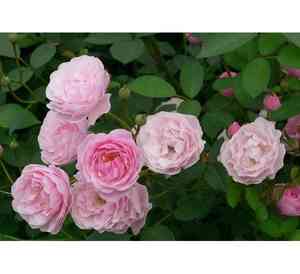
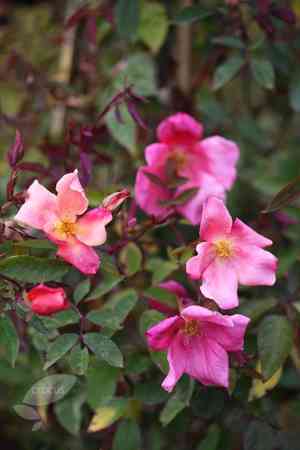
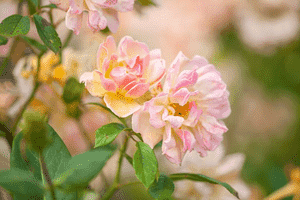
Rosa odorata can be identified by its glossy, dark green leaves and highly fragrant, loosely double flowers which appear in various shades of white, pink, and yellow. The stems have sparse, hooked thorns.
Scientific Classification of Tea rose
Phylum
Vascular plants
Class
Dicotyledons
Order
Rosales
Family
Rose
Genus
Roses
Species
Tea rose
Planting and Growing of Tea rose
Care Difficulty
Moderate
Watering Schedule
Every 6 days
Sunlight Requirements
Full sun
Sunshine Duration
6-10 hours
Ideal Temperature
60-75℉
Soil Type
Potting Mix, Peat Mix
Soil pH
6.5-7.5
Fertilizer Type
Balanced
Pruning Season
Spring, Summer
Pruning Area
Branches, Leaves
Pruning Frequency
2 times a year
Repotting Season
Spring
Pot Type
Plastic, Ceramic
 How to Water Tea rose?
Rosa odorata prefers its soil to be consistently moist but not waterlogged. Around 250 ml of water per session is recommended. Ensure the top layer of the soil is dry to touch before watering again. Water until you see it draining from the bottom of the pot, indicating the soil is thoroughly moistened.
More About Watering Techniques→
What are the symptoms of an underwatered Tea rose?
›
What should I do if my Tea rose is not getting enough water?
›
What are the symptoms of an overwatered Tea rose?
›
How to save an overwatered Tea rose?
›
 What Are the Sunlight Requirements for Tea rose?
Partial sun to full sun is ideal for Rosa odorata. This lighting range promotes optimal flowering, encouraging vibrant blooms and healthy foliage. Adequate light supports photosynthesis, essential for growth and plant health.
More About Sunlight Requirements Techniques→
What is the ideal lighting condition for Rosa odorata?
›
How to achieve the ideal sunlight for Rosa odorata?
›
What are the benefits of ideal sunlight exposure for Rosa odorata?
›
 What Is the Ideal Temperature Range for Tea rose?
The ideal temperature range for Rosa odorata is between 60°F and 75°F. This range allows for optimal growth and blooming, providing the necessary warmth without exposing the plant to excess heat that might stress it. Maintaining this temperature range encourages healthy foliage and blossoms.
 What Soil is Best for Tea rose?
Rosa odorata thrives in nutrient-rich soil that supplies essential minerals. This encourages robust growth and enhances blooming, ensuring captivating floral displays. Well-draining soil prevents waterlogging, which can lead to root rot. It ensures that the roots receive adequate oxygen, vital for healthy plant development. Maintaining consistent moisture levels keeps the plant hydrated without causing water stress. This supports constant growth and vibrant blossoms.
More About Soil→
 How to Fertilize Tea rose?
Rosa odorata requires careful attention to fertilization to achieve optimal growth. For liquid fertilizers, use approximately 1 tablespoon per gallon of water per application. For slow-release fertilizers, use about 1 pound per 100 square feet. Adjust the amount based on soil conditions and plant responses.
More About Fertilizing Techniques→
 How to Prune Tea rose?
Start by removing any dead, diseased, or damaged canes. Cut these down to the base to ensure the overall health of the plant. This helps the rose focus its energy on healthy growth. Trim the plant to maintain a uniform shape. Target crossing branches to prevent rubbing, which can provide an entry point for diseases. Aim for an open-centered shape to improve light penetration and air circulation. When making cuts, prune above an outward-facing bud. This encourages growth away from the center of the plant, helping to maintain an open structure and improve overall health.
More About Pruning Techniques→
 How to Propagate Tea rose plant?
1
Choose a healthy, non-flowering shoot from the mother plant. The optimal length of the cutting should be about 6 to 8 inches long, with at least three to five leaves on it.
2
Remove the lower leaves from the cutting to expose the nodes. These nodes will be where the new roots will form. Dip the cut end in water, then in a rooting hormone to promote growth.
3
Place the cutting in a container with well-draining potting soil. Make a hole with a pencil and insert the cutting. Firm the soil around the base to provide stability and ensure proper contact with the soil.
 How to Repot Tea rose plant?
1
Rosa odorata should be repotted when its roots fill the pot or begin to grow out of the drainage holes. Other signals include slowed growth, poor flowering, or if the soil starts drying out too quickly after watering. Early spring and autumn provide ideal conditions because the plant can focus on root establishment without the stress of extreme temperatures.
2
Select a pot that is one size larger than the current one with drainage holes to ensure proper aeration and water flow. A slightly larger pot allows room for root growth, reducing the risk of root-bound stress, enhancing overall plant health and vigor. Opt for terracotta or ceramic pots for breathability and stability in supporting the plant.
3
Opt for a well-draining loamy soil mix to provide necessary nutrients and allow proper drainage. Soil should retain some moisture while avoiding saturation that could lead to rot. Incorporating organic matter like compost will improve soil fertility and promote healthy rose growth.



