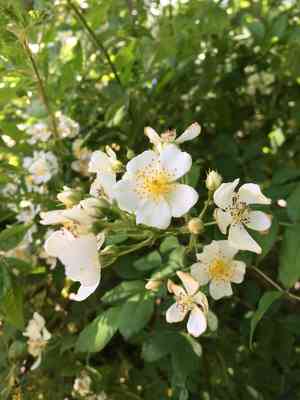
Multiflora rose (Rosa multiflora)
Also known as: Many-flowered rose, Japanese rose
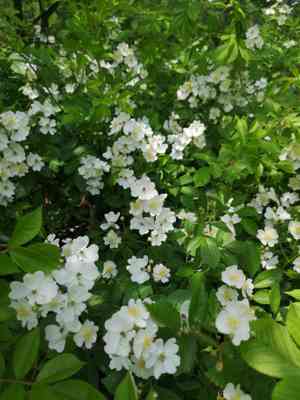
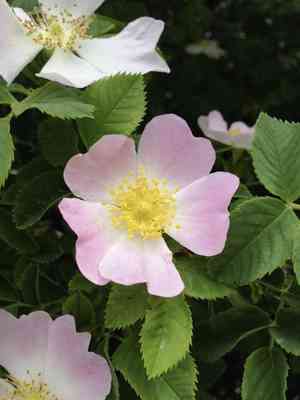
Multiflora rose (Rosa multiflora) is an ornamental climbing shrub originally from East Asia. The term 'multiflora' means 'many-flowered' and highlights the plant's tendency to produce numerous small flowers in clusters. These flowers are typically white, though some pink variants exist. In some regions, Multiflora rose is regarded as an invasive species.
In This Article
Attributes of Multiflora rose
Lifespan
Perennial
Plant Type
Shrub
Plant Height
3 m to 5 m
Spread
3 m
Leaf Color
Green
Flower Size
1.5 cm to 2 cm
Flower Color
White Pink Red
Images of Multiflora rose
Quickly Identify Multiflora rose
1
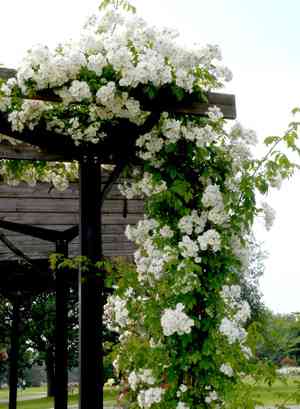
Deciduous climber reaching 10'-15' (3-4.5 m) with sharp prickles forming dense thickets.
2
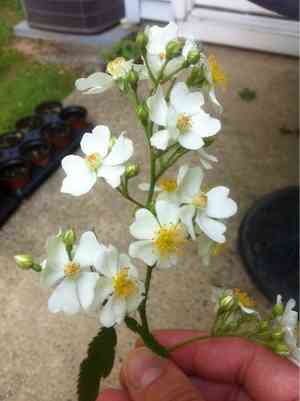
Showy, fragrant flowers with white to light pink petals, 1/2-1 inch (1.27-2.54 cm) wide.
3
Round red hips, 1/4 inch (6 mm) diameter, in clusters persisting into fall.
4
Odd-pinnate compound leaves with 5-11 ovate leaflets, serrate margins, fringed stipules.
5
Thin, flexible green to red canes with curved sharp prickles, cascading growth pattern.
Scientific Classification of Multiflora rose
Phylum
Vascular plants
Class
Dicotyledons
Order
Roses, elms, figs, and allies
Family
Rose
Genus
Roses
Species
Multiflora rose
Planting and Growing of Multiflora rose
Care Difficulty
Easy
Watering Schedule
Every 4 days
Sunlight Requirements
Full sun
Sunshine Duration
4-6 hours
Ideal Temperature
60-75℉
Soil Type
Potting Mix, Peat Mix
Soil pH
5.5-7
Fertilizer Type
Balanced
Pruning Season
Spring, Summer
Pruning Area
Branches, Leaves
Pruning Frequency
2 times a year
Repotting Season
Spring
Pot Type
Plastic, Ceramic
 How to Water Multiflora rose?
Rosa multiflora thrives when watered with approximately 500ml of water each session. The key principle for watering this plant is to ensure the soil is evenly moist without being soggy. Aim for a thorough saturation of the root zone, but avoid waterlogging to prevent root rot.
More About Watering Techniques→
What are the symptoms of an underwatered Multiflora rose?
›
What should I do if my Multiflora rose is not getting enough water?
›
What are the symptoms of an overwatered Multiflora rose?
›
How to save an overwatered Multiflora rose?
›
 What Are the Sunlight Requirements for Multiflora rose?
Rosa multiflora thrives best with a mix of full sun and partial shade, optimal for promoting vigorous growth and abundant flowering. Ideal lighting ensures balanced energy for photosynthesis, resulting in healthier, more robust plants.
More About Sunlight Requirements Techniques→
What is the best way to ensure ideal lighting for Rosa multiflora?
›
How can I adjust my garden to provide the right lighting?
›
What are the benefits of proper lighting for Rosa multiflora?
›
 What Is the Ideal Temperature Range for Multiflora rose?
The ideal temperature range for growing Rosa multiflora is between 60°F and 75°F. This range provides an optimal environment for photosynthesis, nutrient absorption, and overall growth. In these conditions, the plant can thrive and produce lush foliage and abundant flowers.
 What Soil is Best for Multiflora rose?
Rosa multiflora thrives in well-drained soil that allows water to flow freely, preventing waterlogging and root rot. This soil structure supports healthy root growth and nutrient absorption, essential for vibrant blooms. The plant prefers soil rich in organic matter, which provides the necessary nutrients for robust growth. A nutrient-dense environment encourages flower production and enhances the plant's overall vitality. While Rosa multiflora can tolerate some drought, it flourishes in consistently moist soil. Maintaining moderate moisture levels ensures steady growth and flower development throughout its blooming season.
More About Soil→
 How to Fertilize Multiflora rose?
For Rosa multiflora, the appropriate fertilization amount involves using a balanced 10-10-10 NPK fertilizer. Apply a ratio of about 1 cup per mature plant or according to the package instructions, ensuring no excess buildup in the soil. Proper measuring prevents nutrient imbalance.
More About Fertilizing Techniques→
 How to Prune Multiflora rose?
Begin by removing any dead, damaged, or diseased wood. Such branches are typically darker or brittle and need to be cut back to healthy tissue to allow for new growth. Next, identify any branches that are growing inward or crossing others. By thinning these, you ensure that sunlight and air can penetrate the center of the bush, reducing the risk of fungal infections. Trim the plant to maintain a pleasing shape. Focus on removing any excessively long or out-of-place growths to encourage a more aesthetically pleasing form that promotes balanced overall growth. If you make any large cuts, consider sealing them with a tree sealant to protect against pests and diseases. This helps ensure the plant stays healthy after pruning.
More About Pruning Techniques→
 How to Propagate Multiflora rose plant?
1
Collect seeds from mature rose hips in autumn. Clean and dry the seeds before storing them in a cool place over winter. Sow them in early spring in well-drained soil blended with compost for optimal germination.
2
Select healthy stems of Rosa multiflora for cuttings during late spring. Trim to about 6-8 inches, remove lower leaves, and dip the cut end in rooting hormone to enhance root formation.
3
Choose a flexible branch of Rosa multiflora in spring, bend it to the ground, and make a small cut on the underside where it touches the soil. Secure it with a U-shaped pin and cover with soil to encourage rooting.
 How to Repot Multiflora rose plant?
1
Rosa multiflora should be repotted when you notice that roots are circling the pot, emerging from drainage holes, or if the plant growth has become stunted. These signals indicate that the current pot no longer provides sufficient space for root expansion, thus necessitating a new container for optimal growth.
2
Select a pot that is one size larger than the current one, ensuring it has adequate drainage holes. A slightly larger pot will promote healthy growth by providing enough space for roots to spread, while drainage holes prevent waterlogging, reducing the risk of root rot. Make sure the pot material also complements your home environment for aesthetic homeliness.
3
Opt for a rich, well-draining soil mix that retains moisture yet allows for proper air circulation around the roots. This type of soil will help in preventing water from sitting at the base, thus avoiding root rot. Organic matter-rich soil will also provide essential nutrients, supporting vigorous growth and flowering.
Learn More About Multiflora rose Diseases
Anthracnose
Bacterial Leaf Spot
Black Spot
Chemical Injury
Crown Gall
Damping-off
Downy Mildew
Drought Stress
Fusarium Wilt
Gray Mold
Leaf Curl
Leaf Spot
Mosaic
Nutrient Deficiency
Nutrient Toxicity
Powdery Mildew
Root Rot
Root-knot Nematode
Rusts
Sooty Mold
Spider Mites
Temperature Stress
Thrips Damage



