
Moyes rose (Rosa moyesii)
Also known as: Shrub roses
The Moyes rose (Rosa moyesii) is known for its substantial shrub-like growth and striking red-pink flowers, making it a popular ornamental choice. This rose is appreciated not only for its vibrant blooms but also for its unique, bottle-shaped rosehips that appear in the fall, providing visual interest through autumn and winter. Additionally, the flowers and berries of the Moyes rose attract birds and butterflies, enhancing its appeal in a garden setting.
In This Article
Attributes of Moyes rose
Lifespan
Perennial
Plant Type
Shrub
Plant Height
4 m
Spread
3 m
Leaf Color
Green
Flower Size
5 cm
Flower Color
Pink Red
Images of Moyes rose

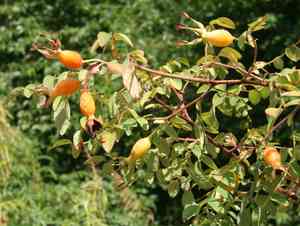
Quickly Identify Moyes rose
1
Identify Rosa moyesii by its arching growth habit, pinnate leaves with serrated margins, and its distinctive reddish flowers that have a unique, vase-like shape. The fruit (hips) are bottle-shaped and turn an attractive red color in the fall.
Scientific Classification of Moyes rose
Phylum
Vascular plants
Class
Dicotyledons
Order
Rosales
Family
Rose
Genus
Roses
Species
Moyes rose
Planting and Growing of Moyes rose
Care Difficulty
Easy
Watering Schedule
Every 4 days
Sunlight Requirements
Full sun
Sunshine Duration
6-10 hours
Ideal Temperature
60-75℉
Soil Type
Potting Mix
Soil pH
6.5-7.5
Fertilizer Type
Balanced
Pruning Season
Spring, Summer
Pruning Area
Branches, Leaves
Pruning Frequency
Once a year
Repotting Season
Spring
Pot Type
Plastic, Ceramic
 How to Water Moyes rose?
Rosa moyesii requires approximately 300 ml of water per watering session. The goal is to keep the soil consistently moist but not waterlogged. Water to a depth where the top inch of soil feels damp to the touch.
What are the symptoms of an underwatered Moyes rose?
›
What should I do if my Moyes rose is not getting enough water?
›
What are the symptoms of an overwatered Moyes rose?
›
How to save an overwatered Moyes rose?
›
 What Are the Sunlight Requirements for Moyes rose?
Rosa moyesii prefers full to partial sun, ideally receiving six to eight hours of direct light. This range supports optimal blooming and strong structural growth, enhancing its decorative appeal.
More About Sunlight Requirements Techniques→
How much direct sunlight is optimal?
›
What are effective strategies for optimal sunlight exposure?
›
What benefits can arise from sufficient light exposure?
›
 What Is the Ideal Temperature Range for Moyes rose?
For optimal growth, Rosa moyesii prefers a temperature range between 60°F and 75°F. This range supports healthy foliage, vibrant blooms, and strong overall plant structure. Staying within these temperatures ensures the plant's metabolic processes function efficiently, promoting robust growth throughout its active growing season.
 What Soil is Best for Moyes rose?
Rosa moyesii thrives in soil that provides excellent drainage, as it helps prevent root rot and other water-related issues. Sufficiently drained soil ensures that the roots receive adequate air circulation, promoting robust plant growth and health. This plant benefits from soil enriched with organic matter, which enhances nutrient availability and moisture retention. Organic matter improves soil structure, bolsters microbial activity, and supplies essential nutrients vital for Rosa moyesii’s vibrant blossoms. While Rosa moyesii requires fertile soil, it prefers a moderate nutrient level rather than overly rich soil. Balanced fertility supports steady growth and contributes to the development of healthy flowers without promoting excessive foliage overgrowth.
 How to Fertilize Moyes rose?
Rosa moyesii generally requires a balanced amount of fertilizer to thrive. For liquid fertilizers, use approximately half a gallon per plant per application. Meanwhile, for slow-release fertilizers, apply about one to two ounces around the base of each plant. This quantity ensures that the plant gets adequate nutrients without the risk of over-fertilization.
 How to Prune Moyes rose?
Rosa moyesii should not be heavily pruned. Maintain the natural arching habit of the shrub, which is a key feature of its beauty. Removing too much can reduce flowering and upset the plant's natural balance. Prune at the right time - late winter or early spring. Pruning too late can lead to the loss of flowering tips that developed the previous season. Timing is crucial for both plant health and optimal flowering. If you notice bird nests or insects, adjust your pruning to minimize disturbance. These roses can provide significant ecological value, and being mindful of wildlife during pruning can help preserve biodiversity.
More About Pruning Techniques→
 How to Propagate Moyes rose plant?
1
To propagate by seeds, collect the seeds from matured hips in autumn. Ensure the seeds undergo a stratification period over winter by planting them in trays with compost and leaving in cold conditions or refrigerating them. After stratification, sow the seeds in well-drained soil in early spring.
2
For cutting propagation, select semi-hardwood cuttings during early autumn. Use sharp pruning shears to cut 10-15cm stems just below a node. Dip in rooting hormone, and plant in a well-drained potting mix. Keep the soil moist but not waterlogged. Provide indirect sunlight conditions for optimum results.
3
Choose a flexible, young branch in spring. Partially wound it and pin it to the ground, ensuring soil contact around the wound. Cover with soil and water regularly. After roots have developed, the branch can be severed from the parent plant and potted separately.
 How to Repot Moyes rose plant?
1
Repot Rosa moyesii when its roots begin to outgrow the current container, usually indicated by roots appearing through the drainage holes or stunted growth. Spring is ideal for repotting as it coincides with the plant's active growth period, helping it adjust quickly to the new environment.
2
Choose a container that is one size larger than the existing pot, with ample drainage holes. The right pot allows the roots more space to grow and reduces the risk of waterlogging. A ceramic or clay pot can offer stability and keep the root zone cool, promoting healthier growth.
3
Opt for a well-draining garden soil mixed with compost. Such soil provides sufficient nutrients and prevents water retention. The organic matter in the compost ensures the soil remains fertile and supports robust root development, crucial for a successful transition post-repotting.



