
Cinnamon rose (Rosa majalis)
Also known as: Doubke cinnamon rose
Rosa majalis, also known as the cinnamon rose, is a deciduous shrub native to European and Siberian forests, reaching up to 2 meters in height. Its hip fruits are edible and packed with vitamin C. These fruits are utilized in various ways, including in traditional medicine and for making rose hip syrup.
In This Article
Attributes of Cinnamon rose
Lifespan
Perennial
Plant Type
Shrub
Plant Height
4-6 feet (1.2-1.8 meters)
Spread
3-5 feet (0.9-1.5 meters)
Leaf Color
Green
Flower Size
1.5-2 inches (4-5 cm)
Flower Color
Pink Black Violet
Images of Cinnamon rose
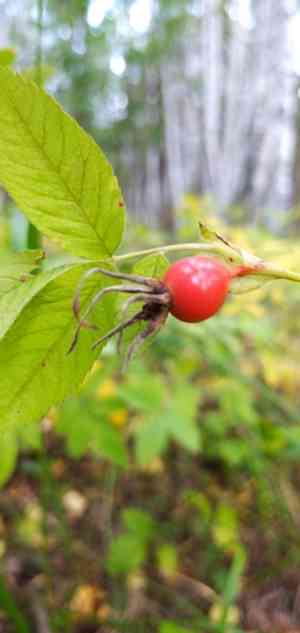
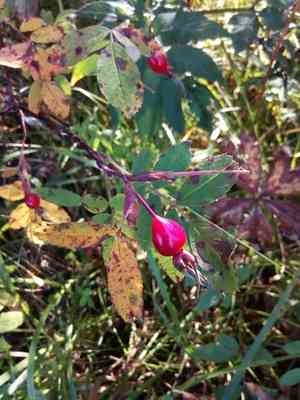
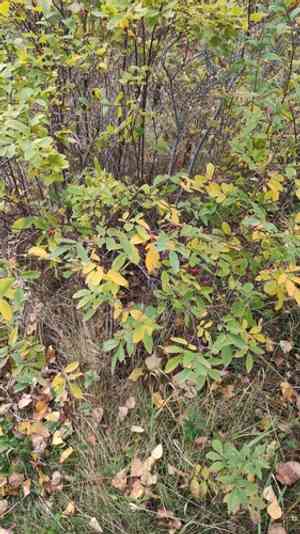
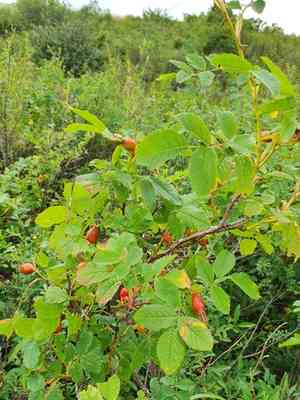
Quickly Identify Cinnamon rose
1
Rosa majalis can be identified by its pink to deep red flowers, which appear in late spring. The leaves are pinnate with 5–7 leaflets, and the stems are covered with small prickles.
Scientific Classification of Cinnamon rose
Phylum
Vascular plants
Class
Dicotyledons
Order
Rosales
Family
Rose
Genus
Roses
Species
Cinnamon rose
Planting and Growing of Cinnamon rose
Care Difficulty
Easy
Watering Schedule
Every 4 days
Sunlight Requirements
Full sun
Sunshine Duration
6-8 hours
Ideal Temperature
60-75℉
Soil Type
Potting Mix, Peat Mix
Soil pH
6-7.5
Fertilizer Type
Balanced
Pruning Season
Spring, Summer
Pruning Area
Branches, Leaves
Pruning Frequency
2 times a year
Repotting Season
Spring
Pot Type
Plastic, Ceramic
 How to Water Cinnamon rose?
For Rosa majalis, it is crucial to water deeply but infrequently, ensuring about 500 milliliters of water per session. The goal is to saturate the root zone thoroughly, but avoid water accumulation around the roots. Watery conditions can lead to root rot, so balance is key.
What are the symptoms of an underwatered Cinnamon rose?
›
What should I do if my Cinnamon rose is not getting enough water?
›
What are the symptoms of an overwatered Cinnamon rose?
›
How to save an overwatered Cinnamon rose?
›
 What Are the Sunlight Requirements for Cinnamon rose?
Rosa majalis benefits from full to partial sun. This ideal range supports strong growth, vibrant flowering, and helps maintain plant immunity against pests and diseases.
More About Sunlight Requirements Techniques→
How much sunlight does Rosa majalis need?
›
Solutions for achieving ideal light conditions
›
Benefits of ideal lighting for Rosa majalis
›
 What Is the Ideal Temperature Range for Cinnamon rose?
For optimal growth, Rosa majalis thrives best within a temperature range of 60°F to 75°F. This range allows the plant to photosynthesize efficiently and encourages healthy blooms and foliage. Maintaining this temperature range ensures the plant's cellular processes function effectively, promoting robust growth.
 What Soil is Best for Cinnamon rose?
Rosa majalis thrives in well-drained soil, which prevents waterlogging and root rot, crucial for its healthy growth. This type of soil helps maintain the right moisture balance and nutrient absorption for robust blooms. Incorporating organic compost into the soil provides essential nutrients like nitrogen, phosphorus, and potassium. This enriches the soil, supporting the vigorous growth and vibrant flowers of Rosa majalis. A good balance between sand, silt, and clay in the soil offers optimal aeration and moisture retention. This enables Rosa majalis to develop strong roots and maintain resilience against environmental stress.
 How to Fertilize Cinnamon rose?
Rosa majalis, commonly known as the cinnamon rose, requires careful nutrient management to thrive. For liquid fertilizers, a concentration of about 150 ppm nitrogen is ideal per application. You should aim for approximately 500 ml per plant, ensuring that the roots get adequate but not excessive nutrients.
 How to Prune Cinnamon rose?
Begin by sterilizing your pruning shears to prevent disease spread. First, remove any dead or damaged wood to promote plant health. Next, identify and cut back cross-branching stems that could hinder air and sunlight penetration. Trim back long, overly vigorous shoots to maintain a balanced shape and encourage new blooms. Make sure all cuts are made above outward-facing buds to ensure an open-center shrub. Finally, collect and dispose of all trimmings to reduce the risk of pest infestations.
More About Pruning Techniques→
 How to Propagate Cinnamon rose plant?
1
To propagate Rosa majalis by seeds, first collect ripe rose hips in early autumn. Once dried, extract the seeds and stratify them by storing in a moist, cold environment for several weeks, simulating natural winter conditions.
2
For cutting propagation, select semi-hardwood cuttings in early summer. Cut about 6 inches, dip the base of the cutting in rooting hormone, and plant them in a well-draining soil mix, maintaining high humidity.
3
To propagate through layering, select a low, flexible branch and gently bend it to the ground. Bury part of the branch under soil while leaving the tip exposed. Roots will develop over the growing season, and the new plant can be separated the following year.
 How to Repot Cinnamon rose plant?
1
Rosa majalis needs repotting when its roots begin peaking through drainage holes or it starts to look top-heavy and unstable. Repotting is best done in early spring or autumn when the plant is not in active bloom. These seasons allow the plant to settle in without the stress of intense heat or cold, helping it focus energy on root establishment.
2
Select a pot that is 2-3 inches larger in diameter than the current one. This gives Rosa majalis room for root expansion without overwhelming it with too much space. A ceramic or terracotta pot is ideal, as these materials allow the roots to breathe, preventing root rot and ensuring a healthy plant.
3
Opt for a loamy, well-draining soil mix to support Rosa majalis. This type of soil retains the necessary moisture while preventing waterlogging, which can lead to root rot. Enrich the soil with organic matter to ensure it provides sufficient nutrients to support growth.
Learn More About Cinnamon rose Diseases
Anthracnose
Bacterial Leaf Spot
Black Spot
Chemical Injury
Crown Gall
Damping-off
Downy Mildew
Drought Stress
Fusarium Wilt
Gray Mold
Leaf Curl
Leaf Spot
Mosaic
Nutrient Deficiency
Nutrient Toxicity
Powdery Mildew
Root Rot
Root-knot Nematode
Rusts
Sooty Mold
Spider Mites
Temperature Stress
Thrips Damage
White Mold



