Memorial rose (Rosa luciae)
Also known as: rosa, lucia rose, mermaid rose
The Multiflora Rose (*Rosa multiflora*) is a deciduous shrub native to East Asia and considered invasive in North America. During the summer, it blooms with numerous single, five-petaled white flowers featuring yellow stamens. Later in the season, it develops small red hips. This plant commonly thrives in disturbed areas, meadows, and fields.
In This Article
Attributes of Memorial rose
Lifespan
Perennial
Plant Type
Vine, Shrub
Plant Height
3 m to 5 m
Spread
1.8 m to 4.5 m
Leaf Color
Dark green
Flower Size
5 cm
Flower Color
White Pink Purple Red
Images of Memorial rose


Quickly Identify Memorial rose
1
Rosa luciae can be identified by its sprawling, thorny canes and glossy, dark green leaves, which are typically pinnate with 5 to 7 leaflets. The flowers are single, about 5 cm in diameter, with five petals that are white or pale pink. The plant also produces small, red hips.
Scientific Classification of Memorial rose
Phylum
Vascular plants
Class
Dicotyledons
Order
Rosales
Family
Rose
Genus
Roses
Species
Memorial rose
Planting and Growing of Memorial rose
Care Difficulty
Easy
Watering Schedule
Every 5 days
Sunlight Requirements
Full sun
Sunshine Duration
4-6 hours
Ideal Temperature
60-75℉
Soil Type
Potting Mix, Peat Mix
Soil pH
6-7.5
Fertilizer Type
Balanced
Pruning Season
Spring, Summer
Pruning Area
Branches, Leaves
Pruning Frequency
2 times a year
Repotting Season
Spring
Pot Type
Plastic, Ceramic
 How to Water Memorial rose?
For Rosa luciae, the watering should be deep enough to moisten the entire root zone. This equates to roughly 500 ml of water per session, depending on the soil drainage and environmental conditions. The goal is to keep the soil consistently moist without causing waterlogged conditions.
What are the symptoms of an underwatered Memorial rose?
›
What should I do if my Memorial rose is not getting enough water?
›
What are the symptoms of an overwatered Memorial rose?
›
How to save an overwatered Memorial rose?
›
 What Are the Sunlight Requirements for Memorial rose?
Rosa luciae requires a light range of full sun to partial sun. Ideal conditions result in enhanced flowering, vibrancy in foliage, and overall robustness.
More About Sunlight Requirements Techniques→
What is the ideal sunlight exposure for Rosa luciae?
›
How does partial sun exposure affect Rosa luciae?
›
Can Rosa luciae tolerate any shade?
›
 What Is the Ideal Temperature Range for Memorial rose?
Rosa luciae thrives best under specific temperature conditions ranging from 60°F to 75°F. This range provides the optimal environment for metabolic processes and flowering, ensuring the plant achieves its full potential in both growth and bloom.
 What Soil is Best for Memorial rose?
Rosa luciae requires soil that offers excellent drainage. This prevents waterlogging which can cause root rot, ensuring the roots have access to oxygen and nutrients for optimal growth. Nutrient-rich soil is essential for Rosa luciae as it provides the necessary elements like nitrogen, phosphorus, and potassium, which contribute to strong stem development, lush foliage, and vibrant blooms. While draining well, the soil should also have moisture retention properties. This balanced approach supports the plant's hydration needs without drowning the roots, maintaining consistent moisture levels.
 How to Fertilize Memorial rose?
For Rosa luciae, use a balanced fertilizer with an N-P-K ratio of 5-5-5 at a rate of approximately 10 grams per square meter. Be sure to water the plant well after applying to prevent root burn. Avoid over-fertilizing, as this can lead to excessive leaf growth with fewer flowers.
 How to Prune Memorial rose?
Start by identifying any dead or damaged stems. These should be removed first to prevent disease. Dead wood is typically darker and can be brittle to the touch. Make cuts at a 45-degree angle, about 1/4 inch above an outward-facing bud. This promotes healthy new growth and directs water away from the cut, reducing the risk of rot. Branches that cross or rub against each other should be removed. This prevents wounds which could become entry points for infections and also allows better sunlight and air penetration. Open up the center of the bush by removing some of the older canes. This improves airflow and allows light to reach all parts of the plant, reducing the risk of fungal diseases.
More About Pruning Techniques→
 How to Propagate Memorial rose plant?
1
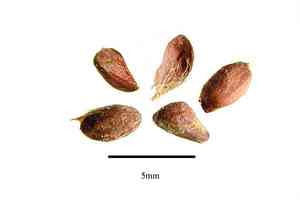
Collect seeds from mature Rose luciae plants when the hips turn red and allow them to dry before storing them in a cool, dry place until planting season. Stratification, a cold treatment process, may be necessary before sowing to break seed dormancy.
2
Choose healthy stems and cut them into sections about 6-8 inches long. Remove the lower leaves and dip the cut end into rooting hormone before planting in a pot filled with a well-draining soil mix.
3
Select a healthy rootstock and make a T-shaped cut. Insert a bud from another Rose luciae plant and secure it with grafting tape. Ensure proper alignment for successful graft union development.
 How to Repot Memorial rose plant?
1
Rosa luciae should be repotted in early spring when the roots outgrow the current pot, or when the soil becomes compacted. Signs include slow growth, root circling at the pot's edge, or water pooling on the surface.
2
Select a pot that is one or two sizes larger to allow room for root growth. Opt for a pot with drainage holes to prevent waterlogging. This ensures proper aeration, promoting strong root development and preventing root rot.
3
Choose a well-draining potting mix rich in organic matter to ensure good aeration and moisture retention. The right soil mix promotes healthy nutrient uptake and robust growth, reducing the risk of overwatering.



