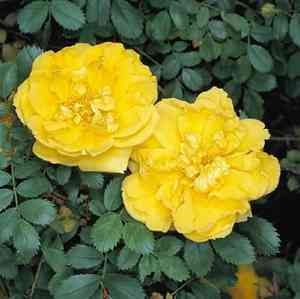
Austrian brier (Rosa foetida)
Also known as: Austrian copper rose
The Austrian brier (Rosa foetida) is a robust, deciduous shrub that typically reaches heights of 3 to 8 feet. It features gray stems adorned with curved thorns. In spring, it produces abundant clusters of vibrant yellow flowers, resembling traditional roses. This shrub thrives best in full sunlight and prefers moist, well-drained soil. While it is relatively drought-tolerant once established, regular fertilization and watering during dry spells can enhance its growth and blooming. Pruning after the flowering season helps maintain its shape and promotes healthy new growth.
In This Article
Attributes of Austrian brier
Lifespan
Perennial
Plant Type
Shrub
Plant Height
1.8 m
Spread
1.5 m
Leaf Color
Green Blue
Flower Size
5 cm
Flower Color
Yellow Red Orange
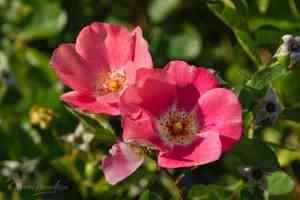
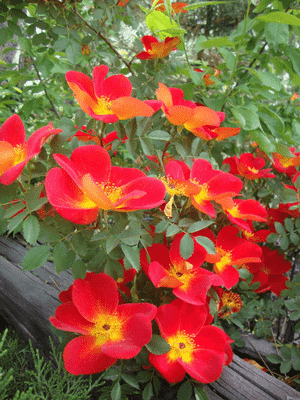
Images of Austrian brier


Quickly Identify Austrian brier
1
Rosa foetida can be identified by its striking yellow or copper-colored flowers, which are about 4-5 cm in diameter. The plant has thorny stems and pinnate leaves with usually five oval leaflets that have a somewhat rough texture.
Scientific Classification of Austrian brier
Phylum
Vascular plants
Class
Dicotyledons
Order
Rosales
Family
Rose
Genus
Roses
Species
Austrian brier
Planting and Growing of Austrian brier
Care Difficulty
Easy
Watering Schedule
Every 2 days
Sunlight Requirements
Full sun
Sunshine Duration
4-6 hours
Ideal Temperature
60-75℉
Soil Type
Potting Mix, Peat Mix
Soil pH
6.5-7.5
Fertilizer Type
Balanced
Pruning Season
Spring, Summer
Pruning Area
Branches, Leaves
Pruning Frequency
2 times a year
Repotting Season
Spring
Pot Type
Plastic, Terracotta
 How to Water Austrian brier?
Rosa foetida requires a balanced watering approach. It's crucial to moisten the soil thoroughly, ensuring excess water drains well. Aim for about 500ml per session. This allows the roots to absorb adequate moisture without causing waterlogging, promoting healthy growth.
What are the symptoms of an underwatered Austrian brier?
›
What should I do if my Austrian brier is not getting enough water?
›
What are the symptoms of an overwatered Austrian brier?
›
How to save an overwatered Austrian brier?
›
 What Are the Sunlight Requirements for Austrian brier?
Rosa foetida flourishes best under full sun to partial sun conditions, ideally in 6 to 8 hours of sunlight. Adequate lighting encourages optimal blooming and plant robustness.
More About Sunlight Requirements Techniques→
How much sunlight does Rosa foetida need?
›
What are the solutions if optimal sunlight is not available?
›
What are the benefits of providing ideal lighting to Rosa foetida?
›
 What Is the Ideal Temperature Range for Austrian brier?
The ideal temperature range for Rosa foetida is between 60°F and 75°F. This range is optimal because it allows the plant to photosynthesize efficiently and carry out all metabolic processes necessary for healthy growth and flowering. Maintaining temperatures within this range also helps prevent stress that could lead to disease or pest infestations.
 What Soil is Best for Austrian brier?
Rosa foetida thrives in well-drained soil to prevent waterlogging, which can lead to root rot. This type of soil structure ensures excess water drains away quickly, keeping the roots healthy and promoting robust plant growth. Nutrient-rich soil provides the essential elements like nitrogen, phosphorus, and potassium necessary for the vibrant growth and hardy structure of Rosa foetida, ensuring it blooms brilliantly throughout its life. Soil with moderate moisture retention keeps Rosa foetida hydrated without the risk of drowning its roots. This balance is critical as it maintains soil moisture consistency, essential for optimal growth and flower production.
 How to Fertilize Austrian brier?
The amount of fertilizer required by Rosa foetida is quite moderate. It benefits from a balanced 5-10-5 fertilizer. For liquid fertilizers, use 10 ml per plant diluted in 1 liter of water. For slow-release fertilizers, follow the manufacturer's instructions but aim for about 50 grams per plant annually.
 How to Prune Austrian brier?
In early spring, before the plant begins active growth, trim away dead or damaged branches to encourage healthy new growth. This allows the rose bush to focus its energy on producing beautiful flowers. During summer, lightly trim back any overgrown stems. This not only maintains the bush's shape but also encourages a second wave of blooming. In autumn, remove any fallen leaves and flowers to reduce the risk of diseases overwintering. This practice preps your roses for the colder months and a vigorous spring return.
More About Pruning Techniques→
 How to Propagate Austrian brier plant?
1
To propagate using seeds, first collect ripe seeds from a healthy Rosa foetida plant. Clean the seeds thoroughly to remove any pulp and let them dry out before storage or planting, which helps to prevent mold and increases the likelihood of germination.
2
Select a healthy stem from the Rosa foetida plant and cut a 6-8 inch piece using sterilized pruning shears. Remove any leaves from the lower half of the cutting. Dip the cut end into rooting hormone before planting it into pre-prepared soil or a suitable rooting medium.
3
For grafting, choose a strong rootstock and a healthy scion from Rosa foetida. Use a clean knife to make compatible cuts on both pieces. Align the cambium layers and secure them together with grafting tape or rubber bands. Keep the grafted plant in a controlled environment until the union is stable.
 How to Repot Austrian brier plant?
1
Rosa foetida should be repotted when you notice the roots are becoming bound or when they start growing out of the pot's drainage holes. Another sign is when the soil no longer retains moisture properly and dries out too quickly. Early spring is the best time to repot, as the plant will soon enter its active growth phase.
2
Select a pot that is one size larger than the current one, ensuring it has adequate drainage holes. A slightly larger pot will provide enough room for root expansion, reducing the risk of root rot and promoting healthy growth. Terracotta pots are ideal as they allow the soil to 'breathe', preventing excess moisture build-up.
3
Rosa foetida thrives in well-draining, loamy soil because it ensures good aeration while retaining enough moisture for root uptake. Avoid heavy or clayey soils, which can lead to waterlogging. Enrich with compost for added nutrition, fostering robust and vibrant blooms.



