
Rosa ecae (Rosa ecae)
Also known as: Yellow Rose, Afghan Rose
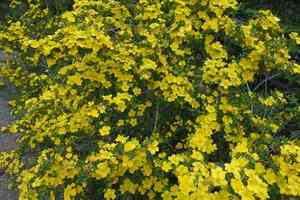
Rosa ecae is a notable shrub distinguished by its vibrant, yellow flowers that usually feature a single layer of petals, lending a delicate charm. Adapted to survive in rocky and arid conditions, this shrub showcases hardy traits such as an abundance of small, bristly thorns on its slender, arching branches, which help deter herbivores and offer protection. Its ability to withstand drought and thrive in challenging environments highlights its resilience and makes it a valuable plant for tough landscapes.
In This Article
Attributes of Rosa ecae
Lifespan
Perennial
Plant Height
1 to 2 meters
Spread
Up to 1.5 meters
Leaf Color
Green
Flower Size
4 to 5 centimeters
Flower Color
Yellow
Images of Rosa ecae

Quickly Identify Rosa ecae
1
This rose can be identified by its bright yellow flowers, which have a unique, spicy fragrance. The leaves are pinnate with five to seven leaflets. The stems are thorny and the plant has a bushy, somewhat sprawling habit.
Scientific Classification of Rosa ecae
Phylum
Vascular plants
Class
Dicotyledons
Order
Rosales
Family
Rose
Genus
Roses
Species
Rosa ecae
Planting and Growing of Rosa ecae
Care Difficulty
Moderate
Watering Schedule
Every 4 days
Sunlight Requirements
Full sun
Sunshine Duration
6-10 hours
Ideal Temperature
60-70℉
Soil Type
Potting Mix, Peat Mix
Soil pH
6-7.5
Fertilizer Type
Balanced
Pruning Season
Spring, Summer
Pruning Area
Branches, Leaves
Pruning Frequency
2 times a year
Repotting Season
Spring
Pot Type
Plastic, Ceramic
 How to Water Rosa ecae?
The watering amount for Rosa ecae follows a simple rule: keep the soil moist but not soggy. Each watering session should deliver approximately 500 milliliters of water, ensuring that it reaches the root zone adequately without pooling at the base. This encourages healthy root growth and prevents waterlogging, which can lead to root rot.
What are the symptoms of an underwatered Rosa ecae?
›
What should I do if my Rosa ecae is not getting enough water?
›
What are the symptoms of an overwatered Rosa ecae?
›
How to save an overwatered Rosa ecae?
›
 What Are the Sunlight Requirements for Rosa ecae?
Rosa ecae thrives in full sun conditions. Ensuring 6-8 hours of direct sunlight encourages vigorous growth, abundant blooming, and disease resistance, making it an esteemed garden presence.
Solution
›
Specific Measures
›
Achieved Effects
›
 What Is the Ideal Temperature Range for Rosa ecae?
The ideal temperature range for Rosa ecae cultivation is between 60°F and 70°F. This range ensures optimal growth and flowering. In this range, Rosa ecae can efficiently photosynthesize, producing enough energy to support its development and blooming phases. Moreover, it helps prevent stress-related issues that might otherwise hinder the plant's growth.
 What Soil is Best for Rosa ecae?
Rosa ecae thrives best in well-drained soil. Adequate drainage prevents waterlogging, reducing the risk of root rot and allowing roots to breathe freely. This setup ensures vigorous growth and abundant blooming. This rose species benefits from soil enriched with organic matter. Nutrient-rich soils support robust growth, enhancing foliage and flower quality by providing essential nutrients for plant metabolism. While requiring good drainage, Rosa ecae also prefers soils that retain adequate moisture to meet its hydration needs. This balance supports healthy flowering cycles and overall plant vitality.
 How to Fertilize Rosa ecae?
When applying fertilizer to Rosa ecae, ensure you use a balanced mix. For liquid fertilizers, a solution of 20-20-20 is effective, mixing at the label-recommended dilution rate. Use around 1 gallon of diluted solution per plant for mature roses. For slow-release formulas, follow the manufacturer’s guidelines, typically distributing a handful (around 50 grams) per plant, ensuring it covers the root zone evenly.
 How to Prune Rosa ecae?
Start by removing dead, damaged, or diseased wood. Cut back to healthy, outward-facing buds to encourage open, vase-like growth. This shape allows light and air to reach the plant's center, reducing disease risk. For older shrubs, remove a few of the oldest canes to rejuvenate the plant. If Rosa ecae has become unruly or less productive, undertake rejuvenation pruning. Cut back up to one-third of the oldest stems to the base to encourage new, vigorous growth. This promotes flowering while keeping the shrub healthy and manageable.
 How to Propagate Rosa ecae plant?
1
Choose seeds that are well-formed and free from visible damage. Healthy seeds increase the chance of successful germination and lead to vigorous plants. It's crucial to start with the best quality seeds for optimal results.
2
Use a well-draining potting mix suitable for roses. A balanced medium with good moisture retention while preventing waterlogging ensures that cutting or seedlings root effectively and develop robustly.
3
Plant seeds at the recommended depth and space them according to guidelines to avoid competition for resources. Water gently to keep the soil moist but not saturated, giving seeds a suitable environment to sprout.
 How to Repot Rosa ecae plant?
1
Rosa ecae signals it's time for repotting when roots start emerging from the drainage holes or the plant becomes top-heavy. The best time to repot is during early spring, as this gives the plant ample time to recover and establish before the active growing season.
2
Select a pot that is one size larger than the current one with excellent drainage. The slightly larger pot encourages root growth without overwhelming the plant, while good drainage prevents waterlogging, which Rosa ecae dislikes.
3
Opt for a well-draining loamy soil mix that ensures adequate aeration and retains just the right amount of moisture. This type of soil prevents root rot and supports healthy growth, helping the plant absorb nutrients effectively.
Learn More About Rosa ecae Diseases
Anthracnose
Bacterial Leaf Spot
Black Spot
Chemical Injury
Crown Gall
Damping-off
Downy Mildew
Drought Stress
Fusarium Wilt
Gray Mold
Leaf Curl
Leaf Spot
Mosaic
Nutrient Deficiency
Nutrient Toxicity
Powdery Mildew
Root Rot
Root-knot Nematode
Rusts
Sooty Mold
Spider Mites
Temperature Stress
Thrips Damage



