
Field briar (Rosa agrestis)
Also known as: Wild Rose, Scrub Rose
The rose is an aromatic flowering plant frequently used for cut flowers. This eye-catching deciduous shrub flourishes in calcareous soils. Roses, known for their thorny stems, are also highly attractive to bees.
In This Article
Attributes of Field briar
Lifespan
Perennial
Plant Type
Shrub
Plant Height
2.5 m to 3 m
Spread
1.8 m to 2.5 m
Leaf Color
Green
Flower Size
5 cm
Flower Color
White Pink Purple
Images of Field briar
Quickly Identify Field briar
1
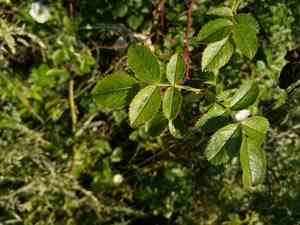
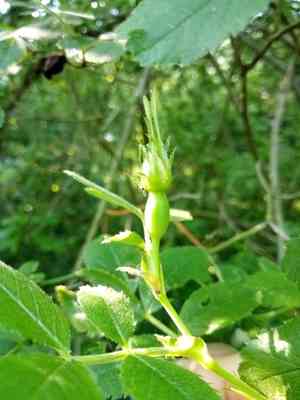
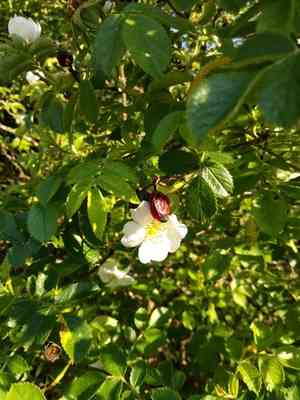
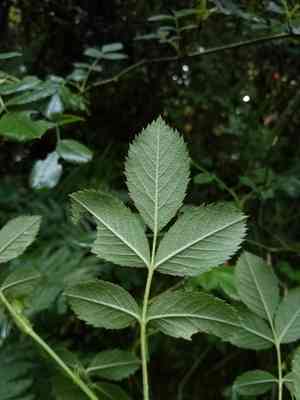
Rosa agrestis can be identified by its thorny stems, pinnate leaves with five to seven serrated leaflets, and simple white to pink flowers that bloom in the summer. The fruits, known as hips, are typically red or orange.
Scientific Classification of Field briar
Phylum
Vascular plants
Class
Dicotyledons
Order
Rosales
Family
Rose
Genus
Roses
Species
Field briar
Planting and Growing of Field briar
Care Difficulty
Easy
Watering Schedule
Every 3 days
Sunlight Requirements
Full sun
Sunshine Duration
4-8 hours
Ideal Temperature
60-75℉
Soil Type
Potting Mix, Peat Mix
Soil pH
6.5-7.5
Fertilizer Type
Balanced
Pruning Season
Spring, Summer
Pruning Area
Branches, Leaves
Pruning Frequency
2 times a year
Repotting Season
Spring
Pot Type
Plastic, Ceramic
 How to Water Field briar?
Rosa agrestis thrives with around 500 ml of water per session. The key is to ensure the soil is evenly moist but not soggy. This plant prefers its roots to be hydrated but not drowning in water, which can cause root rot.
What are the symptoms of an underwatered Field briar?
›
What should I do if my Field briar is not getting enough water?
›
What are the symptoms of an overwatered Field briar?
›
How to save an overwatered Field briar?
›
 What Are the Sunlight Requirements for Field briar?
Ideal lighting for Rosa agrestis is full sun to partial sun. Optimal light conditions promote healthy growth, encourage blooming, and maintain plant vitality and vigor.
More About Sunlight Requirements Techniques→
What is the ideal sunlight exposure for Rosa agrestis?
›
How can I ensure Rosa agrestis receives ideal lighting?
›
What benefits does ideal lighting provide Rosa agrestis?
›
 What Is the Ideal Temperature Range for Field briar?
Rosa agrestis thrives best in temperatures between 60°F and 75°F. This range provides the warmth needed for optimal photosynthesis and energy production. Growth is most vigorous in this range due to balanced enzyme activity and physiological processes.
 What Soil is Best for Field briar?
Rosa agrestis thrives in well-draining soil, helping prevent root rot caused by excess moisture. This allows roots to access oxygen, fostering robust growth and flowering. It requires nutrient-rich soil to support its vibrant blooms. Incorporating organic matter, like compost, boosts soil fertility and enhances the plant's overall health and performance. Maintaining moderate soil moisture is essential. Overly dry or soggy conditions can stress Rosa agrestis, so aim for soil that retains moisture without waterlogging.
 How to Fertilize Field briar?
Rosa agrestis typically requires light to moderate fertilization. Use a balanced, water-soluble fertilizer at half strength for liquid applications. For granular types, apply about 1 to 2 tablespoons per plant, spread evenly around the root zone.
 How to Prune Field briar?
Begin by removing any dead or dying branches as they can inhibit growth. Cut branches at a 45-degree angle about 1/4 inch above a healthy outward-facing bud or leaf. This encourages robust growth and an open structure for better air circulation. Thin out overgrown areas to improve light penetration and air circulation within the bush. Focus on the center of the plant, removing any crossing branches which could rub against each other and cause wounds. This step helps in preventing fungal infections and keeps the plant tidy. Shape the plant based on your garden design preference. Keep the top slightly narrower than the bottom to allow sunlight to reach all the foliage, ensuring even growth. This aesthetic touch not only beautifies your garden but also promotes a healthier plant.
More About Pruning Techniques→
 How to Propagate Field briar plant?
1
Choosing a disease-free and vigorous parent plant is crucial for successful propagation. Look for plants with strong growth, no signs of pests, and robust stems or seeds.
2
Use a well-draining soil mix that retains moisture but does not become waterlogged. A mix of sand, peat, and perlite is often recommended for propagation.
3
Ensure that cuttings are planted at a depth that supports stability while seeds should be lightly covered with soil. Both need to be watered lightly to establish initial moisture.
 How to Repot Field briar plant?
1
Repotting is necessary when Rosa agrestis shows signs of being rootbound, such as roots emerging from the drainage holes or slow growth. Spring and autumn are ideal times as the plant is not in flower and can recover quickly.
2
Choose a pot that is one size larger than the current one with ample drainage holes. A slightly larger pot encourages healthy root growth and prevents waterlogging, which can cause root rot in Rosa agrestis.
3
Select a well-draining loamy soil mix enriched with organic matter. This type of soil ensures adequate drainage and aeration while providing the essential nutrients for the thriving growth of Rosa agrestis.



