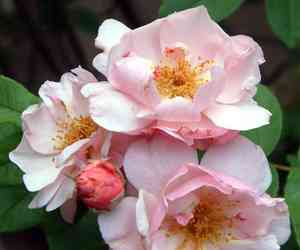
Alpine rose (Rosa abietina)
Also known as: Alpine rose
Rosa abietina, a species of rose, was first defined and described by Jean Charles Marie Grenier. This species falls under the Rosaceae family and is a part of the Rosa genus.
In This Article
Images of Alpine rose
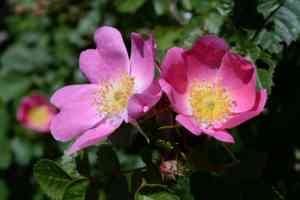
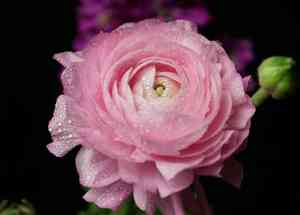
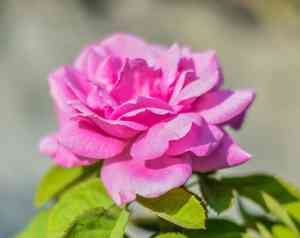
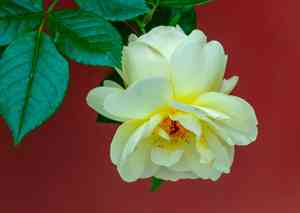
Scientific Classification of Alpine rose
Phylum
Magnoliophyta
Class
Magnoliopsida
Order
Rosales
Family
Rosaceae
Genus
Rosa
Species
R. abietina
Planting and Growing of Alpine rose
Care Difficulty
Moderate
Watering Schedule
Every 2 days
Sunlight Requirements
Partial sun
Sunshine Duration
6-12 hours
Ideal Temperature
60-75℉
Soil Type
Potting Mix, Peat Mix
Soil pH
6.5-7.5
Fertilizer Type
Balanced
Pruning Season
Spring, Summer
Pruning Area
Branches, Leaves
Pruning Frequency
2 times a year
Repotting Season
Spring
Pot Type
Plastic, Ceramic
 How to Water Alpine rose?
For Rosa abietina, the watering amount should be sufficient to moisten the entire root zone, approximately 500ml each time. The soil should be consistently moist but not soggy, ensuring water penetrates deeply without pooling on the surface. Follow the principle of soaking the soil and allowing it to drain, mimicking light, steady rainfall.
What are the symptoms of an underwatered Alpine rose?
›
What should I do if my Alpine rose is not getting enough water?
›
What are the symptoms of an overwatered Alpine rose?
›
How to save an overwatered Alpine rose?
›
 What Are the Sunlight Requirements for Alpine rose?
Partial sun offers an ideal environment, ensuring it gets enough sun for photosynthesis and flower production while avoiding the harshness of full sun. This balance promotes strong blooms and vibrant health.
What are the best lighting conditions for Rosa abietina?
›
How can I achieve these lighting conditions?
›
What are the benefits of ideal lighting for Rosa abietina?
›
 What Is the Ideal Temperature Range for Alpine rose?
The ideal temperature range for Rosa abietina lies between 60°F and 75°F. In this range, the plant thrives best, enabling effective growth and flowering. Maintaining this temperature ensures optimal metabolic processes and vitality of the plant.
 What Soil is Best for Alpine rose?
Rosa abietina thrives in well-drained soils that prevent waterlogging and root rot. Good drainage allows roots to access oxygen, essential for healthy growth and flower production. Implementing adequate soil drainage ensures optimal plant vitality and blooms. This plant benefits from soils rich in essential nutrients like nitrogen, phosphorus, and potassium. These nutrients support vigorous growth and abundant flowering, contributing to the plant's aesthetic and resilience. Rosa abietina performs best in soils that retain moisture while not staying waterlogged. This balance ensures the roots are consistently hydrated without risk of fungal diseases or decay, promoting robust plant health.
 How to Fertilize Alpine rose?
For Rosa abietina, it is generally recommended to apply approximately 1/4 cup of balanced granular fertilizer per plant per feeding. Be cautious to avoid over-fertilizing, as this can lead to nutrient burn. Adjust the amount slightly based on the size and age of the plant.
 How to Prune Alpine rose?
Before starting, ensure you have clean, sharp pruning shears. Disinfect them with rubbing alcohol or bleach solution to prevent the spread of diseases. A pair of sturdy gloves will protect your hands from thorns. Begin by assessing the current shape of your Rosa abietina. Aim to create an open center by trimming back branches that grow inward or weakly. This encourages better air circulation and sunlight penetration. Inspect the plant for any dead or discolored branches. Cut these off at the base to prevent rot and disease spread, using a clean-cut to avoid damage to remaining healthy tissue. Trim the plant to encourage blooming by cutting back longer branches by a third. Focus on cutting above a healthy bud to promote new growth and vibrant flowers.
 How to Propagate Alpine rose plant?
1
Choose healthy stems from the Rosa abietina plant, ideally those that are non-flowering and disease-free. Cut the stems at a 45-degree angle to maximize the surface area for root development.
2
Prepare a well-draining potting mix that provides aeration to support root growth. A mix of perlite and peat moss is often effective in preventing overwatering issues.
3
Dip the cut end of the stem in rooting hormone and gently plant it into the prepared potting medium. Ensure the cutting is firmly positioned to remain upright and stable.
 How to Repot Alpine rose plant?
1
Rosa abietina should be repotted when you notice sluggish growth, roots emerging from the pot's drainage holes, or when water takes longer to drain. These are signs that the roots need more space and fresh nutrients available.
2
Select a pot that is one to two inches larger in diameter than the current one. It should have sufficient drainage holes to prevent waterlogging. This size allows the roots to expand without risking overwatering, promoting healthy growth.
3
Opt for well-draining loamy soil. This type of soil retains enough moisture to keep the plant hydrated, yet drains excess water efficiently, thus preventing root rot and fostering robust growth conditions for your Rosa abietina.
Learn More About Alpine rose Diseases
Anthracnose
Bacterial Leaf Spot
Black Spot
Chemical Injury
Crown Gall
Drought Stress
Downy Mildew
Fusarium Wilt
Gray Mold
Leaf Curl
Leaf Spot
Mosaic
Nutrient Deficiency
Nutrient Toxicity
Powdery Mildew
Root Rot
Root-knot Nematode
Rusts
Sooty Mold
Spider Mites
Temperature Stress
Thrips Damage
White Mold



