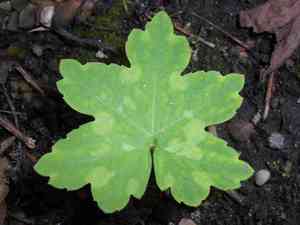
California mistmaiden (Romanzoffia californica)
Also known as: California Mist-maid, Snow-mesemb
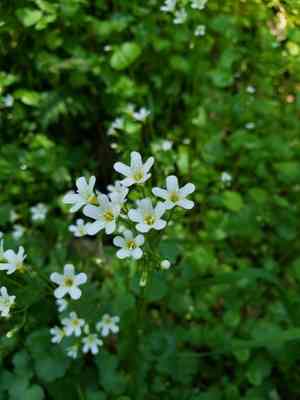
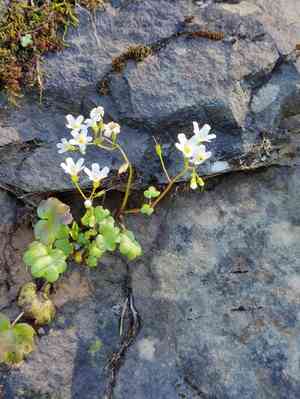
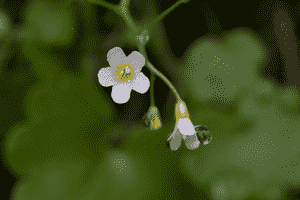
Romanzoffia californica can reach up to 40 centimeters (16 inches) in height, emerging from a network of hairy brown tubers. At the base, it features several leaves with rounded, lobed blades on petioles that are a few centimeters in length. The plant's inflorescence is a curving cluster of flowers, each borne on a short, upright pedicel. Its funnel-shaped corolla, just over 1 centimeter long, is white with a yellow throat and is enclosed by pointed sepals. The fruit is a capsule measuring up to 1 centimeter in length.
In This Article
Attributes of California mistmaiden
Lifespan
Perennial
Plant Type
Herb
Plant Height
3-8 inches (7.5-20 cm)
Spread
Varies, generally a few inches wide
Leaf Color
Green
Flower Size
Approximately 0.2-0.4 inches (5-10 mm)
Flower Color
White Yellow Green
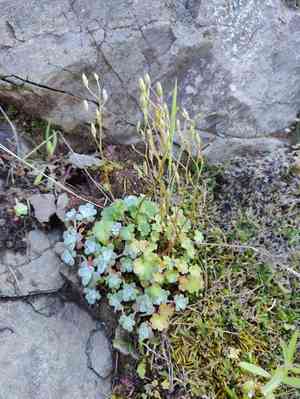
Images of California mistmaiden
Quickly Identify California mistmaiden
1
Identify Romanzoffia californica by its compact, low-growing habit, rounded or kidney-shaped leaves, and clusters of small, white to light lavender tubular flowers with five lobes.
Scientific Classification of California mistmaiden
Phylum
Vascular plants
Class
Dicotyledons
Order
Boraginales
Family
Waterleaf
Genus
Romanzoffia
Species
California mistmaiden
Planting and Growing of California mistmaiden
Care Difficulty
Moderate
Watering Schedule
Every 4 days
Sunlight Requirements
Partial sun
Sunshine Duration
4-8 hours
Ideal Temperature
60-70℉
Soil Type
Potting Mix, Peat Mix
Soil pH
5.5-7.5
Fertilizer Type
Balanced
Pruning Season
Spring, Summer
Pruning Area
Branches, Leaves
Pruning Frequency
2 times a year
Repotting Season
Spring
Pot Type
Plastic, Terracotta
 How to Water California mistmaiden?
Romanzoffia californica generally requires a balanced watering approach. Aim for 250 milliliters each time you water, ensuring the soil is thoroughly moistened but not waterlogged. It's crucial to maintain a consistent soil moisture level similar to a wrung-out sponge.
What are the symptoms of an underwatered California mistmaiden?
›
What should I do if my California mistmaiden is not getting enough water?
›
What are the symptoms of an overwatered California mistmaiden?
›
How to save an overwatered California mistmaiden?
›
 What Are the Sunlight Requirements for California mistmaiden?
Romanzoffia californica prefers partial sunlight, where it receives consistent yet gentle sun exposure. This range supports healthy photosynthesis and growth while protecting it from the stress of extreme light conditions.
What is the best location for Romanzoffia californica?
›
How can you protect Romanzoffia californica from excessive sunlight?
›
Why is partial sunlight ideal for this plant?
›
 What Is the Ideal Temperature Range for California mistmaiden?
The ideal temperature range for Romanzoffia californica is between 60°F and 70°F. This range provides optimal conditions for growth, ensuring that the plant can photosynthesize efficiently and maintain healthy leaf and stem development. Maintaining a consistent temperature within this range helps prevent stress and keeps the plant thriving.
 What Soil is Best for California mistmaiden?
Romanzoffia californica thrives best in well-drained soil. This ensures excess water can escape, preventing root rot and allowing the plant to absorb adequate oxygen and nutrients. Nutrient-rich soils provide essential nutrients that support the vigorous growth of Romanzoffia californica. This helps maintain healthy foliage and promotes robust blooming. The soil should possess moderate moisture retention properties, ensuring that the plant remains hydrated without waterlogging, thus sustaining its growth in varying seasonal conditions.
 How to Fertilize California mistmaiden?
Romanzoffia californica benefits from a balanced fertilizer application that ensures healthy growth without overwhelming the plant. Generally, applying a quarter-strength liquid fertilizer solution twice a month during its active growing season is sufficient. For slow-release fertilizers, apply about one tablespoon spread evenly over the soil surface three times a year.
 How to Prune California mistmaiden?
Start by identifying any dead, damaged, or diseased stems and leaves. These should be the first sections to prune to prevent any potential spread of disease. Trim back any overgrown sections to maintain the desired size and shape. Aim to make cuts just above a leaf node to encourage new growth from that point. To promote bushier growth, pinch back the tips of stems. This encourages the plant to produce more lateral branches, leading to a fuller appearance. After pruning, ensure you clean up fallen leaves and stems to prevent fungal diseases and keep the area tidy for the plant's health and aesthetics.
More About Pruning Techniques→
 How to Propagate California mistmaiden plant?
1
Fill the seed tray with the potting mix, leaving about a centimeter from the top. Ensure the soil is evenly spread and lightly packed to provide a uniform surface for the seeds.
2
Scatter the Romanzoffia californica seeds evenly across the surface. Press them lightly into the soil, but do not bury them deeply, as they require light to germinate.
3
Gently water the seeds after sowing using a spray bottle or a fine mist setting on a watering can. Ensure the soil remains damp but not waterlogged to promote germination.
 How to Repot California mistmaiden plant?
1
Romanzoffia californica shows signs of needing repotting when its roots visibly start coming out of the drainage holes, or if the plant's growth seems stunted. Another key signal is when the soil dries out quicker than usual, indicating it might be rootbound.
2
Selecting the right pot involves choosing one that is slightly larger than the current pot, with adequate drainage holes. A pot that breathes well, such as unglazed clay, helps ensure that moisture does not accumulate at the base, preventing root rot.
3
Opt for a soil mixture that retains adequate moisture yet drains well, like sandy loam with organic matter. This type of soil mimics the plant's natural habitat, allowing for good aeration of the roots, and ensures it doesn’t sit in water, reducing the risk of fungal diseases.
Toxicity
None
WARNING
The judgment on toxicity and danger is for reference only. We DO NOT GUARANTEE any accuracy of such judgment. Therefore, you SHALL NOT rely on such judgment. It is IMPORTANT TO SEEK PROFESSIONAL ADVICE in advance when necessary.
Learn More About California mistmaiden Diseases
Anthracnose
Bacterial Leaf Spot
Bacterial Soft Rot
Bacterial Wilt
Black Spot
Chemical Injury
Crown Gall
Cyst Nematode
Damping-off
Downy Mildew
Drought Stress
Fusarium Wilt
Gray Mold
Leaf Curl
Leaf Spot
Mosaic
Nutrient Deficiency
Nutrient Toxicity
Powdery Mildew
Root Rot
Root-knot Nematode
Rusts
Sooty Mold
Spider Mites
Temperature Stress
Thrips Damage
White Mold



