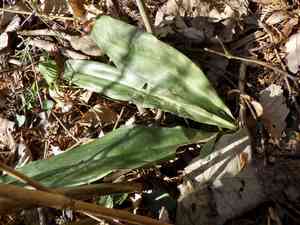
Nippon lily (Rohdea japonica)
Also known as: Sacred lily, Japanese sacred lily, Nippon lily, Japanese lily-of-the-valley
Rohdea japonica, commonly referred to as Sacred Lily or Japanese Sacred Lily, is indigenous to China, Japan, and Korea. This evergreen perennial is widely grown as an ornamental plant, prized for its striking bright red berries that emerge in winter. While it adds aesthetic value to gardens, it's important to note that the plant is toxic and should not be consumed.
In This Article
Attributes of Nippon lily
Lifespan
Perennial
Plant Type
Herb
Plant Height
15 cm to 30 cm
Spread
30 cm to 60 cm
Leaf Color
Green Black
Flower Size
4 mm to 5 mm
Flower Color
White Green Yellow
Images of Nippon lily
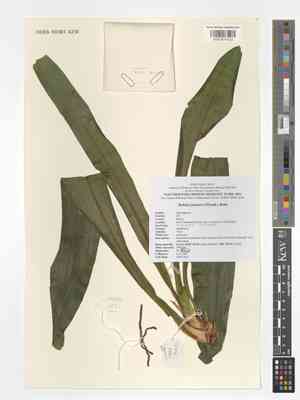
Quickly Identify Nippon lily
1
Thick, rubbery lanceolate leaves, dark green, 1-1.5 feet (30-45 cm) long, 2-3 inches (5-7.5 cm) wide
2
Upright vase-like clump, lush tropical appearance, reaching up to 2 feet (60 cm) in height and width
3
Conspicuous bright red berries, 0.3-0.4 inches (7-10 mm) in diameter, visually striking against foliage
4
Tiny whitish-green flowers, 0.1 inches (2-3 mm) in diameter, densely arranged on a spike
5
Fleshy ruby-red berries, glossy spherical shell, visually appealing, clustered at base on short stalks
Scientific Classification of Nippon lily
Phylum
Vascular plants
Class
Monocotyledons
Order
Asparagus and allies
Family
Asparagus
Genus
Rohdea
Species
Nippon lily
Planting and Growing of Nippon lily
Care Difficulty
Easy
Watering Schedule
Every 3 days
Sunlight Requirements
Partial sun
Sunshine Duration
4-8 hours
Ideal Temperature
60-75℉
Soil Type
Potting Mix, Peat Mix
Soil pH
5.5-7.5
Fertilizer Type
Balanced
Pruning Season
Spring, Summer
Pruning Area
Branches, Leaves
Pruning Frequency
Once a year
Repotting Season
Spring
Pot Type
Plastic, Terracotta
 How to Water Nippon lily?
Rohdea japonica prefers consistent, well-measured watering that keeps the soil slightly moist but never waterlogged. This plant thrives best when watered until approximately 250ml of water per watering session soaks into the soil, allowing excess to gently drain away. The idea is to replenish moisture without drowning the roots.
What are the symptoms of an underwatered Nippon lily?
›
What should I do if my Nippon lily is not getting enough water?
›
What are the symptoms of an overwatered Nippon lily?
›
How to save an overwatered Nippon lily?
›
 What Are the Sunlight Requirements for Nippon lily?
Partial shade to partial sun is ideal for Rohdea japonica. This lighting ensures steady growth, vibrant leaf coloration, and reduces the chance of stress due to harsh lighting conditions.
More About Sunlight Requirements Techniques→
What is the best location for Rohdea japonica?
›
How to manage light indoors for Rohdea japonica?
›
What benefits does ideal lighting provide for Rohdea japonica?
›
 What Is the Ideal Temperature Range for Nippon lily?
Rohdea japonica thrives best in temperatures ranging from 60°F to 75°F. This range allows for optimal growth and ensures that the plant maintains its vibrant foliage. Temperatures within this range mimic the plant's natural habitat, allowing it to flourish and resist common pests and diseases.
 What Soil is Best for Nippon lily?
Rohdea japonica thrives in well-draining soil that prevents waterlogging, enhancing root health and preventing rot. A porous soil helps avoid water buildup around the roots, crucial for this plant's longevity. While good drainage is vital, keeping soil consistently moist is key for Rohdea japonica. Moisture-retentive soil helps the plant access necessary water without experiencing fluctuations that cause stress. A soil rich in organic matter supports healthy growth and lush foliage in Rohdea japonica. Nutrient-rich soil provides the essential elements needed for robust development and vibrant leaves.
 How to Fertilize Nippon lily?
For Rohdea japonica, it's best to apply a balanced liquid fertilizer, diluted to half-strength, ensuring you don't overwhelm the plant's roots. Use about half a teaspoon per gallon of water for liquid feed. For slow-release fertilizers, apply a small handful scattered evenly around the base of the plant to provide nutrients over time.
 How to Prune Nippon lily?
Start by examining the plant for any dead or damaged leaves, as these should be removed first to prevent any potential disease. Use sharp and sterilized pruning shears to make clean cuts. Focus on trimming the longer leaves to maintain the plant’s balanced shape, ensuring you cut back to the base of the leaf to avoid unsightly stubs. This encourages new, healthy growth and keeps the plant looking neat.
More About Pruning Techniques→
 How to Propagate Nippon lily plant?
1
Harvest ripe berries from Rohdea japonica and carefully extract the seeds. Clean them thoroughly to remove any pulp, which can harbor pathogens.
2
Prepare a well-draining potting mix for seed propagation. It should be moist but not waterlogged to ensure proper seed germination and rooting for divisions.
3
Sow the seeds shallowly in the prepared soil or plant divisions at the same depth as they were previously. Ensure adequate spacing for growth.
 How to Repot Nippon lily plant?
1
Rohdea japonica signals the need for repotting when roots emerge from the drainage holes, crowd the surface of the soil, or when growth seems sluggish. Typically, repotting is best in spring or autumn to minimize root stress and take advantage of active growth periods.
2
Select a pot slightly larger than the current one, with ample drainage holes. The new pot should be 1-2 inches wider in diameter to give the roots room to grow while preventing excess soil, which can lead to water retention issues. Good pot selection aids root development and prevents overwatering.
3
For Rohdea japonica, choose a soil mix that is rich in organic matter and drains well. Adding perlite or sand helps enhance aeration and drainage, crucial for preventing root rot. A well-selected soil mix provides necessary nutrients and creates a supportive environment.
Learn More About Nippon lily Diseases
Anthracnose
Bacterial Leaf Spot
Bacterial Soft Rot
Chemical Injury
Crown Gall
Cyst Nematode
Damping-off
Downy Mildew
Drought Stress
Fusarium Wilt
Gray Mold
Leaf Spot
Mosaic
Nutrient Deficiency
Nutrient Toxicity
Powdery Mildew
Root Rot
Root-knot Nematode
Rusts
Sooty Mold
Spider Mites
Temperature Stress
Thrips Damage
White Mold



