Rodgersia (Rodgersia) (Rodgersia)
Also known as: None
Rodgersflowers, a small genus of herbaceous perennials, are named in honor of the American explorer John Rodgers. Known for their striking bronze foliage in late summer, Rodgersia thrive in moist environments, especially near water. They serve well as hardy groundcover.
In This Article
Attributes of Rodgersia (Rodgersia)
Lifespan
Perennial
Plant Height
3 m
Spread
3 m
Leaf Color
Green, often with bronze or reddish tint when young
Flower Size
Small flowers, less than 1 inch (2.5 cm)
Flower Color
White, pink, or red
Images of Rodgersia (Rodgersia)
Quickly Identify Rodgersia (Rodgersia)
1
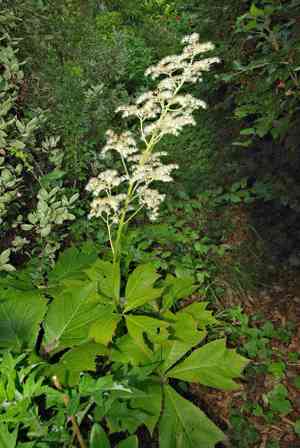
Rodgersia can be identified by its large, divided leaves with a textured surface, and tall flower spikes bearing clusters of small, star-shaped flowers. The leaves often have a bronze or reddish tint when young.
Scientific Classification of Rodgersia (Rodgersia)
Phylum
Tracheophyta
Class
Magnoliopsida
Order
Saxifragales
Family
Saxifragaceae
Genus
Rodgersia
Planting and Growing of Rodgersia (Rodgersia)
Care Difficulty
Moderate
Watering Schedule
Every 4 days
Sunlight Requirements
Partial sun
Sunshine Duration
4-8 hours
Ideal Temperature
60-75℉
Soil Type
Potting Mix, Peat Mix
Soil pH
6.5-7.5
Fertilizer Type
Balanced
Pruning Season
Spring, Summer
Pruning Area
Branches, Leaves
Pruning Frequency
2 times a year
Repotting Season
Spring
Pot Type
Plastic, Ceramic
 How to Water Rodgersia (Rodgersia)?
Rodgersia thrives best when its soil is consistently moist, but not waterlogged. Aim to provide approximately 500ml of water per session, ensuring that the soil surface remains damp but not soggy. This helps maintain a healthy moisture balance that mimics its natural habitat.
What are the symptoms of an underwatered Rodgersia (Rodgersia)?
›
What should I do if my Rodgersia (Rodgersia) is not getting enough water?
›
What are the symptoms of an overwatered Rodgersia (Rodgersia)?
›
How to save an overwatered Rodgersia (Rodgersia)?
›
 What Are the Sunlight Requirements for Rodgersia (Rodgersia)?
Partial sun to full shade provides balance. Adequate light helps Rodgersia maintain vigorous growth and lush foliage, essential for aesthetic appeal and plant health.
How much sunlight does Rodgersia need?
›
Why is this lighting condition ideal for Rodgersia?
›
How can I achieve ideal lighting for Rodgersia?
›
 What Is the Ideal Temperature Range for Rodgersia (Rodgersia)?
Rodgersia plants thrive in temperatures between 60°F and 75°F. This range supports optimal growth and ensures that the plant develops lush foliage and vibrant blooms. Maintaining this temperature range helps the plant avoid stress and promotes healthy physiological functions.
 What Soil is Best for Rodgersia (Rodgersia)?
This plant thrives in soils that retain moisture well. The loamy and sandy loam soils provide an excellent balance that retains the necessary moisture for the plant while also allowing excess water to drain, preventing root rot. Rodgersia demands a nutrient-rich soil environment. Its growth is significantly bolstered by abundant organic matter, which fuels its lush foliage and vibrant flowering. Regularly amending the soil with compost can aid in maintaining the desired nutrient levels. Preferring slightly acidic conditions, Rodgersia benefits from a soil environment with a pH of 6.5 to 7.5. This range ensures the availability of essential nutrients while preventing the uptake of harmful elements.
 How to Fertilize Rodgersia (Rodgersia)?
Rodgersia benefits from balanced fertilization. Use a 10-10-10 NPK formula, applying liquid fertilizer at half the recommended strength to avoid nutrient burn. Incremental feeding helps maintain lush foliage, providing essential nutrients for optimal growth.
 How to Prune Rodgersia (Rodgersia)?
To prune Rodgersia, begin by examining the plant for any dead or damaged leaves. Using clean, sharp shears, carefully cut back these unwanted sections to the base or to healthy foliage. This encourages new, vibrant growth and maintains the plant's overall aesthetic appeal. After removing the dead or damaged foliage, focus on shaping the plant by selectively removing crowded stems. This helps improve air circulation and allows light to penetrate the center of the plant, reducing the risk of fungal infections and ensuring a robust structure.
 How to Propagate Rodgersia (Rodgersia) plant?
1
To maximize germination rates, Rodgersia seeds often require cold stratification. Place seeds in a damp paper towel inside a plastic bag and refrigerate them for approximately 4-6 weeks before planting.
2
Choose a healthy stem, cut a 4-6 inch section, and remove the lower leaves. Dip the cut end in rooting hormone to increase the chances of successful root formation.
3
Gently dig up the plant in early spring and use a clean knife to separate clumps. Ensure each division has a good root system before replanting them in suitable soil conditions.
 How to Repot Rodgersia (Rodgersia) plant?
1
Rodgersia typically requires repotting when it becomes root-bound or shows signs of stunted growth. These signs indicate that its roots have filled the current pot and need more space and nutrients. Early spring or autumn are ideal, as the plant experiences less stress during these times.
2
Select a pot that is 1-2 inches larger in diameter than the current one, ensuring it has good drainage holes. A pot too large holds excess moisture, leading to root rot, while a well-sized pot allows proper growth and aeration of the roots, fostering a healthy plant.
3
Opt for a rich, well-draining soil mix that retains moisture yet does not stay soggy. Such soil provides Rodgersia with essential nutrients, ensuring strong growth and preventing root diseases caused by overly wet conditions.

