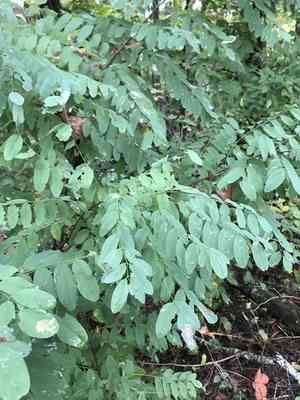
Black locust (Robinia pseudoacacia)
Also known as: Locust tree
The black locust tree often garners a negative reputation in many parts of the U.S. due to its aggressive growth habits, but it also offers several advantages. For instance, it serves as a crucial nectar source for honeybees and is effective for windbreaks due to its fast growth rate, typically between 91 to 122 cm annually. Additionally, its wood is exceptionally rot-resistant, making it valuable for use in fence posts and other outdoor applications. However, one should note that the plant is highly toxic and should not be ingested under any circumstances. Despite its benefits, the black locust requires careful management to control its invasive tendencies.
Attributes of Black locust
Images of Black locust
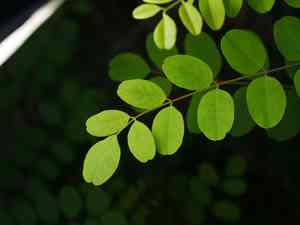
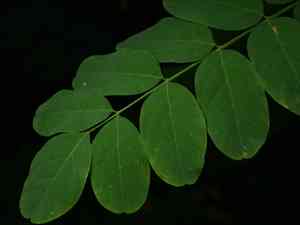
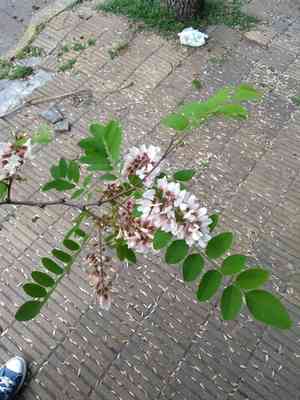
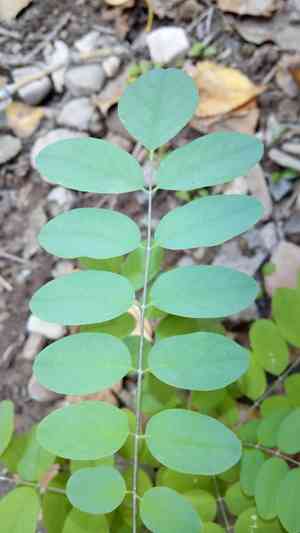
Quickly Identify Black locust
Scientific Classification of Black locust
Planting and Growing of Black locust
 How to Water Black locust?
 What Are the Sunlight Requirements for Black locust?
 What Is the Ideal Temperature Range for Black locust?
 What Soil is Best for Black locust?
 How to Fertilize Black locust?
 How to Prune Black locust?
 How to Propagate Black locust plant?
 How to Repot Black locust plant?
Toxicity of Black locust
Is Black locust toxic to humans?
Every part of the black locust tree is toxic to humans upon ingestion. This is particularly concerning for children who might unknowingly consume parts of the plant. The bark, seeds, and new shoots are the most hazardous. While black locust poisoning is seldom lethal, the symptoms can linger for several days or even weeks. The level of toxicity is categorized as moderate to high, and symptoms may encompass abdominal pain, diarrhea, muscle weakness, dilated pupils, and rapid respiration.
Is Black locust toxic to cat?
The black locust displays a moderate toxicity level for cats and poses a risk of harm should any portion of the plant be consumed. This plant's entire structure is toxic, extending from its leaves to its roots, making exposure particularly hazardous. If a cat were to ingest black locust, it may show signs of physical distress, which could include gastrointestinal disturbances among various symptoms. Since early detection and intervention are vital, it is crucial to take a cat to a veterinary clinic without delay if poisoning is suspected.
Is Black locust toxic to dog?
The black locust tree poses a moderate level of toxicity to dogs. All components of the plant are deemed toxic, meaning that canines are at risk of poisoning from consuming any part of it. Should a dog ingest parts of the black locust, they might display signs such as gastrointestinal distress, lethargy, and depression. It is essential for dog owners to restrict their pets' access to black locust and to keep a close watch on them if they are in proximity to this plant. In the case that a dog consumes any portion of the black locust, it is crucial to seek prompt veterinary assistance to ensure appropriate treatment and management of the symptoms.



