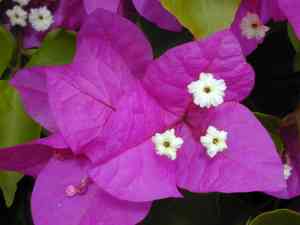
Rivina (Rivina) (Rivina)
Also known as: Bloodberry, Pigeonberry
Rivina are flowering herbs or subshrubs native to tropical and subtropical America. They have also been introduced to other tropical regions primarily because they are cultivated as ornamental plants in warm climates. The genus name, Rivina, honors Augustus Quirinus Rivinus, a German botanist from the 17th and 18th centuries.
In This Article
Attributes of Rivina (Rivina)
Lifespan
Perennial
Plant Height
30-60 cm
Spread
20-45 cm
Leaf Color
Green
Flower Size
0.5-1 cm
Flower Color
White or pale pink
Images of Rivina (Rivina)
Quickly Identify Rivina (Rivina)
1
Rivina can be identified by its small white flowers with four petals, bright red berries, and lance-shaped leaves that are alternate on the stem.
Scientific Classification of Rivina (Rivina)
Phylum
Magnoliophyta
Class
Magnoliopsida
Order
Caryophyllales
Family
Petiveriaceae
Genus
Rivina
Planting and Growing of Rivina (Rivina)
Care Difficulty
Easy
Watering Schedule
Every 4 days
Sunlight Requirements
Partial sun
Sunshine Duration
6-10 hours
Ideal Temperature
65-75℉
Soil Type
Potting Mix, Peat Mix
Soil pH
6.5-7.5
Fertilizer Type
Balanced
Pruning Season
Spring, Summer
Pruning Area
Branches, Leaves
Pruning Frequency
2 times a year
Repotting Season
Spring
Pot Type
Plastic, Terracotta
 How to Water Rivina (Rivina)?
Rivina requires a consistent but moderate watering approach. Ensure the soil is evenly moist but not waterlogged. Use approximately 200 ml of water per session, aimed at maintaining steady soil hydration without saturation.
What are the symptoms of an underwatered Rivina (Rivina)?
›
What should I do if my Rivina (Rivina) is not getting enough water?
›
What are the symptoms of an overwatered Rivina (Rivina)?
›
How to save an overwatered Rivina (Rivina)?
›
 What Are the Sunlight Requirements for Rivina (Rivina)?
Rivina humilis ideally thrives in partial sunlight, receiving about 4 to 6 hours of sun daily. This range ensures adequate photosynthesis while avoiding the harsh effects of full sun, promoting lush foliage and fruit production.
What is the best light for Rivina humilis?
›
How can I achieve ideal lighting conditions for Rivina humilis?
›
What are the benefits of providing ideal light conditions to Rivina humilis?
›
 What Is the Ideal Temperature Range for Rivina (Rivina)?
For optimal growth, Rivina requires a consistent temperature range between 65°F and 75°F. This range ensures healthy leaf development and encourages vibrant berry production. Maintaining this temperature range helps prevent stress and disease, promoting vigorous plant health. It is the best environment for accelerated metabolic activities and efficient nutrient absorption.
 What Soil is Best for Rivina (Rivina)?
Rivina plants thrive best in well-draining soil to prevent waterlogging, which can lead to root rot. Ensuring good drainage helps maintain a healthy root system and promotes sturdier growth. A soil rich in organic matter provides essential nutrients for Rivina. This enriches the plant’s growth, leading to lush foliage and a vibrant appearance due to increased access to vital nutrients. While Rivina needs well-draining soil, it also requires soil that retains enough moisture. This balance between drainage and retention supports sustained hydration and prevents stress from drought.
 How to Fertilize Rivina (Rivina)?
For Rivina, apply a balanced liquid fertilizer at a quarter of the recommended strength to avoid over-fertilization. You should aim to apply about 1 teaspoon per gallon of water during the growing season. Adjust the amount according to the plant's response and growth conditions.
 How to Prune Rivina (Rivina)?
Start by inspecting the plant for any dead or damaged leaves and stems. These should be removed to promote air circulation and allow the plant to direct its energy to healthy growth. Trim the Rivina to maintain your desired shape and size. This helps in keeping the plant organized and prevents it from becoming too leggy or sparse. To encourage bushier growth, focus on trimming back the terminal buds, or the tips of the branches. This stimulates the plant to sprout new branches.
 How to Propagate Rivina (Rivina) plant?
1
Start by collecting healthy Rivina seeds and soaking them in warm water for 24 hours to enhance germination rates. This process helps in softening the seed coat, making it easier for the seed to sprout.
2
For cutting propagation, cut a 4 to 6-inch healthy stem below the node using clean shears. Remove some of the lower leaves to reduce moisture loss and dip the cut end in rooting hormone to stimulate root growth.
3
To propagate by division, carefully dig up a mature Rivina plant and gently separate the roots into sections. Each section should have a healthy root system and stems. Replant the divisions promptly in prepared soil.
 How to Repot Rivina (Rivina) plant?
1
Rivina plants need repotting when roots start to grow out of the drainage holes, indicating they are pot-bound. Another sign is when growth slows despite adequate care. Ideally, repot before the vigorous growth season in spring or summer.
2
Select a pot that is one size larger, ensuring it has drainage holes to prevent waterlogging. A slightly larger pot allows for root expansion and better aeration, promoting healthier growth without excess water retention.
3
Opt for a well-draining potting mix with a mix of peat, perlite, and a bit of sand. This combination provides necessary drainage, retains moisture without causing root rot, and ensures the plant remains healthy.
Toxicity
Ingestion
WARNING
The judgment on toxicity and danger is for reference only. We DO NOT GUARANTEE any accuracy of such judgment. Therefore, you SHALL NOT rely on such judgment. It is IMPORTANT TO SEEK PROFESSIONAL ADVICE in advance when necessary.
Learn More About Rivina (Rivina) Diseases
Anthracnose
Bacterial Leaf Spot
Bacterial Wilt
Black Spot
Chemical Injury
Crown Gall
Cyst Nematode
Damping-off
Downy Mildew
Drought Stress
Fusarium Wilt
Gray Mold
Leaf Curl
Leaf Spot
Mosaic
Nutrient Deficiency
Nutrient Toxicity
Powdery Mildew
Root Rot
Root-knot Nematode
Rusts
Sooty Mold
Spider Mites
Temperature Stress
Thrips Damage
White Mold

