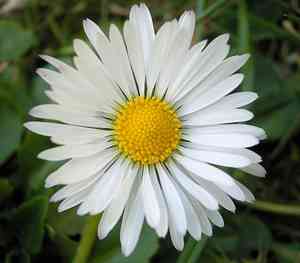
Rigiopappus (Rigiopappus) (Rigiopappus)
Also known as: None
Rigiopappus is a genus of flowering plants in the Asteraceae family, known for its small yellow flowers and typically found in North America.
In This Article
Attributes of Rigiopappus (Rigiopappus)
Lifespan
Perennial
Plant Height
15-30 cm
Spread
Not applicable
Leaf Color
Green
Flower Size
1-2 cm
Flower Color
Yellow
Images of Rigiopappus (Rigiopappus)
Quickly Identify Rigiopappus (Rigiopappus)
1
Look for small yellow flower heads, often with sparsely leafed stems. It has a taproot system and can be found in dry, open habitats.
Scientific Classification of Rigiopappus (Rigiopappus)
Phylum
Tracheophyta
Class
Magnoliopsida
Order
Asterales
Family
Asteraceae
Genus
Rigiopappus
Planting and Growing of Rigiopappus (Rigiopappus)
Care Difficulty
Moderate
Watering Schedule
Every 2 days
Sunlight Requirements
Full sun
Sunshine Duration
4-8 hours
Ideal Temperature
60-75℉
Soil Type
Potting Mix, Peat Mix
Soil pH
6-8
Fertilizer Type
Balanced
Pruning Season
Spring, Summer
Pruning Area
Branches, Leaves
Pruning Frequency
2 times a year
Repotting Season
Spring
Pot Type
Plastic, Terracotta
 How to Water Rigiopappus (Rigiopappus)?
Rigiopappus requires careful watering, ensuring each session delivers approximately 250 ml of water. This amount should moisten the soil evenly without causing water to pool. The goal is to achieve penetrating hydration, allowing the roots to absorb moisture without suffocation or excessive dampness. This balance ensures the plant thrives without oversaturation issues.
What are the symptoms of an underwatered Rigiopappus (Rigiopappus)?
›
What should I do if my Rigiopappus (Rigiopappus) is not getting enough water?
›
What are the symptoms of an overwatered Rigiopappus (Rigiopappus)?
›
How to save an overwatered Rigiopappus (Rigiopappus)?
›
 What Are the Sunlight Requirements for Rigiopappus (Rigiopappus)?
Rigiopappus should ideally be in full sunlight, benefiting from the energy for active growth and healthy flowering. Ample sunlight ensures vibrant blooms and a robust plant structure.
How much light does Rigiopappus need?
›
What are the solutions for achieving ideal lighting?
›
How does ideal lighting benefit Rigiopappus?
›
 What Is the Ideal Temperature Range for Rigiopappus (Rigiopappus)?
Rigiopappus thrives best in temperatures ranging from 60°F to 75°F. This range provides the ideal conditions for photosynthesis and metabolic activities, ensuring robust growth and development.
 What Soil is Best for Rigiopappus (Rigiopappus)?
Rigiopappus thrives in well-drained soil, as it prevents waterlogging, which can lead to root rot and other diseases. Ensuring proper drainage increases the plant's ability to absorb nutrients efficiently, promoting healthier growth. A moderately nutrient-rich soil provides Rigiopappus with the essential minerals necessary for its growth and flowering. It is important for the soil to retain some fertility without being overly rich, which can dilute the plant's natural resilience. Soil with good aeration is crucial for Rigiopappus because it allows the roots to breathe and facilitates the movement of water and nutrients. This condition supports robust root development and overall plant vitality.
 How to Fertilize Rigiopappus (Rigiopappus)?
Rigiopappus, a delicate wildflower, requires a balanced approach to fertilizing. Apply liquid fertilizer at half the recommended strength to avoid overwhelming its root system. When using slow-release fertilizers, ensure you use a small quantity, about 1/4 cup, around the plant base, to sustain its growth without stress.
 How to Prune Rigiopappus (Rigiopappus)?
Begin by sterilizing your pruning shears to prevent disease transmission. Identify dead or damaged stems and remove them first. Proceed to trim back overgrown branches, cutting just above a node or leaf bud to encourage a flush of new growth. Shape the plant according to your preference, ensuring not to remove more than one-third of the foliage at once to avoid stress. Prune during Spring and Summer when the plant is actively growing to assist in rapid recovery. Utilize sharp and clean tools to achieve precise cuts, minimizing plant trauma. Consider using gloves to protect your hands from sharp stems or any irritants. Pay attention to the weather and avoid pruning during excessively hot or damp conditions to optimize recovery.
 How to Propagate Rigiopappus (Rigiopappus) plant?
1
Begin by soaking Rigiopappus seeds in warm water for about 24 hours. This process helps in breaking dormancy and promotes quicker germination by softening the seed coat.
2
Sow the seeds evenly onto the surface of the moistened soil in the seed tray. Do not bury them too deeply; a light dusting of soil or vermiculite should suffice to cover the seeds gently.
3
Place the seeded trays in a greenhouse or a warm indoor space that receives indirect sunlight. Keep the soil consistently moist by misting lightly with water, avoiding waterlogging.
 How to Repot Rigiopappus (Rigiopappus) plant?
1
Look for signs like roots emerging from the pot's drainage holes or if the plant appears stunted and lacks vibrant growth. These signals indicate the plant has outgrown its pot and it's time for repotting. Late spring or early summer offers optimal conditions for the plant to establish itself in its new home.
2
Select a pot that is one size larger than the current one, with good drainage. A ceramic or terracotta pot is ideal as it allows the roots to breathe and prevents waterlogging, providing a stable environment for new roots to develop.
3
Opt for a well-draining sandy soil mix suitable for desert-like flora. This composition mimics its natural habitat, promoting healthy root development and preventing root rot by ensuring excess water can easily escape.
Learn More About Rigiopappus (Rigiopappus) Diseases
Anthracnose
Bacterial Leaf Spot
Bacterial Wilt
Black Spot
Chemical Injury
Cyst Nematode
Damping-off
Downy Mildew
Drought Stress
Fusarium Wilt
Gray Mold
Leaf Curl
Leaf Spot
Mosaic
Nutrient Deficiency
Nutrient Toxicity
Powdery Mildew
Root Rot
Root-knot Nematode
Rusts
Sooty Mold
Spider Mites
Temperature Stress
Thrips Damage
White Mold

