Castor Bean (Ricinus) (Ricinus)
Also known as: Castor Bean, Castor Oil Plant, Palma Christi
The castor oil plant, known scientifically as *Ricinus communis*, is the source of castor oil. Extracted from its seeds, castor oil has numerous industrial and commercial uses. It finds application in products such as brake fluids, dyes, industrial lubricants, soaps, perfumes, and cosmetics.
In This Article
Attributes of Castor Bean (Ricinus)
Lifespan
Annual
Plant Height
1-3 meters (3-10 feet); can grow up to 12 meters (40 feet) in ideal conditions
Spread
1-2 meters (3-6 feet)
Leaf Color
Green, red, or bronze
Flower Size
Small, inconspicuous flowers. Approximately 1 cm (0.4 inches)
Flower Color
Greenish to red
Images of Castor Bean (Ricinus)

Quickly Identify Castor Bean (Ricinus)
1
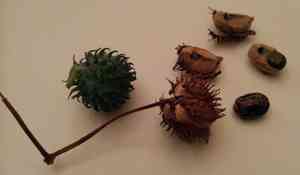
Ricinus can be identified by its large, palmate leaves with 5-11 deeply divided lobes that can grow up to 30–70 cm in length. The plant also produces spiky seed capsules, and the seeds themselves are highly distinctive with their mottled appearance.
Scientific Classification of Castor Bean (Ricinus)
Phylum
Tracheophyta
Class
Magnoliopsida
Order
Malpighiales
Family
Euphorbiaceae
Genus
Ricinus
Planting and Growing of Castor Bean (Ricinus)
Care Difficulty
Easy
Watering Schedule
Every 4 days
Sunlight Requirements
Full sun
Sunshine Duration
6-12 hours
Ideal Temperature
77-86℉
Soil Type
Potting Mix, Peat Mix
Soil pH
6-7.5
Fertilizer Type
Balanced
Pruning Season
Spring, Summer
Pruning Area
Branches, Leaves
Pruning Frequency
2 times a year
Repotting Season
Spring
Pot Type
Plastic, Ceramic
 How to Water Castor Bean (Ricinus)?
For Ricinus, watering should be thorough enough to reach all parts of the root system without causing waterlogging. This usually means providing around 500ml of water per session, depending on the size of the container and environmental conditions. Aim to keep the soil consistently moist but not drenched.
What are the symptoms of an underwatered Castor Bean (Ricinus)?
›
What should I do if my Castor Bean (Ricinus) is not getting enough water?
›
What are the symptoms of an overwatered Castor Bean (Ricinus)?
›
How to save an overwatered Castor Bean (Ricinus)?
›
 What Are the Sunlight Requirements for Castor Bean (Ricinus)?
Ricinus thrives in full sun environments, where it can absorb the necessary sunlight for optimal health. Proper light promotes sizable seed production and disease resistance.
How much light does Ricinus need daily?
›
What solutions are there for ideal light?
›
What benefits come from ideal lighting?
›
 What Is the Ideal Temperature Range for Castor Bean (Ricinus)?
For Ricinus, the ideal temperature range for optimal growth is between 77°F and 86°F. This temperature range promotes robust growth and healthy development. Maintaining these conditions ensures that the plant can perform photosynthesis effectively and utilize nutrients efficiently.
 What Soil is Best for Castor Bean (Ricinus)?
Ricinus thrives in well-draining soil, which prevents waterlogging and root rot. Using loam or sandy loam encourages proper drainage, ensuring healthy root development and vigorous plant growth. Rich, fertile soils with high organic matter content provide Ricinus with essential nutrients. This boosts growth and leads to lush foliage and prolific flowering. Compost or well-rotted manure additions can enhance soil fertility. Although Ricinus prefers moist soils, it can tolerate dry conditions. Moderate moisture keeps the plant hydrated without causing soggy soil, maintaining balanced water availability for optimal growth.
 How to Fertilize Castor Bean (Ricinus)?
Ricinus plants are heavy feeders and require consistent nutrient input. For liquid fertilizers, dilute the solution to half-strength to avoid root burn. Use approximately 1 to 2 tablespoons of liquid fertilizer per gallon of water, applied evenly across the soil surface. For slow-release fertilizers, use 1/4 to 1/2 cup per plant, depending on its size and soil fertility.
 How to Prune Castor Bean (Ricinus)?
To prune a Ricinus, begin by sterilizing your pruning shears to prevent disease. Identify any dead or damaged leaves and branches, and remove them by cutting at the base. For shaping, trim branches back to a healthy bud or node, making clean cuts to avoid tearing. Maintain a balance in the foliage by removing overlapping branches and ensure the central stalk is upright and stable.
 How to Propagate Castor Bean (Ricinus) plant?
1
Choose high-quality, disease-free Ricinus seeds for propagation. Scarify the seeds slightly with sandpaper to aid germination. Soaking them in water overnight enhances moisture absorption, increasing germination success rates.
2
Fill a seed tray with a well-draining seed-starting mix. Sow the Ricinus seeds about 1 inch deep, keeping them spaced adequately. Cover with soil and lightly mist to ensure the soil is moist but not waterlogged.
3
Place the seed tray on a heat mat to keep soil temperatures around 70-75°F (21-24°C). Ensure the seedlings receive bright, indirect light for 10-12 hours a day. A grow light can supplement natural light if necessary.
 How to Repot Castor Bean (Ricinus) plant?
1
Repot Ricinus when roots visibly outgrow the current pot or soil becomes compacted. These signs, usually evident in spring or summer, indicate the plant needs more space to thrive.
2
Opt for a pot slightly larger than the current one, with good drainage holes. This provides space for growth and prevents waterlogged soil, aiding root health and preventing rot.
3
Use a well-draining, loamy soil mix. This soil provides essential nutrients, retains moisture efficiently, and ensures proper drainage, keeping the roots healthy and robust.
Toxicity
Ingestion of seeds or other plant parts, inhalation of allergens, skin contact with sap
WARNING
The judgment on toxicity and danger is for reference only. We DO NOT GUARANTEE any accuracy of such judgment. Therefore, you SHALL NOT rely on such judgment. It is IMPORTANT TO SEEK PROFESSIONAL ADVICE in advance when necessary.
Learn More About Castor Bean (Ricinus) Diseases
Anthracnose
Bacterial Leaf Spot
Bacterial Wilt
Chemical Injury
Damping-off
Downy Mildew
Drought Stress
Fusarium Wilt
Gray Mold
Leaf Curl
Leaf Spot
Mosaic
Nutrient Deficiency
Nutrient Toxicity
Powdery Mildew
Root Rot
Root-knot Nematode
Rusts
Sooty Mold
Spider Mites
Temperature Stress
Thrips Damage
White Mold

