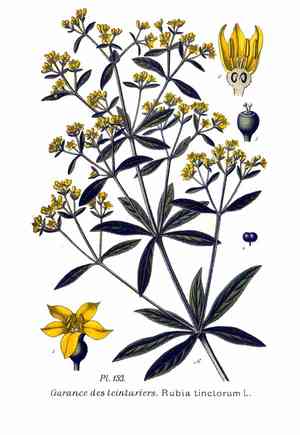
Mexican clovers (Richardia) (Richardia)
Also known as: Mexican Clover, White-eye
The genus **Achimenes** comprises fewer than twenty species of flowering plants. These plants thrive in warm climates and are originally from tropical regions of the Americas, though they have spread to other areas as well. Some species grow upright, while others are more sprawling, but all are characterized by their distinctive hairy leaves.
In This Article
Attributes of Mexican clovers (Richardia)
Lifespan
Annual
Plant Height
5-30 cm
Spread
30-60 cm
Leaf Color
Green
Flower Size
0.5-1 cm
Flower Color
White
Images of Mexican clovers (Richardia)
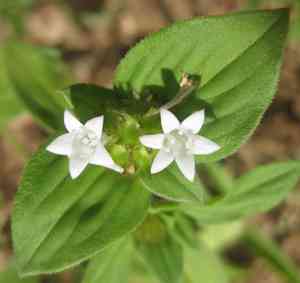
Quickly Identify Mexican clovers (Richardia)
1
Richardia can be identified by its low-growing, sprawling habit, small white flowers, and hairy, oval-shaped leaves. The flowers typically have a unique structure with a central white eye.
Scientific Classification of Mexican clovers (Richardia)
Phylum
Magnoliophyta
Class
Magnoliopsida
Order
Gentianales
Family
Rubiaceae
Genus
Richardia
Planting and Growing of Mexican clovers (Richardia)
Care Difficulty
Easy
Watering Schedule
Every 4 days
Sunlight Requirements
Partial sun
Sunshine Duration
4-6 hours
Ideal Temperature
68-77℉
Soil Type
Potting Mix, Peat Mix
Soil pH
6.5-7.5
Fertilizer Type
Balanced
Pruning Season
Spring, Summer
Pruning Area
Branches, Leaves
Pruning Frequency
2 times a year
Repotting Season
Spring
Pot Type
Plastic, Ceramic
 How to Water Mexican clovers (Richardia)?
When watering Richardia, aim to give about 250 milliliters each time. The goal is to ensure the soil is evenly moist but not waterlogged. Stick your finger into the soil up to the second knuckle—if it feels dry at that depth, it’s time to water. Water until you see a small amount of runoff coming from the bottom of the pot, ensuring it has penetrated deeply enough.
What are the symptoms of an underwatered Mexican clovers (Richardia)?
›
What should I do if my Mexican clovers (Richardia) is not getting enough water?
›
What are the symptoms of an overwatered Mexican clovers (Richardia)?
›
How to save an overwatered Mexican clovers (Richardia)?
›
 What Are the Sunlight Requirements for Mexican clovers (Richardia)?
Richardia prefers partial sunlight, shining for 4 to 6 hours is ideal. This balance helps prevent leaf damage, encourages healthy growth, and enhances its aesthetic appeal with vibrant flowers.
How much sunlight does Richardia need?
›
What are the solutions for ideal lighting?
›
What benefits does ideal lighting bring?
›
 What Is the Ideal Temperature Range for Mexican clovers (Richardia)?
Richardia thrives best between 68°F to 77°F. This range allows for optimal photosynthesis and growth processes, facilitating healthy development without stress. Maintaining consistent temperatures ensures vibrant foliage and robust bloom cycles.
 What Soil is Best for Mexican clovers (Richardia)?
Richardia thrives in well-drained soil that prevents waterlogging, a common cause of root rot. This condition is crucial for maintaining healthy roots and vigorous growth, enhancing the plant's resilience against diseases. The plant benefits from soil rich in organic matter, providing essential nutrients for growth. Compost or well-rotted manure can improve the soil's fertility, ensuring robust blooms and lush foliage. Richardia requires soil with good aeration, which allows roots to access oxygen. Proper aeration prevents soil compaction, facilitating root expansion and enhancing nutrient uptake efficiency.
 How to Fertilize Mexican clovers (Richardia)?
Richardia thrives on a balanced nutrient intake, with moderate use of both liquid and slow-release fertilizers. For liquid fertilizers, a concentration of 1/4 to 1/2 of the recommended dose is optimal, as over-fertilization can easily harm the plant. For slow-release fertilizers, apply according to the manufacturer's instructions. The goal is to provide a steady supply of essential nutrients without overwhelming the plant.
 How to Prune Mexican clovers (Richardia)?
Begin by sanitizing your tools to prevent the spread of disease. Remove any dead or yellowing leaves, followed by trimming back wayward branches to maintain the desired shape of the plant. Ensure you cut at a 45-degree angle just above a leaf node to encourage new growth. Although Richardia can be pruned in both Spring and Summer, focus on the active growing seasons. This timing will allow the plant to recover promptly and continue producing lush foliage and blooms. Avoid excessive pruning in Autumn and Winter as this may hinder growth.
 How to Propagate Mexican clovers (Richardia) plant?
1
Begin by collecting seeds from mature Richardia plants. Sow them in trays filled with a well-draining seed-starting mix and cover lightly. Keep the soil moist but not waterlogged, and place the trays in a warm, bright location until germination occurs.
2
Select healthy stems from the parent plant, making cuts just below a node. Remove the lower leaves, dip the cut ends in rooting hormone, and plant them in a mixture of sand and peat. Maintain humidity by covering the cuttings with a plastic dome.
3
Carefully dig up the entire plant and gently separate the roots into smaller sections using hands or a clean knife. Ensure each section has both roots and a portion of the stem, then replant them in prepared pots with fresh soil.
 How to Repot Mexican clovers (Richardia) plant?
1
You should consider repotting Richardia when you observe the roots tightly bound in the current pot or are growing out of drainage holes. Another key indicator is if water seems to quickly bypass the soil, as this can indicate compacted or depleted soil. It is best to repot in spring or autumn when temperatures are mild.
2
When selecting a new pot for Richardia, choose one that is one size larger than the current pot and has good drainage holes. This ensures that excess water can escape, preventing root rot and encouraging healthy root growth. A pot too large can lead to water retention issues, so moderate size increase is crucial.
3
Opt for a well-draining potting mix that retains some moisture but allows excess to escape readily. A blend containing peat, perlite, and some rich organic material provides a balance of nutrition and drainage, promoting healthy root systems and vigorous growth for Richardia.
Learn More About Mexican clovers (Richardia) Diseases
Anthracnose
Bacterial Leaf Spot
Bacterial Soft Rot
Damping-off
Downy Mildew
Drought Stress
Fusarium Wilt
Gray Mold
Leaf Spot
Mosaic
Nutrient Deficiency
Nutrient Toxicity
Powdery Mildew
Root Rot
Root-knot Nematode
Rusts
Sooty Mold
Spider Mites
Temperature Stress
Thrips Damage
White Mold
Chemical Injury

