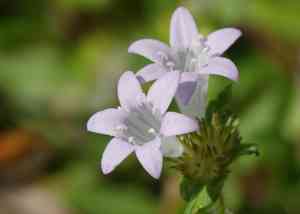
Tropical Mexican clover (Richardia brasiliensis)
Also known as: Brazilian calla-lily, Brazil pusley, Tropical Richardia
A plant from the coffee family that originates in Brazil and is now considered an invasive weed in various tropical regions is Tropical Mexican clover. Its branches can either grow upright or sprawl along the ground.
In This Article
Attributes of Tropical Mexican clover
Lifespan
Perennial, Annual
Plant Type
Herb
Plant Height
40 cm
Spread
30 cm to 60 cm
Leaf Color
Green
Flower Size
2.5 cm
Flower Color
White Pink
Images of Tropical Mexican clover
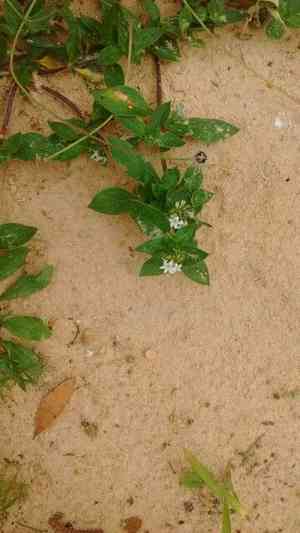
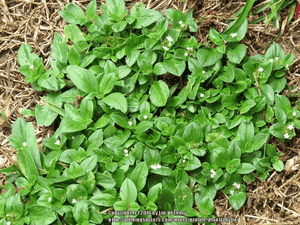
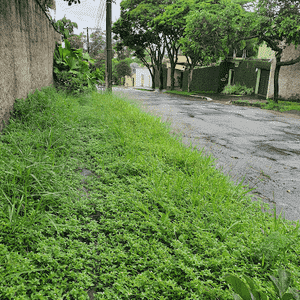
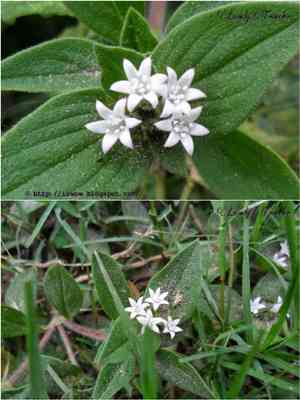
Quickly Identify Tropical Mexican clover
1
Richardia brasiliensis can be identified by its opposite, ovate leaves with a wavy edge and its small, clustered white flowers. The plant typically grows low to the ground and forms a dense mat.
Scientific Classification of Tropical Mexican clover
Phylum
Vascular plants
Class
Dicotyledons
Order
Gentianales
Family
Madder
Genus
Mexican clovers
Species
Tropical Mexican clover
Planting and Growing of Tropical Mexican clover
Care Difficulty
Easy
Watering Schedule
Every 4 days
Sunlight Requirements
Full sun
Sunshine Duration
4-8 hours
Ideal Temperature
68-77℉
Soil Type
Potting Mix, Peat Mix
Soil pH
6.5-7.5
Fertilizer Type
Balanced
Pruning Season
Spring, Summer
Pruning Area
Branches, Leaves
Pruning Frequency
2 times a year
Repotting Season
Spring
Pot Type
Plastic, Ceramic
 How to Water Tropical Mexican clover?
The Brazilian Clover requires about 250 ml of water per session. This ensures that the top inch of soil is evenly moist without waterlogging the roots. Always check the soil's moisture level; the soil should be dry to the touch before the next watering session.
What are the symptoms of an underwatered Tropical Mexican clover?
›
What should I do if my Tropical Mexican clover is not getting enough water?
›
What are the symptoms of an overwatered Tropical Mexican clover?
›
How to save an overwatered Tropical Mexican clover?
›
 What Are the Sunlight Requirements for Tropical Mexican clover?
The ideal light exposure ranges from full sun to partial sun, meaning some strong sunlight each day. This condition ensures robust growth, rich foliage, and healthy flowering.
More About Sunlight Requirements Techniques→
What is the best light condition for Richardia brasiliensis?
›
What are practical solutions to achieve ideal lighting for this plant?
›
What are the benefits of providing ideal lighting for Richardia brasiliensis?
›
 What Is the Ideal Temperature Range for Tropical Mexican clover?
The ideal temperature range for Richardia brasiliensis lies between 68°F and 77°F. This range ensures optimal metabolic processes and promotes prolific bloom and healthy foliage. Maintaining temperatures within this window helps prevent undue stress and potential damage to the plant while supporting consistent growth patterns.
 What Soil is Best for Tropical Mexican clover?
Richardia brasiliensis thrives in well-drained soil because it prevents waterlogging, which can lead to root rot. The well-drained nature of loamy or sandy loam soil ensures that excess water can easily pass through, maintaining the plant's optimal health. This plant benefits from a nutrient-rich soil composition that supports robust growth and flowering. Loamy soils typically provide a balanced supply of necessary nutrients, which can contribute to a healthier plant with vibrant blooms. A soil that retains moderate moisture ensures that Richardia brasiliensis receives adequate hydration without becoming waterlogged. Sandy loam, with its moderate retention capability, supplies just the right amount of water while preventing root conditions.
 How to Fertilize Tropical Mexican clover?
For Richardia brasiliensis, moderation is key when it comes to fertilizing. An application of 10-15 grams of balanced 10-10-10 (NPK) fertilizer per plant every three months will suffice. Ensure the soil is moist to facilitate nutrient absorption without burning the roots.
 How to Prune Tropical Mexican clover?
While pruning, handle the plant with care as its stems can be fragile. Avoid pruning during periods of extreme heat or cold as the plant might be stressed by the temperature changes. Also, ensure not to remove more than one-third of the plant’s foliage at any given time to prevent shock.
More About Pruning Techniques→
 How to Propagate Tropical Mexican clover plant?
1
Start by selecting healthy seeds. Soak them in water overnight to improve germination rates. Plant them in seed trays filled with a suitable growing medium.
2
Use pruning shears to take 4-6 inch cuttings from healthy plants. Remove lower leaves and dip the cut end in rooting hormone before planting in a moist substrate.
3
Carefully dig up the plant and divide the root system into smaller sections. Ensure each section has a healthy root system and replant them promptly.
 How to Repot Tropical Mexican clover plant?
1
Repot your Richardia brasiliensis when you notice its growth has slowed dramatically, or when the roots begin to peek out of the drainage holes. These signs suggest that the plant has outgrown its current home, requiring a fresh start with new soil.
2
Opt for a pot that is just a size up from the current one, around 2 inches larger in diameter. Using a pot that is too large can lead to water retention issues, which is detrimental to the plant's roots. Ensure the pot has adequate drainage holes to prevent root rot.
3
Select a well-draining sandy soil mix to bolster root aeration and prevent excess moisture retention. This type of soil is ideal for Richardia brasiliensis as it reduces the risk of overwatering, ensuring the roots receive adequate oxygen for healthy growth.
Learn More About Tropical Mexican clover Diseases
Anthracnose
Bacterial Leaf Spot
Bacterial Soft Rot
Bacterial Wilt
Damping-off
Downy Mildew
Drought Stress
Fusarium Wilt
Gray Mold
Leaf Spot
Mosaic
Nutrient Deficiency
Nutrient Toxicity
Powdery Mildew
Root Rot
Root-knot Nematode
Rusts
Sooty Mold
Spider Mites
Temperature Stress
Thrips Damage
White Mold



