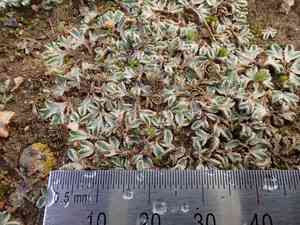
Riccia lamellosa (Riccia lamellosa)
Also known as: N/A
*Marchantia polymorpha* is a liverwort characterized by its forked thalli and flat, ribbon-like structure. It thrives in moist, shaded environments, often forming dense, green mats over soil or rocks. This liverwort contributes to soil stabilization and offers a habitat for small invertebrates.
In This Article
Attributes of Riccia lamellosa
Lifespan
Annual
Plant Type
Moss
Plant Height
1-3 mm
Spread
N/A
Leaf Color
Green to bluish-green
Flower Size
N/A
Flower Color
N/A
Images of Riccia lamellosa
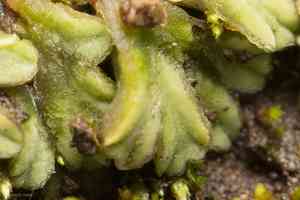
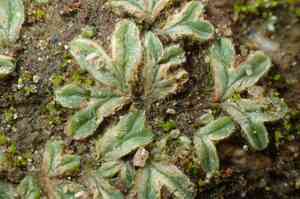
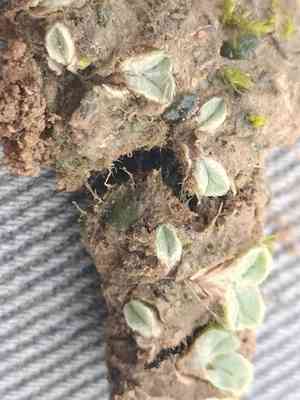
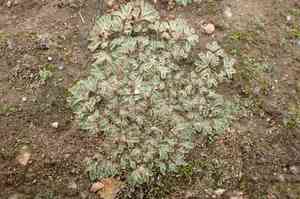
Quickly Identify Riccia lamellosa
1
Identifying Riccia lamellosa involves examining the plant\'s flattened, ribbon-like thallus. The thallus is usually green to bluish-green and forms rosette-like structures. It prefers moist, shaded environments.
Scientific Classification of Riccia lamellosa
Phylum
Hepatics
Class
Complex thalloid liverworts
Order
Marchantiales
Family
Ricciaceae
Genus
Riccia
Species
Riccia lamellosa
Planting and Growing of Riccia lamellosa
Care Difficulty
Easy
Watering Schedule
Every 3 days
Sunlight Requirements
Partial sun
Sunshine Duration
6-10 hours
Ideal Temperature
68-77℉
Soil Type
Potting Mix, Peat Mix
Soil pH
6.5-7.5
Fertilizer Type
Balanced
Pruning Season
Spring, Summer
Pruning Area
Branches, Leaves
Pruning Frequency
2 times a year
Repotting Season
Spring
Pot Type
Plastic, Ceramic
 How to Water Riccia lamellosa?
Riccia lamellosa prefers to be watered with about 100 milliliters per session. This allows the substrate to become adequately moist but not saturated. The water should seep gently into the soil, promoting a balanced moisture level without creating heavy pools at the base. It's important to avoid overwatering as it can lead to root rot. Watering should mimic the plant’s natural environment, providing moisture without excess pooling.
What are the symptoms of an underwatered Riccia lamellosa?
›
What should I do if my Riccia lamellosa is not getting enough water?
›
What are the symptoms of an overwatered Riccia lamellosa?
›
How to save an overwatered Riccia lamellosa?
›
 What Are the Sunlight Requirements for Riccia lamellosa?
Riccia lamellosa benefits from partial sun exposure. This range encourages balanced growth and prevents the negative impact of fluctuating light conditions.
What is the ideal lighting condition for Riccia lamellosa?
›
How to achieve ideal lighting for Riccia lamellosa?
›
What are the benefits of ideal lighting for Riccia lamellosa?
›
 What Is the Ideal Temperature Range for Riccia lamellosa?
Riccia lamellosa thrives best within an optimal temperature range of 68°F to 77°F. This range ensures sufficient warmth for vital metabolic activities without causing thermal stress to the plant. Maintaining this temperature is crucial for the plant's photosynthesis and growth. It's essential to monitor the environmental conditions, especially during seasonal transitions, to stay within this ideal temperature range.
 What Soil is Best for Riccia lamellosa?
Riccia lamellosa thrives in well-drained soil as it helps prevent waterlogging, which can be detrimental to its root system. Ensuring the soil drains efficiently allows the plant to access necessary moisture without suffocating the roots. This plant prefers soil with moderate nutrient levels. An excess of nutrients can lead to overgrowth and susceptibility to diseases, whereas moderate nutrition helps maintain balanced growth and vibrant health. While Riccia lamellosa does well in sandy soils, having some moisture retention is beneficial. It ensures the plant has adequate water between watering sessions, supporting consistent growth and preventing drought stress.
 How to Fertilize Riccia lamellosa?
Riccia lamellosa, a type of liverwort, requires minimal fertilizer. A diluted solution of liquid fertilizer at one-quarter strength once every two weeks is sufficient. Avoid using too much fertilizer, as this can harm the delicate plant structure. Adjust the concentration based on plant responses, starting with 1 ml per liter of water.
 How to Prune Riccia lamellosa?
Begin by examining your Riccia lamellosa for any brown or darkened patches that indicate dead tissue. Trim these away first. Then, look for areas where the plant might be overgrown or obstructing light to other parts of your aquascape. Carefully trim back any overgrown sections to thin out dense patches. Try not to cut too close to the base; leaving some stem length promotes regrowth. Always trim in moderation to maintain the plant's aesthetic appeal. To promote a lush, horizontal spread, prune the tips of the plants. This can encourage Riccia lamellosa to grow outward rather than simply upward, creating a fuller look.
 How to Propagate Riccia lamellosa plant?
1
Select healthy plant tissues to serve as explants. These tissues should be properly sterilized before being introduced into the culture media to avoid contamination.
2
Prepare the culture media by adding essential nutrients and hormones. Sterilize it through autoclaving to ensure it is free of pathogens before introducing it to plant tissues.
3
Place the prepared explants onto the media in a controlled environment. Regularly monitor for contamination, and provide optimal light, temperature, and moisture for effective plantlet development.
 How to Repot Riccia lamellosa plant?
1
For Riccia lamellosa, signs that it's time to repot include outgrowing its current pot, roots peeking out from the drainage holes, or if the substrate looks compacted. Ideally, choose a time just before its active growth in spring or during autumn to minimize stress and encourage vibrant new growth.
2
Select a pot that is slightly larger than the current one but ensures good drainage. A shallow terracotta or a plastic pot with multiple drainage holes is preferred. This prevents waterlogging and allows Riccia lamellosa’s roots to breathe, promoting healthy growth.
3
Choose a well-draining sandy mix that can hold a bit of moisture yet isn’t too dense. The soil should be relatively neutral in pH to support optimal nutrient absorption, which helps the liverwort remain lush and healthy, avoiding rot.

