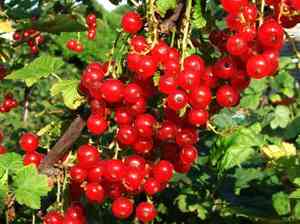
Currants (Ribes) (Ribes)
Also known as: Currant, Gooseberry
Cultivating currants in your garden offers numerous advantages. These resilient plants can thrive in both dry and shady conditions, making them versatile for different garden settings. Currants are especially valued for their edible fruit, which is rich in vitamins and antioxidants. Additionally, they enhance the aesthetic appeal of your garden with their attractive foliage and colorful berries throughout the seasons. They require minimal maintenance once established, making them a practical choice for gardeners. However, it's important to avoid overwatering, as currants are sensitive to excessive moisture.
In This Article
Attributes of Currants (Ribes)
Lifespan
Perennial
Plant Height
0.5 to 3 meters
Spread
1 to 2 meters
Leaf Color
Green
Flower Size
0.3 to 0.5 centimeters
Flower Color
White, Pink, Red, Green
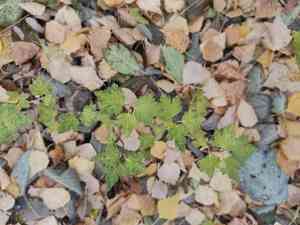
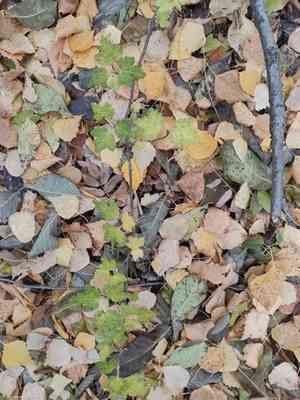
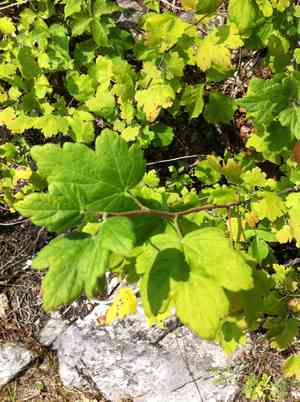
Images of Currants (Ribes)

Quickly Identify Currants (Ribes)
1
Ribes plants often have simple, lobed leaves and bear fruit in clusters. The flowers are usually small, tubular, and may be white, pink, red, or green. Common identification points include the type of lobing on the leaves, the color and form of the flowers, and the nature of the fruit, which can be juicy or dry.
Scientific Classification of Currants (Ribes)
Phylum
Magnoliophyta
Class
Magnoliopsida
Order
Saxifragales
Family
Grossulariaceae
Genus
Ribes
Planting and Growing of Currants (Ribes)
Care Difficulty
Moderate
Watering Schedule
Every 4 days
Sunlight Requirements
Full sun
Sunshine Duration
6-10 hours
Ideal Temperature
60-75℉
Soil Type
Potting Mix, Peat Mix
Soil pH
6.5-7.5
Fertilizer Type
Balanced
Pruning Season
Spring, Summer
Pruning Area
Branches, Leaves
Pruning Frequency
Once a year
Repotting Season
Spring
Pot Type
Ceramic, Plastic
 How to Water Currants (Ribes)?
Ribes plants need a thorough soaking to ensure that the roots receive adequate moisture. Ensure water penetrates evenly through the soil to reach the root system, without leaving any patches dry. Stick to about 500 ml per watering session, adjusting slightly depending on soil type and climate conditions.
What are the symptoms of an underwatered Currants (Ribes)?
›
What should I do if my Currants (Ribes) is not getting enough water?
›
What are the symptoms of an overwatered Currants (Ribes)?
›
How to save an overwatered Currants (Ribes)?
›
 What Are the Sunlight Requirements for Currants (Ribes)?
Ribes flourish in both full and partial sunlight settings, benefiting from at least 5 to 8 hours of sunlight daily. Ideal lighting supports abundant fruit production and prevents the adverse outcomes associated with extreme shade or direct light.
What is the ideal sunlight exposure for Ribes?
›
What solutions can help achieve ideal lighting for Ribes?
›
What benefits arise from optimal lighting for Ribes?
›
 What Is the Ideal Temperature Range for Currants (Ribes)?
The ideal temperature range for Ribes is between 60°F and 75°F. This range provides optimal conditions for growth and fruit production. Temperatures within this range ensure that the plant's physiological processes, such as photosynthesis and respiration, occur efficiently, leading to healthy and vigorous development. Consistency in temperature also helps in maintaining the plant's overall health and productivity.
 What Soil is Best for Currants (Ribes)?
Ribes plants thrive in well-drained soils that prevent waterlogging. Proper drainage ensures that the roots are not sitting in water, which reduces the risk of root rot and promotes healthy growth. These plants benefit greatly from soils enriched with organic matter. The added nutrients in the soil support vigorous plant growth and fruit production, providing the necessary sustenance for a healthy Ribes plant. Ribes require consistent soil moisture to perform their best. Ensuring the soil remains moist but not soggy helps maintain steady growth rates and maximizes the production of flavorful fruits.
 How to Fertilize Currants (Ribes)?
Ribes plants, known for their vibrant tart berries, require careful fertilization. A balanced approach using 5 grams of fertilizer per square meter is optimal during the growing season. Ensure to adjust the amount according to soil fertility and plant health.
 How to Prune Currants (Ribes)?
Start by removing any dead or damaged wood. Deadwood is usually easy to spot as it may be discolored or brittle. Removing it helps improve air circulation and light penetration. For optimal growth, make cuts just above healthy buds or leaves. This encourages new, strong growth from these points and helps maintain a tidy plant structure. Thin out any overcrowded branches to prevent excessive shading and promote better fruit production. Focus on removing branches that cross or rub against each other. Shape your Ribes plant by cutting back overly long stems and maintaining an open, goblet shape. This not only keeps the plant attractive but also enhances fruiting by improving light and air access.
 How to Propagate Currants (Ribes) plant?
1
Mix a well-draining soil medium using peat and perlite for Ribes seeds and cuttings. The soil should be slightly acidic, aiming for a pH between 5.5 and 6.5.
2
Select healthy stems from the Ribes plant that are about 4-6 inches long. Remove any lower leaves and dip the cut end in rooting hormone to enhance root development.
3
For layering, bend a low-growing branch to the ground and cover a portion of it with soil, leaving the tip exposed. Secure it with a wire or rock, and roots should form in a few months.
 How to Repot Currants (Ribes) plant?
1
For Ribes plants, the best time to repot is when you notice roots emerging from the drain holes or if growth seems stunted. Spring is ideal as the plant is entering its active growth phase, allowing roots to establish quickly. Avoid repotting during flowering or fruiting to prevent shock.
2
Select a pot that is slightly larger than the current one, ideally 1-2 inches in additional diameter. This gives roots room to expand without overwhelming the plant. Ensure the pot has adequate drainage holes to prevent waterlogging.
3
Opt for a well-draining loamy soil to enhance root growth and prevent compacted roots. This type of soil retains adequate moisture while providing necessary aeration, crucial for the overall health of the Ribes plant.
Learn More About Currants (Ribes) Diseases
Anthracnose
Bacterial Leaf Spot
Crown Gall
Damping-off
Downy Mildew
Drought Stress
Fusarium Wilt
Gray Mold
Leaf Curl
Leaf Spot
Mosaic
Nutrient Deficiency
Nutrient Toxicity
Powdery Mildew
Root Rot
Root-knot Nematode
Rusts
Sooty Mold
Spider Mites
Temperature Stress
Thrips Damage
White Mold
Chemical Injury

