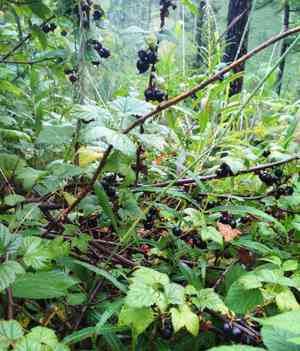
Black currant (Ribes nigrum)
Also known as: European black burrant, Black gooseberry
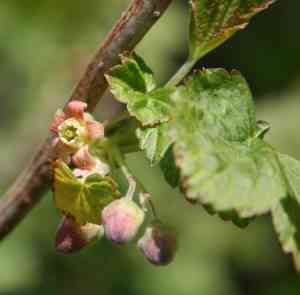
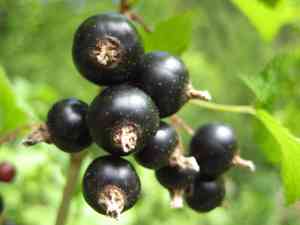
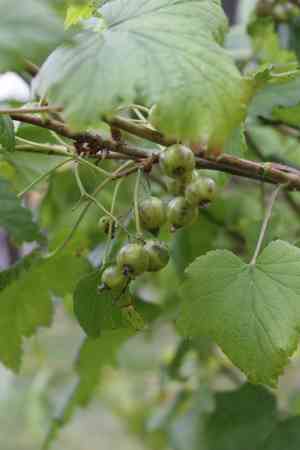
Black currant (Ribes nigrum) is a deciduous shrub that typically grows between 91 and 152 cm in height. It produces drooping clusters of green flowers with red tips from spring to summer. The dark purple to black berries, which ripen in late summer (July to August), can be consumed fresh or used in cooking. Unlike red currants, black currants have leaves with a distinct, strong aroma. The plant thrives in full sun to partial shade.
In This Article
Attributes of Black currant
Lifespan
Perennial
Plant Type
Shrub
Plant Height
1.5 m
Spread
1.5 m
Leaf Color
Green
Flower Size
8 mm
Flower Color
Green Yellow
Images of Black currant
Quickly Identify Black currant
1
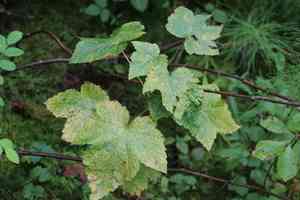
Blackcurrant can be identified by its deeply lobed leaves, which are aromatic when crushed, and its clusters of hanging, dark purple to black berries. The shrub typically has a bushy growth habit with multiple woody stems.
Scientific Classification of Black currant
Phylum
Vascular plants
Class
Dicotyledons
Order
Saxifrages, stonecrops and allies
Family
Currant
Genus
Currants
Species
Black currant
Planting and Growing of Black currant
Care Difficulty
Easy
Watering Schedule
Every 8 days
Sunlight Requirements
Full sun
Sunshine Duration
4-6 hours
Ideal Temperature
59-77℉
Soil Type
Potting Mix, Peat Mix
Soil pH
6.5-7.5
Fertilizer Type
Balanced
Pruning Season
Spring, Summer
Pruning Area
Branches, Leaves
Pruning Frequency
2 times a year
Repotting Season
Spring
Pot Type
Plastic, Ceramic
 How to Water Black currant?
For Ribes nigrum, adequate watering amounts to ensuring the soil is moist but not waterlogged. The soil should feel damp to the touch, never dry, with about 250 ml of water per session as a guideline. This amount ensures roots receive enough hydration without drowning the plant, promoting healthy growth.
More About Watering Techniques→
What are the symptoms of an underwatered Black currant?
›
What should I do if my Black currant is not getting enough water?
›
What are the symptoms of an overwatered Black currant?
›
How to save an overwatered Black currant?
›
 What Are the Sunlight Requirements for Black currant?
Ribes nigrum performs optimally in full sun to partial sun, with 6 to 8 hours of light. This range supports vigorous growth and high fruit yield, ensuring the plant's overall health and productivity.
More About Sunlight Requirements Techniques→
How much sun does Ribes nigrum need?
›
What are the solutions for achieving ideal light conditions?
›
What are the benefits of ideal lighting for Ribes nigrum?
›
 What Is the Ideal Temperature Range for Black currant?
For Ribes nigrum, the ideal temperature range is between 59°F and 77°F. This range provides the necessary warmth to promote healthy growth and fruiting while avoiding stress that may occur at higher temperatures.
 What Soil is Best for Black currant?
Black currants thrive in well-drained soil, which prevents root rot by allowing excess water to escape. Ensuring good drainage is vital for root health and overall plant vigor, resulting in lush growth and bountiful fruit production. This plant prefers soil that retains moisture but is not waterlogged. Such conditions help maintain a consistent moisture level, critical for the development of juicier and sweeter berries, enhancing fruit quality. Ribes nigrum benefits from soil rich in organic matter, which provides essential nutrients and supports microbial life. This leads to improved soil structure and fertility, fostering robust plant growth and resistance to disease.
More About Soil→
 How to Fertilize Black currant?
When fertilizing Ribes nigrum, it is crucial to balance nutrients carefully. Use approximately 30 grams of a balanced granular fertilizer per plant once per application. For liquid fertilizers, apply a diluted solution at half the recommended strength to avoid burning the roots.
More About Fertilizing Techniques→
 How to Prune Black currant?
Ribes nigrum, known for its delicious black currants, thrives with regular pruning which encourages better air circulation and allows sunlight to reach inner branches. Start by removing dead or diseased wood to prevent the spread of pests and diseases. Trim the older wood to stimulate new growth and increase your yield of vibrant berries. Maintain a balanced structure by selectively thinning out branches, ensuring an open and airy bush that not only looks aesthetically pleasing but also produces healthy fruit.
More About Pruning Techniques→
 How to Propagate Black currant plant?
1
Start by soaking Ribes nigrum seeds in water for 24 hours to soften the seed coat. This process enhances germination rates by allowing moisture penetration and activating enzymes necessary for growth.
2
Select healthy stems from an established Ribes nigrum plant during early spring. Using pruning shears, make clean cuts of 10-15 cm length, ensuring at least two nodes per cutting to promote root formation.
3
For layering propagation, select a flexible branch from the Ribes nigrum plant. Bend it to the ground and cover a portion of the stem with soil, leaving the tip exposed. Secure it with a U-shaped pin to encourage rooting.
 How to Repot Black currant plant?
1
Repot your Ribes nigrum when you notice signs such as roots outgrowing the pot, water not penetrating properly, or the plant's growth being stunted. These signals typically indicate that your plant requires more space to thrive. Early spring or late autumn, when the plant is least active, are ideal times for this process.
2
Select a pot that's 2 inches wider in diameter than the current one. This increment allows sufficient space for root expansion without overwhelming the plant. A pot with drainage holes is essential to prevent waterlogging, ensuring the roots get air. A ceramic or clay pot improves stability while keeping the root environment well-aerated.
3
Use a soil mix that's rich in organic matter, and well-aerated like loam, which maintains moisture yet drains well. This combination nurtures the plant's roots, helping it to absorb essential nutrients effectively, promoting robust growth. The right soil can also reduce the frequency of diseases which thrive in waterlogged environments.



