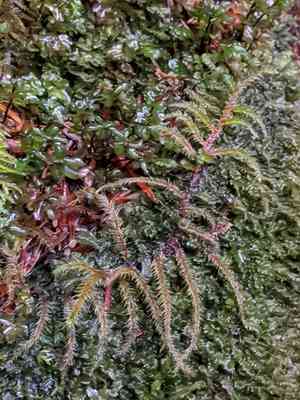
Little shaggy-moss (Rhytidiadelphus loreus)
Also known as: Lanky moss
Feather Moss (Pleurozium schreberi) is a resilient, shade-loving moss that often carpets forest floors. It features feathery, horizontally spreading fronds that form thick, lush green mats. The moss's shoots, which are irregularly branched, can grow to considerable lengths. It thrives in moist, acidic soils and plays a crucial role in its ecosystem by providing habitat for small invertebrates and aiding in the nutrient cycling of the forest.
In This Article
Attributes of Little shaggy-moss
Lifespan
Perennial
Plant Type
Moss
Plant Height
Up to 15 cm
Spread
Not applicable
Leaf Color
Light green to golden-yellow
Flower Size
Not applicable
Flower Color
Not applicable
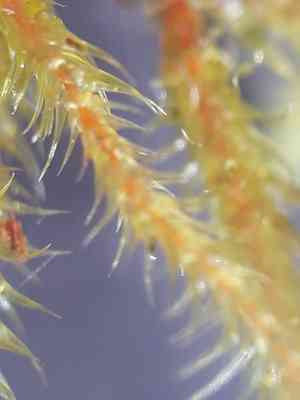
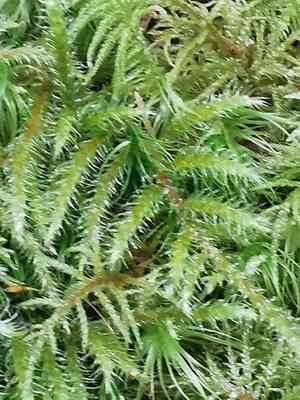
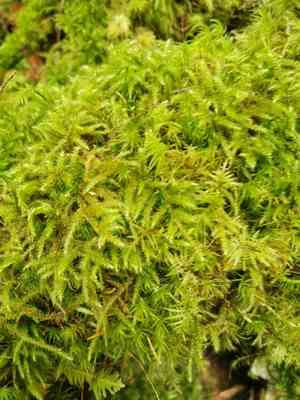
Images of Little shaggy-moss
Quickly Identify Little shaggy-moss
1
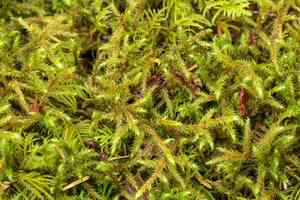
Rhytidiadelphus loreus can be identified by its long, trailing stems and feather-like, light green to golden-yellow leaves. The leaves are typically curved and have a pointed tip.
Scientific Classification of Little shaggy-moss
Phylum
Mosses
Class
True mosses
Order
Hypnales
Family
Hylocomiaceae
Genus
Goose neck moss
Species
Little shaggy-moss
Planting and Growing of Little shaggy-moss
Care Difficulty
Moderate
Watering Schedule
Every 4 days
Sunlight Requirements
Partial sun
Sunshine Duration
6-10 hours
Ideal Temperature
50-70℉
Soil Type
Potting Mix, Peat Mix
Soil pH
6.5-7.5
Fertilizer Type
Balanced
Pruning Season
Spring, Summer
Pruning Area
Branches, Leaves
Pruning Frequency
2 times a year
Repotting Season
Spring
Pot Type
Plastic, Ceramic
 How to Water Little shaggy-moss?
For Rhytidiadelphus loreus, ensuring the right amount of water is crucial for its health. Water should be applied until the soil is thoroughly moist but not waterlogged, avoiding stagnant water at the bottom of the pot. This equates to roughly 250ml each time, gauging this quantity ensures the fern stays plush and verdant.
What are the symptoms of an underwatered Little shaggy-moss?
›
What should I do if my Little shaggy-moss is not getting enough water?
›
What are the symptoms of an overwatered Little shaggy-moss?
›
How to save an overwatered Little shaggy-moss?
›
 What Are the Sunlight Requirements for Little shaggy-moss?
Rhytidiadelphus loreus thrives best in partial sun with ample shaded intervals. The ideal light range ensures optimal photosynthesis and growth without risking damage from overly bright conditions.
What are the ideal lighting conditions?
›
How can you achieve ideal lighting conditions?
›
What are the benefits of ideal lighting conditions?
›
 What Is the Ideal Temperature Range for Little shaggy-moss?
The ideal temperature range for Rhytidiadelphus loreus is typically between 50°F and 70°F. This range provides a balance of warmth and moisture that supports the moss's natural habitat conditions, ensuring optimal physiological functions such as photosynthesis and nutrient uptake. Maintaining this range helps in promoting lush and healthy growth.
 What Soil is Best for Little shaggy-moss?
Rhytidiadelphus loreus thrives in moisture-retentive soils that ensure consistent hydration. Moist environments help the plant maintain lush and vibrant foliage, crucial for its growth and reproduction. While preferring moisture, the soil must also offer excellent drainage. Effective drainage prevents waterlogging, which can lead to root rot and other detrimental effects on the plant's health. Rich in organic material, the soil should provide abundant nutrients for optimal growth. The decomposing organic matter releases nutrients that sustain long-term health and vitality.
 How to Fertilize Little shaggy-moss?
For Rhytidiadelphus loreus, it's best to use a balanced fertilizer, diluted to half strength, when applying liquid fertilizers. For slow-release fertilizers, follow the instructions on the package. Over-fertilizing can cause harm, so it's crucial to be precise with the amounts used.
 How to Prune Little shaggy-moss?
Choose a calm, dry day in spring or summer when the plant is actively growing. This timing enables the plant to recover quickly and promotes vigorous regrowth. Start by eliminating any dead, damaged, or diseased fronds. Cut these pieces back to the base to encourage healthier growth and prevent decay. Trim any overly long or unruly fronds to maintain the desired shape of the plant. Make cuts just above leaf nodes to encourage lateral growth and create a fuller appearance. Thin out the interior of dense plants to increase airflow. Better air circulation reduces the risk of fungal diseases and improves the overall vitality of Rhytidiadelphus loreus.
 How to Propagate Little shaggy-moss plant?
1
Before dividing Rhytidiadelphus loreus, water the plant thoroughly a day before to loosen the soil. This makes it easier to remove the plant from the ground with minimal root disturbance.
2
Gently dig around the plant and lift it from the ground. Use your hands or a trowel to carefully separate the plant into smaller sections, ensuring each has a good amount of roots attached.
3
Immediately replant the divided sections into moist, well-draining soil. Space them appropriately to allow for growth and water them after planting to help them establish.
 How to Repot Little shaggy-moss plant?
1
Spotting the right time to repot Rhytidiadelphus loreus involves observing a few essential cues: if you notice the moss is becoming overly dry despite regular watering, or if the growth appears stunted and roots are protruding from the container, it’s time to consider repotting. The growth cycle’s peak in early Spring is ideal for this task, making it the best time for the plant to adjust and thrive in its new home.
2
Selecting the perfect pot for Rhytidiadelphus loreus demands attention to both size and material. Opt for a slightly larger pot than the current one to give the roots room to expand, but not so large that the soil remains excessively wet. A pot with sufficient drainage holes ensures excess moisture can escape, helping to prevent root rot, a common issue with poorly drained containers.
3
The soil mix for Rhytidiadelphus loreus should be crafted to mimic its natural conditions—acidic, well-drained, and consistently moist. Using a combination of peat moss, perlite, and a touch of sand can achieve the desired texture and pH level. This mixture provides a comfortable environment, encouraging healthy growth and preventing waterlogging that could suffocate the roots.

