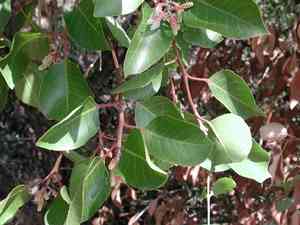
Sugar Bush(Rhus ovata)

Sugar Bush (Rhus ovata)

Also known as: Sugar Bush

The Toyon (Heteromeles arbutifolia) is a hardy plant often found in canyons and chaparral landscapes. Known for its fire resistance and ability to thrive in drought conditions, this plant features aromatic leaves and produces vibrant red berries.

Attributes of Sugar Bush

Lifespan
Perennial
Plant Type
Shrub
Plant Height
2 m to 10 m
Spread
1.2 m to 3 m
Leaf Color
Green
Flower Size
2.5 cm
Flower Color
White Pink

PlantJoy - Identify plants with a snap

Identify and diagnose plants, get toxicity alerts, and explore safety guides for all types of fungi.

Try for Free

Images of Sugar Bush

Sugar Bush(Rhus ovata)

Quickly Identify Sugar Bush

1
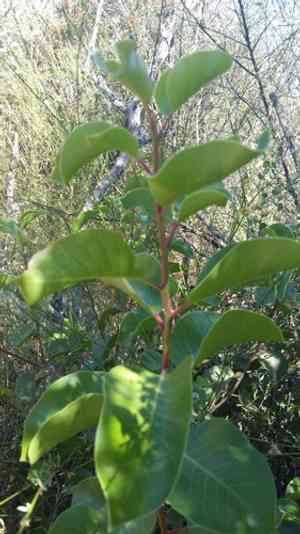
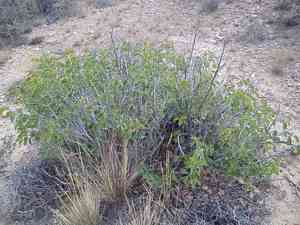
Evergreen shrub reaching 8-12 feet (2.4-3.7 meters) with stout trunks and spreading branches.
2
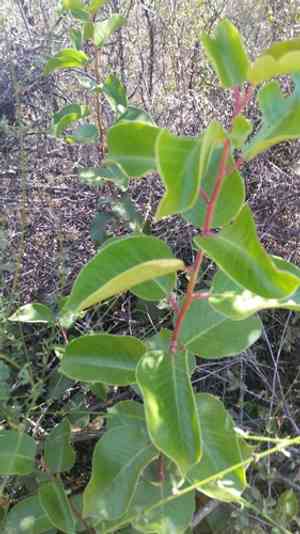
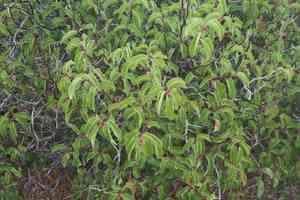
Glossy dark green leaves with smooth edges, folded slightly at the midrib, often with a maroon to pink tint.
3
Clustered small flowers at branch tips in March to May, white to rose-pink with dark reddish bracts.
4
Fruit is a reddish-brown down-covered drupe with a hard stone about 1/4 inch (6 mm) in size.

Scientific Classification of Sugar Bush

Phylum
Vascular plants
Class
Dicotyledons
Order
Sapindales
Family
Cashew
Genus
Sumacs
Species
Sugar Bush

Planting and Growing of Sugar Bush

Care Difficulty
Easy
Watering Schedule
Every 4 days
Sunlight Requirements
Full sun
Sunshine Duration
4-6 hours
Ideal Temperature
60-80℉
Soil Type
Potting Mix, Peat Mix
Soil pH
6.5-7.5
Fertilizer Type
Balanced
Pruning Season
Spring, Summer
Pruning Area
Branches, Leaves
Pruning Frequency
2 times a year
Repotting Season
Spring
Pot Type
Plastic, Ceramic

water icon How to Water Sugar Bush?

Rhus ovata, also known as sugar bush, thrives with a moderate yet consistent watering schedule. Ideally, water until the soil is moist but not waterlogged, approximately 250 milliliters per session, ensuring the water penetrates the root zone without causing standing water.
What are the symptoms of an underwatered Sugar Bush?
What should I do if my Sugar Bush is not getting enough water?
What are the symptoms of an overwatered Sugar Bush?
How to save an overwatered Sugar Bush?

sunlight icon What Are the Sunlight Requirements for Sugar Bush?

Sunlight Requirements: Full sun, Partial sun
Duration of light: 6 to 8 hours
Rhus ovata prefers full sun to partial sun environments. Ideal sunlight promotes vibrant foliage and robust growth, enhancing both health and aesthetic appeal in the landscape.
What is the ideal light exposure for Rhus ovata?
How to achieve the optimal lighting conditions?
What benefits does ideal light exposure provide?
More About Sunlight Requirements Techniques

temperature icon What Is the Ideal Temperature Range for Sugar Bush?

Ideal Temperature: 60 ~ 80℉
The ideal temperature range for growing Rhus ovata, also known as sugar bush, is between 60°F and 80°F. This range provides a warm and stable environment that mimics their natural habitat, allowing for optimum growth. When temperatures are within this range, Rhus ovata can maintain adequate physiological processes, ensuring robust development and health.

soil icon What Soil is Best for Sugar Bush?

Soil type: Loam, Sandy loam, Calcareous soil
Soil PH: 6.5 ~ 7.5
Rhus ovata thrives in well-drained soil, ensuring that water does not accumulate and drown the roots. This characteristic is crucial for the plant's health as it prevents root rot, allowing the roots to breathe and absorb nutrients efficiently. The plant prefers soil with moderate fertility. This ensures it gets enough nutrients without excessive growth, which can make it prone to pests. Balanced fertility promotes robust growth and vibrant foliage. Rhus ovata can tolerate slightly alkaline soils, allowing it to thrive in areas where the soil may have higher pH levels. This adaptability makes it easier to cultivate in various regions without major soil amendments.

fertilize icon How to Fertilize Sugar Bush?

Fertilizer type: Balanced
Rhus ovata, also known as sugar bush, typically requires minimal fertilization. However, during its growing season, it benefits from a balanced 10-10-10 liquid fertilizer. Use approximately one tablespoon per plant mixed with a gallon of water for best results every month.

prune icon How to Prune Sugar Bush?

Pruning Time: Spring, Autumn
Begin by removing any dead or dying branches. These can often harbor pests or diseases that may spread to healthy parts of the plant. For Rhus ovata, aim to maintain its natural, rounded dome shape. Gently trim back long extensions, keeping the balance and symmetry of the shrub. While pruning, assess how air flows through the plant. Prune away dense areas in the inner canopy to improve airflow, reducing the risk of fungal diseases. More About Pruning Techniques

propagate icon How to Propagate Sugar Bush plant?

Propagate Time: Spring, Early summer
1
Collect seeds from ripened Rhus ovata fruits, clean them to remove pulp, and dry them. It's important to conduct a germination test to ensure seed viability before sowing.
2
Fill seedling trays with a well-draining potting mix. Sow the seeds lightly covered with soil. Ensure the soil remains moist but not waterlogged during the germination period.
3
Select healthy, softwood stems during early summer for cuttings. Use sterilized pruning shears to cut 4-6 inch long pieces. Remove leaves from the lower half to prevent rot.
More About Propagating Techniques

repot icon How to Repot Sugar Bush plant?

Repotting frequency: Every 2-3 years
1
Rhus ovata signals the need for repotting when its roots begin to grow out of the drainage holes of its pot or when you notice slow growth even during the growing season. The best time to repot is during spring or early summer when the plant is in its active growth phase, allowing it to quickly establish itself in its new environment.
2
Select a pot that is one size larger than the current one and has adequate drainage holes. This prevents waterlogging, which can lead to root rot, while giving the roots enough space to expand and promote healthy growth. A ceramic or terracotta pot is ideal as it allows for better air circulation.
3
Opt for a well-draining cactus mix. This type of soil ensures proper drainage, which is crucial for Rhus ovata, as excessive moisture can lead to root decay. The soil should also be slightly acidic to neutral, which aids in nutrient absorption and promotes robust growth.

PlantJoy - Identify plants with a snap

Find the best spots for them to optimize their health, simply using your phone.

Try for Free

Toxicity of Sugar Bush

Is Sugar Bush toxic to humans?

The Sugar Bush is generally not classified as a toxic plant; however, certain sources indicate that its sap might cause issues for individuals who are allergic to it. There are unverified claims suggesting that the Sugar Bush possesses urushiol, a chemical irritant with allergenic characteristics found in plants like Poison Ivy. This specific compound has the potential to induce mild to severe skin irritations in some individuals who come into contact with the plant. Symptoms associated with skin irritation may include redness, rashes, blisters, and a burning sensation. Such reactions are likely to manifest primarily in those who are allergic to this species, so it might be prudent to wear protective clothing when handling it.

Identify toxic plants for your safety

Learn which plants are harmful to you and your pets, and make informed choices for a safer home!

Try for Free
WARNING
The judgment on toxicity and danger is for reference only. We DO NOT GUARANTEE any accuracy of such judgment. Therefore, you SHALL NOT rely on such judgment. It is IMPORTANT TO SEEK PROFESSIONAL ADVICE in advance when necessary.
More About Toxic Techniques