Jetbead(Rhodotypos scandens)

Jetbead (Rhodotypos scandens)

Also known as: Black Jetbead, White Kerria, Rhodotypos

Black Chokeberry (Aronia melanocarpa) is a deciduous shrub that reaches a height of 91 to 183 cm. During spring and summer, it produces clusters of white flowers, creating an attractive display. In the fall, it develops glossy black berries that persist through winter. This shrub thrives in conditions ranging from full sun to partial shade.

Attributes of Jetbead

Lifespan
Perennial
Plant Type
Shrub
Plant Height
2 m to 5 m
Spread
1.8 m to 2.5 m
Leaf Color
Green
Flower Size
3 cm to 4 cm
Flower Color
White

ForwardPlant - Identify plants with a snap

Identify and diagnose plants, get toxicity alerts, and explore safety guides for all types of fungi.

Try for Free

Images of Jetbead

Jetbead(Rhodotypos scandens)

Quickly Identify Jetbead

1
Loosely branched mounded form, reaching up to 6 feet (1.8 meters) in height.
2
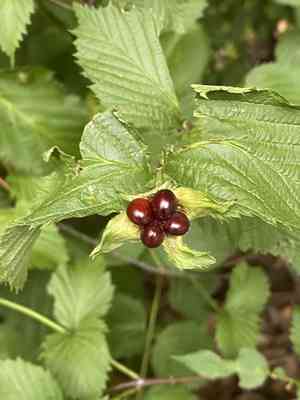
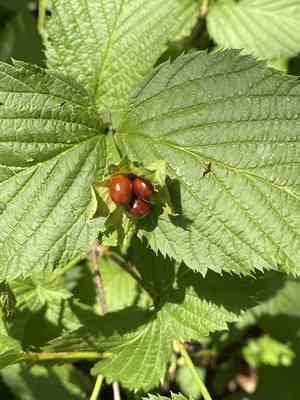
Bright green, opposite, ovate leaves with doubly serrated margins, 2.5-4 inches (6.5-10 cm) long.
3
Pristine white flowers with 4 petals, creating a star-like appearance, each petal around 2 inches (5 cm) wide.
4
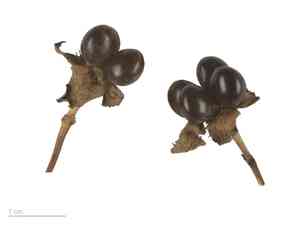
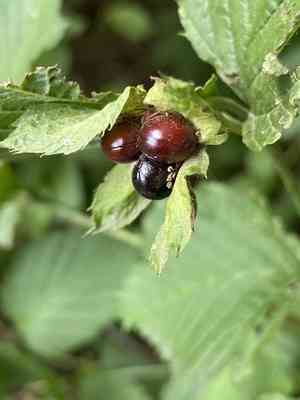
Glossy black drupe fruits, about 0.3 inches (7.6 mm) in diameter, found in clusters of three or four.
5
Smooth, initially green stem maturing to brown or reddish, 0.5-1 inch (1.3-2.5 cm) in diameter.

Scientific Classification of Jetbead

Phylum
Vascular plants
Class
Dicotyledons
Order
Roses, elms, figs, and allies
Family
Rose
Genus
Rhodotypos
Species
Jetbead

Planting and Growing of Jetbead

Care Difficulty
Easy
Watering Schedule
Every 3 days
Sunlight Requirements
Partial sun
Sunshine Duration
4-8 hours
Ideal Temperature
60-75℉
Soil Type
Potting Mix, Peat Mix
Soil pH
6.5-7.5
Fertilizer Type
Balanced
Pruning Season
Spring, Summer
Pruning Area
Branches, Leaves
Pruning Frequency
2 times a year
Repotting Season
Spring
Pot Type
Plastic, Ceramic

water icon How to Water Jetbead?

Rhodotypos scandens prefers soil that is consistently moist but not waterlogged. Aim to provide about 500 mL of water per session, ensuring an even soak that reaches the deeper roots. It's important to allow the top inch of soil to dry out slightly between watering to avoid root rot.
What are the symptoms of an underwatered Jetbead?
What should I do if my Jetbead is not getting enough water?
What are the symptoms of an overwatered Jetbead?
How to save an overwatered Jetbead?

sunlight icon What Are the Sunlight Requirements for Jetbead?

Sunlight Requirements: Partial sun, Full sun
Duration of light: 4 to 6 hours daily
Rhodotypos scandens thrives in partial sun to full sun environments. Ideal lighting boosts flowering, enhances leaf color, and strengthens the plant structure, making it a robust addition to the garden.
What is the best location for Rhodotypos scandens?
How can I ensure optimal sunlight for this plant?
What benefits arise from ideal lighting?
More About Sunlight Requirements Techniques

temperature icon What Is the Ideal Temperature Range for Jetbead?

Ideal Temperature: 60 ~ 75℉
The ideal temperature range for Rhodotypos scandens to thrive is between 60°F and 75°F. This range ensures optimal growth and flowering by providing a balanced environment that caters to the plant's metabolic processes. Maintaining this temperature range can help avoid stress and promote vigorous growth.

soil icon What Soil is Best for Jetbead?

Soil type: Loam, Sandy loam, Calcareous soil
Soil PH: 6.5 ~ 7.5
Rhodotypos scandens thrives in well-drained soil to prevent root rot. It benefits from a moderate moisture level, allowing roots to access necessary oxygen. The soil's drainage capacity ensures robust growth and vitality. This plant prefers nutrient-rich soil that supports its growth and flowering. Organic matter in the soil enhances fertility, providing essential nutrients that promote healthy foliage and an abundance of blooms. The plant requires soil that retains moderate moisture without becoming waterlogged. This characteristic ensures that the roots remain hydrated during dry periods whilst preventing fungal diseases that stem from excess water.

fertilize icon How to Fertilize Jetbead?

Fertilizer type: Balanced
Rhodotypos scandens benefits from a balanced fertilization approach that ensures adequate nutrients for optimal growth. When applying liquid fertilizer, using a half-strength, all-purpose liquid fertilizer, mix approximately 1 tablespoon per gallon of water. This should be sufficient to boost the plant’s vitality without overloading it.

prune icon How to Prune Jetbead?

Pruning Time: Spring, Summer
Begin pruning Rhodotypos scandens in early Spring before new growth starts or in late Spring after flowering. First, remove any dead, damaged, or diseased branches back to healthy wood. Cut these branches at a 45-degree angle to prevent water damage. Next, trim back any overly long branches to maintain the desired shape and size of the plant. Focus on creating an open center to increase air circulation and allow sunlight to penetrate evenly. Reduce crossing branches by cutting the weaker one back to its base, and thin out crowded areas to prevent congestion. Remember to clean your pruning tools between cuts to avoid spreading pathogens. More About Pruning Techniques

propagate icon How to Propagate Jetbead plant?

Propagate Time: Spring,Early spring
1
Collect mature seeds from the plant in early spring. Ensure they are dry and store them in a cool, dry place until you are ready to plant.
2
Select healthy stems for cuttings, making clean cuts just below a node. Remove the lower leaves and dip the cut ends in rooting hormone.
3
For division, carefully dig around the root system to expose the roots. Gently separate the roots into smaller sections, ensuring each section has a few stems connected.
More About Propagating Techniques

repot icon How to Repot Jetbead plant?

Repotting frequency: Every 2-3 years
1
Repot Rhodotypos scandens when you notice roots emerging from the drainage holes or if the growth has become stunted. Early spring or fall is ideal, as these seasons allow the plant to establish itself before the harsh conditions of summer or winter.
2
Select a pot slightly larger than the current one, with ample drainage holes to prevent waterlogging. A slightly larger pot encourages moderate root expansion and healthier growth by providing enough space without holding excess moisture.
3
Opt for a well-draining loamy soil mix to give the roots the aeration and drainage they need. This ensures the plant has access to nutrients without the risk of root rot, promoting vigorous health and growth.

ForwardPlant - Identify plants with a snap

Find the best spots for them to optimize their health, simply using your phone.

Try for Free

Toxicity of Jetbead

Is Jetbead toxic to humans?

The jetbead plant presents a significant toxicity risk to humans, mainly due to the ingestion of its fruit. This fruit contains amygdalin, a cyanogenic glycoside that has the potential to release cyanide upon digestion in the human body. Even minimal ingestion can result in severe poisoning incidents. The effects of poisoning are typically immediate and may manifest as breathing difficulties, dizziness, headaches, and, in severe cases, life-threatening respiratory failure. Given the seriousness of these symptoms, it is crucial to exercise caution, especially in areas where children or pets might have access to the plant, as they may be attracted to the fruit without understanding its dangers. The risk of accidental consumption of the jetbead's toxic fruit highlights the necessity for heightened awareness and preventive measures.

Is Jetbead toxic to cat?

Jetbead presents a significant toxicity hazard to cats. Ingesting its fruit, even inadvertently, can result in grave health complications since it contains Amygdalin, a cyanogenic glycoside recognized for its harmful properties. Signs of poisoning in cats may manifest as severe physical distress, encompassing breathing difficulties, seizures, and potential shock. Due to the seriousness of the toxicity, it is crucial that any suspicion of ingestion by a cat is promptly addressed by seeking immediate veterinary care.

Is Jetbead toxic to dog?

Jetbead presents a significant toxicity threat to dogs, especially when they inadvertently consume the plant. The most dangerous component of jetbead is its fruit, which harbors amygdalin, a cyanogenic glycoside recognized for its ability to release cyanide during metabolism. Dogs that consume any portion of the fruit may display alarming symptoms, including breathing difficulties, excessive panting, dilated pupils, and in severe cases, potential collapse caused by disruption of oxygen transport in the bloodstream. Due to the high toxicity levels linked to jetbead, it is essential for dog owners to keep their pets away from regions where this plant is found and to diligently remove any fallen fruit from their outdoor spaces. Should a dog be suspected of consuming jetbead, prompt veterinary intervention is vital for effective management of the poisoning.

Identify toxic plants for your safety

Learn which plants are harmful to you and your pets, and make informed choices for a safer home!

Try for Free
WARNING
The judgment on toxicity and danger is for reference only. We DO NOT GUARANTEE any accuracy of such judgment. Therefore, you SHALL NOT rely on such judgment. It is IMPORTANT TO SEEK PROFESSIONAL ADVICE in advance when necessary.
More About Toxic Techniques