
Rhododendron fortunei (Rhododendron fortunei)
Also known as: Fortune's Rhododendron, Fortune's Azalea
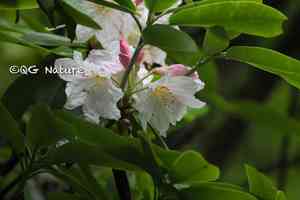
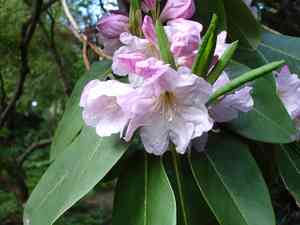
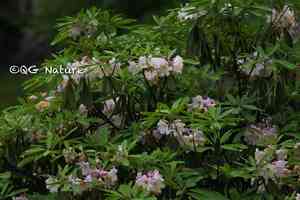
Rhododendron fortunei is a striking evergreen shrub known for its sizable, leathery leaves and clusters of bell-shaped flowers that range from pink to white. Blooming in spring, these flowers release a pleasant fragrance that draws in pollinators. This shrub, native to broadleaf woodlands, thrives in well-drained, acidic soils and prefers dappled sunlight for optimal growth. Its cold hardiness makes it a popular addition to temperate gardens.
In This Article
Attributes of Rhododendron fortunei
Lifespan
Perennial
Plant Type
Shrub
Plant Height
10 m
Spread
2.5 m
Leaf Color
Dark green
Flower Size
5 to 7 centimeters
Flower Color
Pink to white
Images of Rhododendron fortunei
Quickly Identify Rhododendron fortunei
1
Look for large, leathery leaves with a glossy upper surface and paler underside. The flowers are typically funnel-shaped, in shades of pink to white, and grouped in terminal clusters.
Scientific Classification of Rhododendron fortunei
Phylum
Vascular plants
Class
Dicotyledons
Order
Heathers and allies
Family
Heath
Genus
Azaleas
Species
Rhododendron fortunei
Planting and Growing of Rhododendron fortunei
Care Difficulty
Moderate
Watering Schedule
Every 2 days
Sunlight Requirements
Partial sun
Sunshine Duration
6-12 hours
Ideal Temperature
60-75℉
Soil Type
Potting Mix, Peat Mix
Soil pH
5.5-6.5
Fertilizer Type
Balanced
Pruning Season
Spring, Summer
Pruning Area
Branches, Leaves
Pruning Frequency
2 times a year
Repotting Season
Spring
Pot Type
Plastic, Ceramic
 How to Water Rhododendron fortunei?
Rhododendron fortunei thrives on a moderate amount of water, following the principle of keeping the soil evenly moist. It is essential to ensure that water penetrates the entire root ball without creating a soggy environment.
What are the symptoms of an underwatered Rhododendron fortunei?
›
What should I do if my Rhododendron fortunei is not getting enough water?
›
What are the symptoms of an overwatered Rhododendron fortunei?
›
How to save an overwatered Rhododendron fortunei?
›
 What Are the Sunlight Requirements for Rhododendron fortunei?
Rhododendron fortunei thrives best in partial sun to full shade, benefitting from around 4 to 6 hours of gentle sunlight. Ideal light levels sustain healthy leaf color, steady growth, and vibrant flowering.
How much sunlight does Rhododendron fortunei need daily?
›
Solutions for providing ideal lighting conditions?
›
Benefits of ideal lighting conditions?
›
 What Is the Ideal Temperature Range for Rhododendron fortunei?
The ideal temperature range for growing Rhododendron fortunei is between 60°F and 75°F. This range offers the best conditions for growth and flowering. Maintaining this temperature ensures the plant's metabolic processes work efficiently, promoting healthy foliage and vibrant blooms.
 What Soil is Best for Rhododendron fortunei?
Rhododendron fortunei thrives in well-drained soil, preventing root rot and promoting healthy growth. This type of soil ensures oxygen reaches the roots, vital for nutrient absorption. The plant prefers soil that retains moisture without becoming waterlogged. Moist soil supports continuous nutrient uptake, enhancing foliage vibrancy and bloom production. The presence of organic matter in soil enriches nutrient content and improves texture. This facilitates root development and provides a steady supply of natural minerals.
 How to Fertilize Rhododendron fortunei?
Rhododendron fortunei prefers a balanced fertilizer applied carefully at appropriate rates. For liquid fertilizer, use a half-strength solution typically designed for acid-loving plants. For granular slow-release fertilizer, use approximately 1-2 tablespoons per plant, ensuring that the granules are spread evenly around the root zone.
 How to Prune Rhododendron fortunei?
The best time to prune Rhododendron fortunei is just after the blooming season. This allows the plant to set buds for the next season while minimizing any stress. Start by removing any dead or diseased branches. Cut them back to where you see healthy wood. This supports healthier growth and prevents problems from spreading. To shape your Rhododendron fortunei, trim overgrown branches back to a lateral branch. This maintains its natural form and size without compromising its health. Thin out the interior of the shrub to improve air circulation. This helps prevent diseases and ensures sunlight reaches all parts of the plant.
More About Pruning Techniques→
 How to Propagate Rhododendron fortunei plant?
1
Select healthy branches and cut 4 to 6-inch sections just below a leaf node. Remove leaves from the lower section to prevent them from touching the rooting medium.
2
Dip the cut end of each cutting into a rooting hormone to promote root development. Ensure even coverage to maximize the root growth potential.
3
Insert the treated cuttings into a container filled with a moist, well-draining potting mix. Firm the soil around each cutting to ensure stability and adequate contact with the soil.
 How to Repot Rhododendron fortunei plant?
1
Look for signs such as roots growing out of the drainage holes or a noticeable slowdown in growth rate. These indicate it's time for Rhododendron fortunei to be repotted. Ideal timing is during spring or autumn, when the plant is naturally more resilient to change, ensuring healthier adaptation.
2
Select a pot that is only 1-2 inches larger in diameter than the current one. This size allows Rhododendron fortunei's roots to spread slightly without risking waterlogging from excess soil. The pot must have drainage holes, promoting optimal moisture balance.
3
Utilize an acidic, well-draining soil mix specially designed for acid-loving plants. This soil should contain organic matter, like pine bark or peat moss, which mimics the Rhododendron's natural habitat and promotes healthy root development.
Toxicity
ingestion, skin contact
WARNING
The judgment on toxicity and danger is for reference only. We DO NOT GUARANTEE any accuracy of such judgment. Therefore, you SHALL NOT rely on such judgment. It is IMPORTANT TO SEEK PROFESSIONAL ADVICE in advance when necessary.



