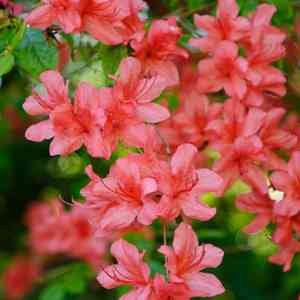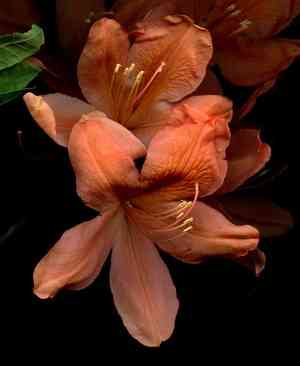
Flame azalea(Rhododendron calendulaceum)

Flame azalea (Rhododendron calendulaceum)

Also known as: Flame Azalea

The Flame Azalea, indigenous to the Appalachian region, features dark green leaves and blossoms in a spectrum of red, pink, orange, and gold hues. Its name is fitting due to its high flammability and the toxicity of all its parts to humans.

Attributes of Flame azalea

Lifespan
Perennial
Plant Type
Shrub
Plant Height
1.2 m to 4.5 m
Spread
1.2 m to 2.5 m
Leaf Color
Green Yellow Red
Flower Size
7 cm
Flower Color
Yellow Red Orange

PlantJoy - Identify plants with a snap

Identify and diagnose plants, get toxicity alerts, and explore safety guides for all types of fungi.

Try for Free

Images of Flame azalea

Flame azalea(Rhododendron calendulaceum)

Quickly Identify Flame azalea

1
Fiery-hued, candle flame-like flowers in loose trusses of vibrant yellow, orange, and red.
2
Medium green leaves, 1-3 inches (2.5-7.5 cm) long, elliptic to obovate, transitioning to yellow-red in fall.
3
Dry, dehiscent capsules, 0.5-0.6 inches (12-15 mm) long, initially green maturing to brown, oblong-linear shape in clusters.
4
Slender trunk with finely shredded bark of pale gray-brown hue, showcasing delicate nature in woodland environment.
5
Deciduous shrub with upright growth, reaches 4-8 feet (1.2-2.4 meters) tall and wide, woody stems with vibrant flowers.

Scientific Classification of Flame azalea

Phylum
Vascular plants
Class
Dicotyledons
Order
Ericales
Family
Heath
Genus
Azaleas
Species
Flame azalea

Planting and Growing of Flame azalea

Care Difficulty
Moderate
Watering Schedule
Every 4 days
Sunlight Requirements
Partial sun
Sunshine Duration
4-8 hours
Ideal Temperature
60-75℉
Soil Type
Potting Mix, Peat Mix
Soil pH
4.5-6
Fertilizer Type
Balanced
Pruning Season
Spring, Summer
Pruning Area
Branches, Leaves
Pruning Frequency
2 times a year
Repotting Season
Spring
Pot Type
Plastic, Terracotta

water icon How to Water Flame azalea?

When watering Rhododendron calendulaceum, it is important to let the soil dry slightly between waterings. Ensure the soil remains moist but not waterlogged, supplying approximately 500 milliliters each time. This amount allows the water to penetrate deeply, promoting strong root growth without drowning the plant.
What are the symptoms of an underwatered Flame azalea?
What should I do if my Flame azalea is not getting enough water?
What are the symptoms of an overwatered Flame azalea?
How to save an overwatered Flame azalea?
More About Watering Techniques

sunlight icon What Are the Sunlight Requirements for Flame azalea?

Sunlight Requirements: Partial sun
Duration of light: Four to six hours
Rhododendron calendulaceum benefits greatly from partial sun, which promotes healthy growth and blooming without the adverse effects of direct sunlight. This setting balances light exposure perfectly for optimal health.
What is the ideal sunlight exposure?
How to achieve ideal lighting conditions?
Benefits of receiving ideal sunlight
More About Sunlight Requirements Techniques

temperature icon What Is the Ideal Temperature Range for Flame azalea?

Ideal Temperature: 60 ~ 75℉
For Rhododendron calendulaceum, the ideal temperature range is between 60°F and 75°F. These temperatures foster optimal growth and blooming. Keeping the plant within this range helps maintain its vibrant colors and health, encouraging robust development and longevity.

soil icon What Soil is Best for Flame azalea?

Soil type: Loam, Acidic soil, Sandy loam
Soil PH: 4.5 ~ 6
Rhododendron calendulaceum thrives in acidic soils with a pH of 4.5 to 6.0. This acidity helps in nutrient availability, particularly iron and magnesium, essential for vibrant foliage. This plant prefers well-drained soil to prevent root rot. Loamy or sandy loam soils effectively facilitate water drainage, promoting healthy root systems. The plant benefits from nutrient-rich soils, providing essential minerals and organic matter to support robust growth and vibrant blooms. More About Soil

fertilize icon How to Fertilize Flame azalea?

Fertilizer type: Balanced
Rhododendron calendulaceum requires a balanced fertilization regimen for optimal growth. For liquid fertilizers, apply a diluted balanced formula at a rate of 1 tablespoon per gallon of water. Use sparingly to avoid root burn, ensuring the plant receives just enough nutrients without oversaturating the soil. More About Fertilizing Techniques

prune icon How to Prune Flame azalea?

Pruning Time: Spring, Summer
Analyze the natural shape of your plant. Rhododendron calendulaceum typically benefits from a rounded shape. Adjust your pruning strategy accordingly to enhance the plant's aesthetic and health. Begin by removing any suckers or water sprouts at the base of the plant. These unwanted stems can sap energy from the main plant, hindering its growth and flowering potential. To maximize flower production, it is ideal to prune immediately after the plant has finished flowering. This practice avoids cutting off next year's buds, allowing for a more bountiful display. More About Pruning Techniques

propagate icon How to Propagate Flame azalea plant?

Propagate Time: Spring, Late spring, Early spring
1
Collect seeds from mature Rhododendron calendulaceum plants in autumn, then store them in a cool, dry place. Stratify seeds by placing them in a refrigerator for 6-8 weeks to break dormancy before sowing in early spring.
2
Take semi-hardwood cuttings in late spring from the current year's growth. Ensure each cutting is about 6 inches long and removes leaves from the bottom half. Dip the cut end in rooting hormone.
3
In spring, choose a healthy, low-hanging branch. Bend it to the ground and make a small incision on the underside. Cover the section with soil and secure it with a pin until roots form.
More About Propagating Techniques

repot icon How to Repot Flame azalea plant?

Repotting frequency: Every 2-3 years
1
Observe for signs such as roots protruding from drainage holes, stunted growth, or soil that dries out quickly. These indicators suggest that the Rhododendron calendulaceum may require a larger pot to thrive better.
2
Choose a pot that is 1-2 inches larger in diameter than the current one, with adequate drainage holes. This provides space for root expansion and prevents waterlogging, essential for maintaining the health of Rhododendron calendulaceum.
3
Use a soil mix that is acidic and well-draining, such as one containing peat moss and perlite. This type of mix supports healthy root development and mimics the plant's natural mountain habitat.
More About Repotting Techniques

PlantJoy - Identify plants with a snap

Find the best spots for them to optimize their health, simply using your phone.

Try for Free

Toxicity of Flame azalea

Is Flame azalea toxic to humans?

Similar to many other species in the *Rhododendron* genus, flame azalea is a highly toxic plant that poses significant risks to humans if ingested. The effects of consuming any part of the plant can be severe and may even lead to fatal outcomes. Individuals who eat the plant or honey derived from it may encounter symptoms such as watery eyes, excessive drooling, abdominal pain, fatigue, diarrhea, nausea, and vomiting. In more extreme cases, symptoms may escalate to paralysis and coma. Foragers might mistakenly prepare and consume this plant, confusing it with a safe edible variety.

Is Flame azalea toxic to cat?

Flame azalea is identified as hazardous to felines. Cats might inadvertently consume various parts of the flame azalea, resulting in toxicity because every component of the plant is poisonous. After consumption, affected cats may show signs of physical discomfort, which can include gastrointestinal issues and potentially more severe systemic reactions. In these situations, it is crucial to seek urgent veterinary assistance to guarantee timely care and minimize the possibility of complications.

Is Flame azalea toxic to dog?

Flame azalea is recognized as toxic to dogs. Canines may inadvertently consume various parts of this plant, potentially causing poisoning. The entire plant, including its leaves, flowers, and stems, harbors poisonous substances that can jeopardize a dog's well-being. Should a dog ingest any portion of the flame azalea, it might show symptoms such as gastrointestinal distress, lethargy, excessive drooling, vomiting, diarrhea, or even more serious indications like depression or low blood pressure. It is essential for dog owners to vigilantly supervise their pets and restrict access to flame azalea. If ingestion is suspected, seeking immediate veterinary assistance is vital to address the poisoning effectively.

Identify toxic plants for your safety

Learn which plants are harmful to you and your pets, and make informed choices for a safer home!

Try for Free
WARNING
The judgment on toxicity and danger is for reference only. We DO NOT GUARANTEE any accuracy of such judgment. Therefore, you SHALL NOT rely on such judgment. It is IMPORTANT TO SEEK PROFESSIONAL ADVICE in advance when necessary.
More About Toxic Techniques