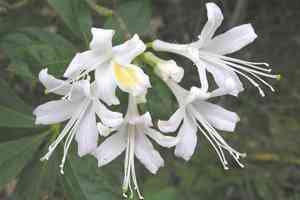
Rhododendron alabamense (Rhododendron alabamense)
Also known as: Alabama Azalea
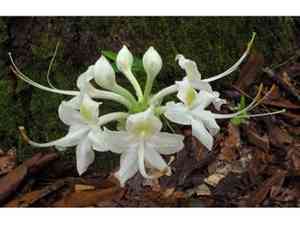
Rhododendron alabamense, commonly known as the Alabama Azalea, is a deciduous shrub native to the southeastern United States. It is well-known for its fragrant white to pale yellow flowers which often have a yellow blotch at the upper lobe.
In This Article
Attributes of Rhododendron alabamense
Lifespan
Rhododendron alabamense is a perennial plant
Plant Height
1 to 3 meters
Spread
Not available
Leaf Color
Green
Flower Size
3 to 4.5 cm
Flower Color
White to slightly pink with prominent yellow blotch
Images of Rhododendron alabamense
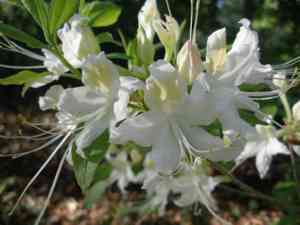
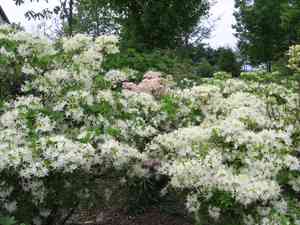
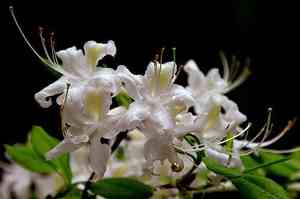
Quickly Identify Rhododendron alabamense
1
Identify this plant by its fragrant white flowers with a distinctive yellow spot and its smooth, elliptic leaves. It typically blooms in spring.
Scientific Classification of Rhododendron alabamense
Phylum
Magnoliophyta
Class
Magnoliopsida
Order
Ericales
Family
Ericaceae
Genus
Rhododendron
Planting and Growing of Rhododendron alabamense
Watering Schedule
Every 4 days
Sunlight Requirements
Partial sun
Sunshine Duration
4-8 hours
Ideal Temperature
65-75℉
Soil Type
Potting Mix, Peat Mix
Soil pH
5-6.5
Fertilizer Type
Balanced
Pruning Season
Spring, Summer
Pruning Area
Branches, Leaves
Pruning Frequency
2 times a year
Repotting Season
Spring
Pot Type
Plastic, Ceramic
 How to Water Rhododendron alabamense?
Rhododendron alabamense requires a careful balance when it comes to watering. Each watering should provide approximately 500 ml of water, ensuring the roots are fully saturated without creating a soggy environment. The goal is to achieve a moist, but not dripping wet soil, which allows the plant to absorb the necessary nutrients without risking root rot.
What are the symptoms of an underwatered Rhododendron alabamense?
›
What should I do if my Rhododendron alabamense is not getting enough water?
›
What are the symptoms of an overwatered Rhododendron alabamense?
›
How to save an overwatered Rhododendron alabamense?
›
 What Are the Sunlight Requirements for Rhododendron alabamense?
Rhododendron alabamense benefits from the light that resembles filtered sunlight through tree canopies, ideally between 3 to 5 hours a day. Providing this ensures the plant can photosynthesize efficiently, promoting healthy foliage and prolific blooming.
What is the ideal lighting condition for Rhododendron alabamense?
›
How can I achieve ideal lighting for my Rhododendron alabamense?
›
What benefits come from providing ideal lighting to Rhododendron alabamense?
›
 What Is the Ideal Temperature Range for Rhododendron alabamense?
Rhododendron alabamense thrives best in an environment where the temperature ranges between 65 to 75°F. This range ensures optimal growth and flowering as it mimics the plant's natural habitat conditions, which are typically mild with moderate humidity. Providing consistent temperatures within this range supports healthy photosynthesis and nutrient uptake.
 What Soil is Best for Rhododendron alabamense?
Rhododendron alabamense thrives in soil that retains moisture without becoming waterlogged. Well-drained soil helps prevent root rot and ensures that the roots receive enough oxygen, contributing to the plant’s overall health and vibrant flowering. Incorporating organic matter into the soil for Rhododendron alabamense fosters improved nutrient availability and soil structure. The organic matter breaks down over time, providing essential nutrients that support lush foliage and robust growth. A humus-rich substrate is beneficial for Rhododendron alabamense, as it provides a stable environment for roots and enhances moisture retention. This type of soil structure promotes a healthy root system, which is crucial for vigorous plant development and flowering.
 How to Fertilize Rhododendron alabamense?
For Rhododendron alabamense, it's important to apply the right amount of fertilizer to avoid stressing the plant. Typically, use about half to one pound of fertilizer per inch of the trunk's diameter for solid fertilizers. For liquid fertilizers, dilute to half the recommended strength to prevent nutrient burn.
 How to Prune Rhododendron alabamense?
Start by identifying any dead, diseased, or damaged branches. These are typically brown instead of the usual green hue and should be pruned away to encourage healthier growth. After removing the unhealthy parts, focus on shaping the plant. Trim back overgrown branches to maintain the desired shape, encouraging more balanced growth and better air circulation through the foliage. To encourage more flowering, prune just after the blooming period. Removing spent flowers, known as deadheading, will make room for new buds to form and result in an impressive display in the next blooming cycle.
 How to Propagate Rhododendron alabamense plant?
1
Begin by sowing Rhododendron alabamense seeds in a seed tray filled with a light and well-draining mix. Sow the seeds on the surface and gently press them into the soil without covering them, as they require light for germination. Keep the soil consistently moist but not waterlogged.
2
Select healthy and semi-hardwood stems of 4-6 inches for cuttings. Using sharp pruning shears, make a clean cut just below a node. Remove leaves from the lower half of the cutting, dip the cut end in rooting hormone, and plant in a well-drained propagation medium.
3
Choose a low, flexible branch of the Rhododendron alabamense and gently bend it towards the ground. Make a small incision on the underside of the stem, place it in contact with the soil, and cover with a layer of soil while securing it in place with a U-shaped pin. Ensure regular watering until roots develop.
 How to Repot Rhododendron alabamense plant?
1
Rhododendron alabamense signals its need for repotting when its roots become crowded and start coming out of the drainage holes, or when the plant appears to be top-heavy. These signs indicate that the plant's growth is restricted by its current pot, compromising its health and vigor.
2
Select a pot that is 1-2 inches larger in diameter than the current one. This extra space allows roots to grow without becoming waterlogged. Opt for terracotta or unglazed ceramic pots to enhance soil breathability. A properly chosen pot ensures adequate drainage and promotes healthy root aeration.
3
The ideal soil for Rhododendron alabamense should be acidic (pH 4.5-6), well-draining, and enriched with organic matter like pine bark or peat moss. This type of soil replicates its natural habitat, providing nutrients and moisture retention while preventing root rot.
Toxicity
ingestion
WARNING
The judgment on toxicity and danger is for reference only. We DO NOT GUARANTEE any accuracy of such judgment. Therefore, you SHALL NOT rely on such judgment. It is IMPORTANT TO SEEK PROFESSIONAL ADVICE in advance when necessary.

