Azaleas (Rhododendron)(Rhododendron)

Azaleas (Rhododendron) (Rhododendron)

Also known as: Azalea

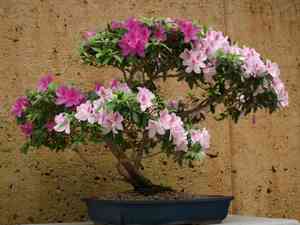
Azaleas, with their vibrant hues and delicate appearance, mark the start of spring in the southern United States. These flowers, which seem to hover gracefully, come in a spectrum of colors. The tradition of cultivating azaleas in the South began in the 19th century on a plantation in South Carolina. Today, their blooming is celebrated with various festivals and parades across southern states.

Attributes of Azaleas (Rhododendron)

Lifespan
Perennial
Plant Height
1.8 m to 3.5 m
Spread
1.8 m to 2.5 m
Leaf Color
Green, sometimes with hints of bronze or red
Flower Size
2.5 cm to 8 cm
Flower Color
Pink, white, red, purple, orange, and yellow

PlantJoy - Identify plants with a snap

Identify and diagnose plants, get toxicity alerts, and explore safety guides for all types of fungi.

Try for Free

Images of Azaleas (Rhododendron)

Azaleas (Rhododendron)(Rhododendron)

Quickly Identify Azaleas (Rhododendron)

1
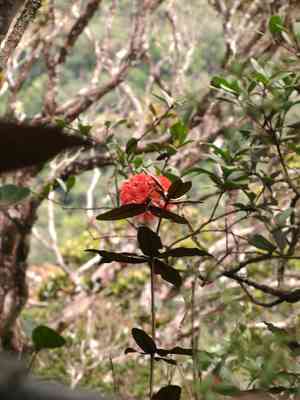
Rhododendrons can be identified by their large, showy, and often bell-shaped flowers. They have leathery, evergreen or deciduous leaves, which are typically arranged in a spiral. The flowers are usually clustered in terminal trusses.

Scientific Classification of Azaleas (Rhododendron)

Phylum
Tracheophyta
Class
Magnoliopsida
Order
Ericales
Family
Ericaceae
Genus
Rhododendron

Planting and Growing of Azaleas (Rhododendron)

Care Difficulty
Moderate
Watering Schedule
Every 4 days
Sunlight Requirements
Partial sun
Sunshine Duration
4-8 hours
Ideal Temperature
60-75℉
Soil Type
Potting Mix, Peat Mix
Soil pH
4.5-6
Fertilizer Type
Balanced
Pruning Season
Spring, Summer
Pruning Area
Branches, Leaves
Pruning Frequency
2 times a year
Repotting Season
Spring
Pot Type
Plastic, Ceramic

water icon How to Water Azaleas (Rhododendron)?

The watering for Rhododendrons should be thorough, allowing the soil to be evenly moist but not waterlogged. A sufficient watering amount would be approximately 500 milliliters per session, ensuring the roots are adequately hydrated without excess pooling. This keeps the soil consistently damp but prevents any stagnant water which could lead to root rot.
What are the symptoms of an underwatered Azaleas (Rhododendron)?
What should I do if my Azaleas (Rhododendron) is not getting enough water?
What are the symptoms of an overwatered Azaleas (Rhododendron)?
How to save an overwatered Azaleas (Rhododendron)?

sunlight icon What Are the Sunlight Requirements for Azaleas (Rhododendron)?

Sunlight Requirements: Partial sun, Full shade
Duration of light: 4-6 hours daily
Rhododendrons thrive in partial sun and full shade, where they receive dappled sunlight or morning sun for minimal hours. This lighting encourages lush blooms and maintains healthy leaves.
What is the ideal lighting condition for Rhododendrons?
How can you achieve the ideal lighting for Rhododendrons?
What are the benefits of providing ideal light to Rhododendrons?

temperature icon What Is the Ideal Temperature Range for Azaleas (Rhododendron)?

Ideal Temperature: 60 ~ 75℉
Why is it important to maintain an ideal temperature range for Rhododendron? Maintaining an ideal temperature range between 60°F and 75°F is crucial for the optimal growth of Rhododendrons. This range provides the right conditions for photosynthesis and nutrient absorption, promoting healthy flowering and foliage development.

soil icon What Soil is Best for Azaleas (Rhododendron)?

Soil type: Loam, Acidic soil, Sandy loam
Soil PH: 4.5 ~ 6
Rhododendrons thrive in well-drained soil that prevents waterlogging, which can cause root rot. This allows the roots to access oxygen, promoting healthy growth and vibrant blooms. While drainage is crucial, Rhododendrons benefit from soil that retains moisture. This ensures consistent hydration, supporting the plant during dryer conditions and avoiding wilting. Soils rich in organic matter provide essential nutrients and improve soil structure. This supports healthy Rhododendron growth and yields lush foliage and ample flowers.

fertilize icon How to Fertilize Azaleas (Rhododendron)?

Fertilizer type: Balanced
For Rhododendron, it's crucial to balance nutrition for its lush growth and vibrant blooms. Use a balanced 10-10-10 liquid fertilizer at half strength per application, approximately 1/2 cup per plant. Solid slow-release fertilizers should be applied at 1 cup per plant, mixed into the topsoil layer, ensuring deep nutrient penetration without overwhelming the root system.

prune icon How to Prune Azaleas (Rhododendron)?

Pruning Time: Spring, Summer, Autumn
Start by inspecting the plant carefully. Use sharp, clean pruning shears to remove any dead, diseased, or damaged branches. Cut back spent blooms to just above a leaf cluster or dormant bud to promote new growth. Avoid cutting into the woody base as it can harm the plant. Prune lightly to maintain shape without over-pruning, which can stress the plant.

propagate icon How to Propagate Azaleas (Rhododendron) plant?

Propagate Time: Early spring,Late spring,Early summer
1
Choose robust and disease-free parent plants for propagation. Healthy plants ensure that the cuttings or seeds have the best chance for successful growth and development.
2
Cut 4-6 inch segments from the semi-hardwood sections of the plant in early spring. Strip the lower leaves and dip the cut ends in rooting hormone to promote root growth.
3
Place the prepared cuttings in a well-draining mix, such as a combination of peat and perlite. Maintain moisture by covering with plastic or a propagator lid to create a mini-greenhouse effect.

repot icon How to Repot Azaleas (Rhododendron) plant?

Repotting frequency: Every 2-3 years
1
Rhododendrons signal the need for repotting when roots start crowding the pot or growing out of drainage holes. The best time to repot is at the beginning of their growing seasons in Spring or Autumn, when the plant is actively growing and can recover quickly.
2
Choosing a new pot for Rhododendrons involves finding one that is 2-3 inches larger in diameter than the current one to allow root expansion. Pots with good drainage holes are crucial as they prevent waterlogged conditions, which can cause root rot.
3
Opt for an acidic, well-draining soil mix with added organic matter. This provides a perfect balance of nutrients, ensuring the aeration and slight acidity that Rhododendrons thrive in. Such soil also mimics their natural forest floor environment.

PlantJoy - Identify plants with a snap

Find the best spots for them to optimize their health, simply using your phone.

Try for Free

Toxicity of Azaleas (Rhododendron)

Is Azaleas (Rhododendron) toxic to humans?

Azaleas are beautiful woody flowering plants; however, they possess a high level of toxicity that can be dangerous for both humans and animals.

Is Azaleas (Rhododendron) toxic to cat?

Azalea poisoning represents an urgent medical crisis for felines. The Rhododendron plant's leaves, twigs, and flowers harbor dangerous grayanotoxins. Initial symptoms of poisoning can manifest a few hours post-ingestion, including excessive drooling, vomiting, diarrhea, abdominal distension, and colic, which may progress to coma, cardiac failure, or even death.

Is Azaleas (Rhododendron) toxic to dog?

Every type of azalea (Rhododendron) is highly poisonous to dogs, and even a tiny quantity can be fatal. Each part of the plant poses a risk, and consuming it may initially result in vomiting and excessive drooling, which can progress to weakness, loss of vision, and potentially death. Should you suspect that your dog has ingested even a small number of leaves, immediate veterinary attention is crucial.


Identify toxic plants for your safety

Learn which plants are harmful to you and your pets, and make informed choices for a safer home!

Try for Free
WARNING
The judgment on toxicity and danger is for reference only. We DO NOT GUARANTEE any accuracy of such judgment. Therefore, you SHALL NOT rely on such judgment. It is IMPORTANT TO SEEK PROFESSIONAL ADVICE in advance when necessary.
More About Toxic Techniques