
Rose root (Rhodiola rosea)
Also known as: Golden root, Arctic root, Roseroot stonecrop
Rose root (Rhodiola rosea) is a hardy plant traditionally harvested in regions like Siberia and China. Known for its resilience, it thrives in cold climates and is often found in wild, rocky, and mountainous terrains. The plant features sturdy, wax-coated leaves and clusters of yellow flowers.
In This Article
Attributes of Rose root
Lifespan
Perennial
Plant Type
Herb
Plant Height
5 cm to 40 cm
Spread
30 cm
Leaf Color
Green
Flower Size
3 cm to 6 cm
Flower Color
Yellow Green Pink Red
Images of Rose root
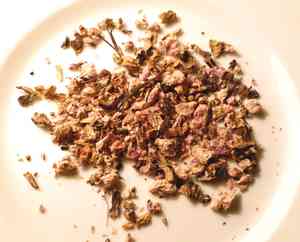
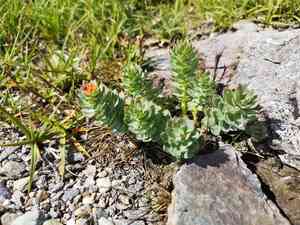
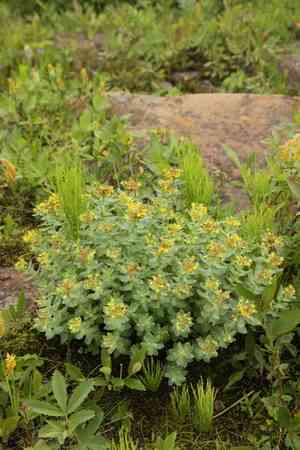
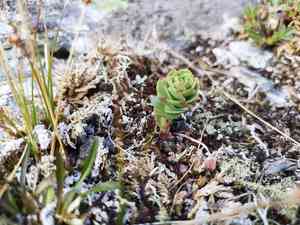
Quickly Identify Rose root
1
Rhodiola rosea can be identified by its thick rhizomes with a characteristic rose-like fragrance when cut. The leaves are fleshy, simple, and alternately arranged. The flowers are small, yellowish, and clustered at the ends of the stems.
Scientific Classification of Rose root
Phylum
Vascular plants
Class
Dicotyledons
Order
Saxifrages, stonecrops and allies
Family
Stonecrop
Genus
Stonecrops
Species
Rose root
Planting and Growing of Rose root
Care Difficulty
Easy
Watering Schedule
Every 2 days
Sunlight Requirements
Full sun
Sunshine Duration
6-10 hours
Ideal Temperature
60-70℉
Soil Type
Potting Mix, Peat Mix
Soil pH
6.5-7.5
Fertilizer Type
Balanced
Pruning Season
Spring, Summer
Pruning Area
Branches, Leaves
Pruning Frequency
2 times a year
Repotting Season
Spring
Pot Type
Terracotta, Plastic
 How to Water Rose root?
Rhodiola rosea requires moderate watering, typically around 150 ml per session. It's crucial to ensure the soil remains slightly moist but not waterlogged. Allow the top inch of soil to dry out between watering periods.
What are the symptoms of an underwatered Rose root?
›
What should I do if my Rose root is not getting enough water?
›
What are the symptoms of an overwatered Rose root?
›
How to save an overwatered Rose root?
›
 What Are the Sunlight Requirements for Rose root?
This plant flourishes under full sun to partial sun exposure. Ideal lighting enhances its ability to photosynthesize efficiently, leading to robust growth and an increased concentration of beneficial compounds.
More About Sunlight Requirements Techniques→
What are the optimal light conditions for Rhodiola rosea?
›
How can you ensure Rhodiola rosea gets the ideal lighting?
›
What benefits does ideal light bring to Rhodiola rosea?
›
 What Is the Ideal Temperature Range for Rose root?
The ideal temperature range for the growth of Rhodiola rosea typically falls between 60°F and 70°F. This temperature range is optimal as it mimics the cooler climates of its native alpine environment. Providing these conditions helps ensure healthy growth and optimal biochemical properties.
 What Soil is Best for Rose root?
Rhodiola rosea thrives in well-drained soil to prevent root rot. This requirement ensures that excess water drains away, maintaining soil aeration and preventing fungal diseases, leading to healthier plant growth. The plant benefits from moderately fertile soil as it provides essential nutrients without overloading. This balance helps in maintaining healthy growth and vibrant foliage, promoting longevity and resilience. While Rhodiola rosea needs well-drained soil, maintaining consistent moisture levels is vital. This requirement helps in supporting its growth cycles, preventing stress due to drought or overwatering.
 How to Fertilize Rose root?
For Rhodiola rosea, apply liquid fertilizer at half the recommended dose on the packaging. This avoids excess salts that might harm the plant while ensuring it receives adequate nutrients for growth.
 How to Prune Rose root?
Begin by removing any dead or decayed stems and leaves. This helps prevent the spread of disease and encourages new growth. Use clean, sharp scissors to make clean cuts at a slight angle, just above a healthy leaf node. Rhodiola rosea can benefit from shaping. Identify the tallest or most unruly stems and trim them back to maintain a rounded, bushy appearance. This not only enhances aesthetics but also helps light to penetrate throughout the plant, improving overall health.
More About Pruning Techniques→
 How to Propagate Rose root plant?
1
Collect fresh seeds and sow them in a well-draining seed-starting mix. Cover lightly with soil and maintain slight moisture until germination, which can take several weeks.
2
Select a healthy plant and use sterilized pruning shears to cut sections just below a node. Remove lower leaves and dip the cut end in rooting hormone to encourage root growth.
3
Carefully dig up the mature plant and use a clean knife to separate the root clumps. Ensure each division has at least one bud or growing shoot before replanting.
 How to Repot Rose root plant?
1
Rhodiola rosea typically needs repotting when its roots outgrow the current container or the soil becomes compacted and loses its ability to drain. Look for signs like roots protruding from the drainage holes or stunted growth as a cue to repot.
2
Select a pot that is one size larger than the current one, with adequate drainage holes. A slightly larger pot promotes healthy root growth and prevents waterlogging, which can lead to root rot. The material of the pot can be ceramic or plastic, depending on your preference for aesthetics or practicality.
3
Use a well-draining soil mix, ideally a blend of potting soil with coarse sand or perlite. This composition allows for sufficient airflow to the roots and prevents water retention, reducing the risk of root rot and ensuring healthier plant growth.
Learn More About Rose root Diseases
Anthracnose
Bacterial Leaf Spot
Bacterial Soft Rot
Chemical Injury
Crown Gall
Damping-off
Downy Mildew
Drought Stress
Fusarium Wilt
Gray Mold
Leaf Spot
Mosaic
Nutrient Deficiency
Nutrient Toxicity
Powdery Mildew
Root Rot
Root-knot Nematode
Rusts
Sooty Mold
Spider Mites
Temperature Stress
Thrips Damage
White Mold



