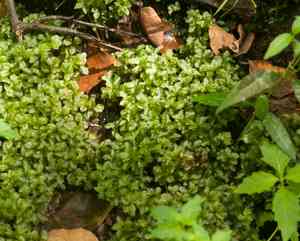
Appalachian rhizomnium moss (Rhizomnium appalachianum)
Also known as: None
In the moist, forested regions of the Appalachian Mountains, **Appalachian rhizomnium moss** is a common sight. Recognized by its dark green and plush leaves, this moss forms dense, sponge-like mats across the forest floor. The leaves are notably large for moss, with a ribbed texture and a slightly curved, tongue-like shape. Thriving in shaded, humid environments, often near streams, Appalachian rhizomnium moss serves as an indicator of a healthy woodland ecosystem.
In This Article
Attributes of Appalachian rhizomnium moss
Lifespan
Perennial
Plant Type
Moss
Plant Height
2-5 cm
Spread
Not applicable for moss
Leaf Color
Green
Flower Size
Not applicable; it produces spores, not flowers
Flower Color
Not applicable; it produces spores
Images of Appalachian rhizomnium moss
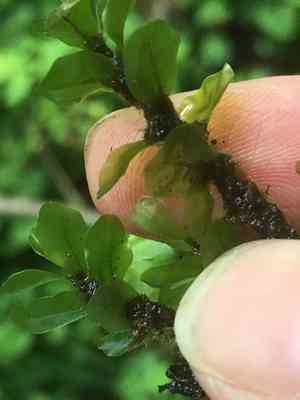
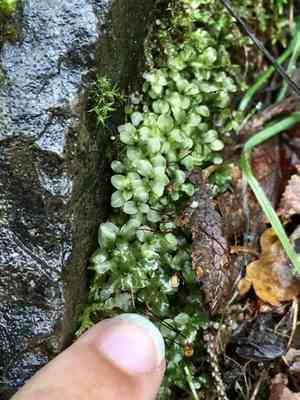
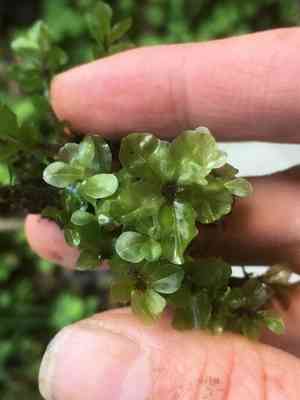
Quickly Identify Appalachian rhizomnium moss
1
Identify Rhizomnium appalachianum by its cushion-like growth pattern, lush green leaves arranged in a rosette, and the presence of rhizoids (root-like structures). It thrives in moist, shaded areas such as forest floors and stream banks.
Scientific Classification of Appalachian rhizomnium moss
Phylum
Mosses
Class
True mosses
Order
Bryales
Family
Mniaceae
Genus
Rhizomnium
Species
Appalachian rhizomnium moss
Planting and Growing of Appalachian rhizomnium moss
Care Difficulty
Moderate
Watering Schedule
Every 2 days
Sunlight Requirements
Partial sun
Sunshine Duration
6-10 hours
Ideal Temperature
60-75℉
Soil Type
Potting Mix, Peat Mix
Soil pH
6.5-7.5
Fertilizer Type
Balanced
Pruning Season
Spring, Summer
Pruning Area
Branches, Leaves
Pruning Frequency
2 times a year
Repotting Season
Spring
Pot Type
Plastic, Ceramic
 How to Water Appalachian rhizomnium moss?
For Rhizomnium appalachianum, the ideal watering amount is about 100ml per session. It's important to ensure the water penetrates the substrate thoroughly but doesn't create standing water. This plant enjoys even moisture, which means the soil should feel slightly damp but never soggy.
What are the symptoms of an underwatered Appalachian rhizomnium moss?
›
What should I do if my Appalachian rhizomnium moss is not getting enough water?
›
What are the symptoms of an overwatered Appalachian rhizomnium moss?
›
How to save an overwatered Appalachian rhizomnium moss?
›
 What Are the Sunlight Requirements for Appalachian rhizomnium moss?
Partial sun exposure is ideal for Rhizomnium appalachianum. Within this range, it can sustain healthy growth patterns and minimize the risk of scorching or photoinhibition, essential for vibrant foliage.
What is the best lighting condition for Rhizomnium appalachianum?
›
How can you ensure ideal lighting for Rhizomnium appalachianum?
›
What benefits does ideal lighting provide to Rhizomnium appalachianum?
›
 What Is the Ideal Temperature Range for Appalachian rhizomnium moss?
The ideal temperature range for Rhizomnium appalachianum is between 60°F and 75°F. Within this range, the plant can thrive, with optimal growth and development. This range provides an environment similar to its natural habitat, promoting healthy metabolic processes.
 What Soil is Best for Appalachian rhizomnium moss?
Rhizomnium appalachianum thrives in soil that retains consistent moisture. This requirement ensures it has enough water for photosynthesis, leading to lush and vibrant green growth consistent with healthy moss development. This plant benefits from a soil rich in organic nutrients. The decomposing organic matter in peat and loam soils provides essential nutrients, which support the plant's growth and its ability to spread naturally across forest floors. While moisture is essential, the soil must also drain efficiently to prevent waterlogging. Sandy loam provides excellent drainage while holding enough moisture, preventing root rot and allowing the plant to thrive.
 How to Fertilize Appalachian rhizomnium moss?
For Rhizomnium appalachianum, it is important to use a balanced fertilizer with equal parts nitrogen, phosphorus, and potassium. Application should be conservative, around half the strength recommended for typical houseplants, ensuring the moss gets nutrients without being overwhelmed.
 How to Prune Appalachian rhizomnium moss?
Begin by selecting a sharp pair of pruning scissors. Look for brown, dry, or damaged leaves and stems. Cut back to healthy foliage, making clean cuts close to the base of unwanted parts. This helps the plant focus energy on new, healthy growth. For aesthetic purposes, gently trim back overgrown sections to maintain a symmetrical and appealing form. Follow the natural shape of the plant to enhance its beauty, and avoid cutting more than one-third of the plant mass at one time. After pruning, water the plant moderately to assist in recovery and ensure it remains healthy and hydrated. Monitor it over the next few weeks for any stress signs, making adjustments to lighting or watering if needed.
 How to Propagate Appalachian rhizomnium moss plant?
1
Begin by selecting a suitable location for division. Ensure the soil is moist but well-drained and clear any debris to prevent pests and encourage healthy growth.
2
Carefully dig around the plant and separate a clump using your garden shears. Ensure each division has healthy rhizomes and enough foliage to support growth.
3
Place the divisions in their new locations, ensuring they are covered with soil at the same depth they were originally growing. Water them thoroughly to help establish new roots.
 How to Repot Appalachian rhizomnium moss plant?
1
Look for signs like roots coming out of the pot drainage holes, or if the plant grows slower despite proper care. These indicate the plant needs more space, making it the perfect time to repot.
2
Opt for pots that are slightly larger than the current one, with good drainage holes. This encourages healthy root growth and prevents waterlogging, contributing to optimal plant health.
3
Use a soil mix that mimics natural conditions; it should be moist but well-draining. The right mix will support healthy growth and prevent issues like root rot.

