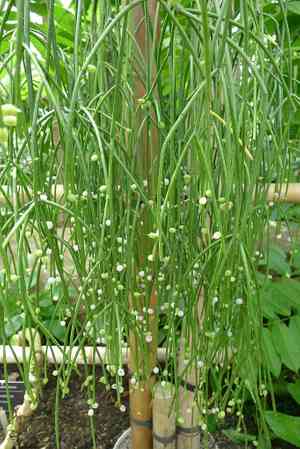
Mistletoe cactus (Rhipsalis baccifera)
Also known as: Mistletoe Cactus
Rhipsalis baccifera, also known as the mistletoe cactus, is native to Central and South America, the Caribbean, and Florida. Remarkably, it is the only cactus species that naturally occurs outside the New World. Scientists believe that migratory birds may have transported its seeds to Africa, where it now also grows. This cactus is popular as a houseplant, particularly in hanging planters, due to its easy maintenance.
In This Article
Attributes of Mistletoe cactus
Lifespan
Perennial
Plant Type
Succulent, Herb
Plant Height
2 m
Spread
60 cm
Leaf Color
Green
Flower Size
5 mm to 1 cm
Flower Color
White
Images of Mistletoe cactus


Quickly Identify Mistletoe cactus
1
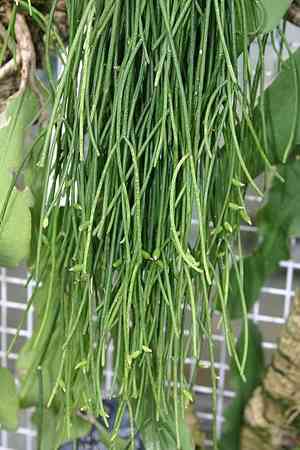
Segmented stems resembling beads, covered in scale-like structures instead of typical cactus thorns.
2
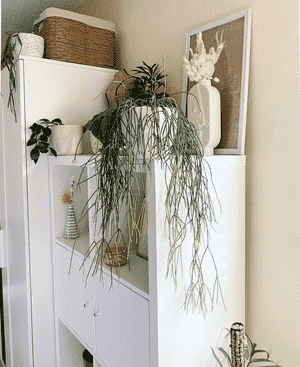
Can reach up to 2 feet (60 cm) in length, making it ideal for hanging baskets or vertical gardens.
3
Produces small white flowers that later develop into berry-like fruits.
4
Thrives in bright, indirect light, showcasing lush, jungle-like aesthetic as a houseplant.
Scientific Classification of Mistletoe cactus
Phylum
Vascular plants
Class
Dicotyledons
Order
Caryophyllales
Family
Cactuses
Genus
Mistletoe cacti
Species
Mistletoe cactus
Planting and Growing of Mistletoe cactus
Care Difficulty
Easy
Watering Schedule
Every 3 days
Sunlight Requirements
Partial sun
Sunshine Duration
10-14 hours
Ideal Temperature
65-77℉
Soil Type
Potting Mix, Peat Mix
Soil pH
6.5-7.5
Fertilizer Type
Balanced
Pruning Season
Spring, Summer
Pruning Area
Branches, Leaves
Pruning Frequency
2 times a year
Repotting Season
Spring
Pot Type
Plastic, Ceramic
 How to Water Mistletoe cactus?
For Rhipsalis baccifera, ensure that each watering session soaks the soil thoroughly. Allow the water to drain completely from the pot. The key is to keep the soil consistently moist but not soggy, avoiding any waterlogged conditions. A rule of thumb is to use approximately 200ml of water per session.
More About Watering Techniques→
What are the symptoms of an underwatered Mistletoe cactus?
›
What should I do if my Mistletoe cactus is not getting enough water?
›
What are the symptoms of an overwatered Mistletoe cactus?
›
How to save an overwatered Mistletoe cactus?
›
 What Are the Sunlight Requirements for Mistletoe cactus?
Rhipsalis baccifera prefers bright, indirect light or partial shade. The ideal light condition promotes healthy metabolism, lush foliage, and even contributes to flowering, making the plant both healthy and visually striking.
More About Sunlight Requirements Techniques→
What is the best lighting environment for Rhipsalis baccifera?
›
How can I ensure ideal lighting for my plant?
›
What are the benefits of proper lighting for this plant?
›
 What Is the Ideal Temperature Range for Mistletoe cactus?
Rhipsalis baccifera thrives best in a temperature range of 65°F to 77°F. This range provides the optimal conditions for growth and development, mimicking its natural habitat in tropical and subtropical regions. Maintaining this temperature helps ensure vibrant foliage and overall plant health.
 What Soil is Best for Mistletoe cactus?
Rhipsalis baccifera thrives in well-draining soil to prevent root rot, ensuring roots have adequate air and moisture levels. Soil like sandy loam provides this balance, mimicking its natural tropical environment and promoting healthy growth. This plant benefits from soil with a rich organic mix, as it offers essential nutrients for growth. A mix containing peat or compost provides the necessary nourishment to support vibrant foliage and berry production. A soil pH between 6.5 and 7.5 suits Rhipsalis baccifera, helping nutrient availability. This pH range encourages the absorption of nutrients crucial for maintaining its health and vibrant appearance.
More About Soil→
 How to Fertilize Mistletoe cactus?
For Rhipsalis baccifera, the fertilizer amount should be carefully considered. Typically, you want to use a diluted liquid fertilizer once every two weeks during the growing season. Use a balanced water-soluble fertilizer at half the recommended strength to prevent over-fertilization.
 How to Prune Mistletoe cactus?
Begin by closely examining your Rhipsalis baccifera to identify dead, damaged, or diseased stems that need to be removed. Look for stems that are brown, shriveled, or without any leaves as prime candidates for removal. Position your pruning shears at the base of the stems to be removed, making sure to cut at an angle. This allows water to flow off the cut surface and aids in faster healing, reducing the risk of rot or disease. To promote denser growth, selectively prune back the tips of the stems, cutting just above a node. This stimulates the plant to branch out and become bushier, enhancing its decorative appeal.
 How to Propagate Mistletoe cactus plant?
1
Choose healthy and mature segments of Rhipsalis baccifera that are free from disease or pests. This improves the chances of successful root and plant development.
2
Once a healthy segment is identified, use sterilized scissors to make a clean cut. Allow the cutting to callous over for a few days to prevent rot when planted.
3
After callousing, place the cuttings in a sterile potting mix, burying them just deep enough to keep them upright. Ensure the potting mix is well-drained to promote root growth.
 How to Repot Mistletoe cactus plant?
1
Rhipsalis baccifera shows its need for repotting when you notice slow growth or roots emerging from the drainage holes. These signs indicate that the plant has outgrown its current pot and requires more space for healthy development.
2
Select a pot with ample drainage holes to prevent waterlogging, which Rhipsalis baccifera is highly susceptible to. Opting for a slightly larger pot allows the roots to expand and increases airflow, promoting a healthy root system.
3
Cactus mix with added perlite ensures well-drained soil, crucial for Rhipsalis baccifera to prevent root rot. This soil type facilitates quick drying, mimicking its natural habitat, and provides optimal conditions for growth.



