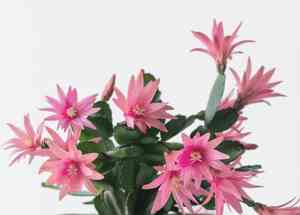
Rhipsalidopsis gaertneri (Rhipsalidopsis gaertneri)
Also known as: Easter Cactus, Spring Cactus
Rhipsalidopsis gaertneri, also recognized as Schlumbergera gaertneri and Hatiora gaertneri, refers to an epiphytic cactus species that belongs to the Rhipsalideae tribe, placed in the Cactoideae subfamily of the Cactaceae. Along with the hybrid Rhipsalidopsis × graeseri, developed with R. rosea, it is recognized as Easter cactus or Whitsun cactus in the English-speaking Northern Hemisphere nations, and is extensively grown as an ornamental plant. The Royal Horticultural Society has honored it with the Award of Garden Merit.
In This Article
Attributes of Rhipsalidopsis gaertneri
Lifespan
Rhipsalidopsis gaertneri, also known as Easter Cactus, is a perennial plant.
Plant Height
10-30 cm
Spread
N/A
Leaf Color
Green
Flower Size
2-3 cm
Flower Color
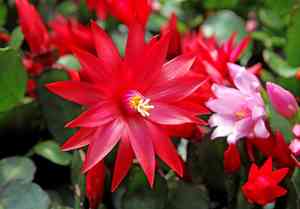
Red
Images of Rhipsalidopsis gaertneri
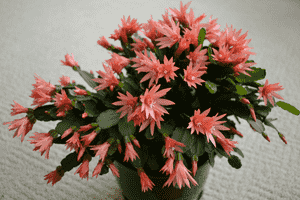
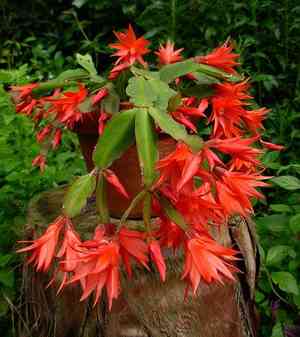
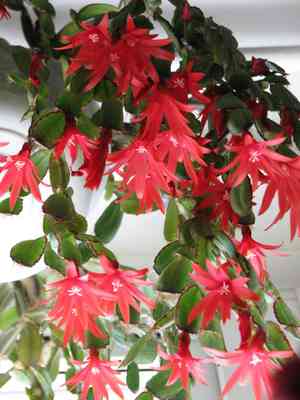
Quickly Identify Rhipsalidopsis gaertneri
1
The plant can be identified by its segmented stems and vibrant flowers, which usually bloom in spring.
Scientific Classification of Rhipsalidopsis gaertneri
Phylum
Tracheophyta
Class
Magnoliopsida
Order
Caryophyllales
Family
Cactaceae
Genus
Rhipsalidopsis
Species
R. gaertneri
Planting and Growing of Rhipsalidopsis gaertneri
Care Difficulty
Easy
Watering Schedule
Every 2 days
Sunlight Requirements
Partial sun
Sunshine Duration
6-10 hours
Ideal Temperature
60-75℉
Soil Type
Potting Mix, Peat Mix
Soil pH
6-7
Fertilizer Type
Balanced
Pruning Season
Spring, Summer
Pruning Area
Branches, Leaves
Pruning Frequency
2 times a year
Repotting Season
Spring
Pot Type
Plastic, Ceramic
 How to Water Rhipsalidopsis gaertneri?
For Rhipsalidopsis gaertneri, also known as the Easter cactus, it's ideal to water until the soil is evenly moist but not soggy. Ensure thorough watering, allowing excess to drain, maintaining a balance to avoid root rot.
What are the symptoms of an underwatered Rhipsalidopsis gaertneri?
›
What should I do if my Rhipsalidopsis gaertneri is not getting enough water?
›
What are the symptoms of an overwatered Rhipsalidopsis gaertneri?
›
How to save an overwatered Rhipsalidopsis gaertneri?
›
 What Are the Sunlight Requirements for Rhipsalidopsis gaertneri?
Rhipsalidopsis gaertneri thrives best with partial sun or full shade, receiving four to six hours of filtered light daily. This helps in maintaining its health and bloom intensity.
What is the best light condition for Rhipsalidopsis gaertneri?
›
How to achieve optimal light for this plant?
›
What benefits does the right lighting offer?
›
 What Is the Ideal Temperature Range for Rhipsalidopsis gaertneri?
Rhipsalidopsis gaertneri thrives best within a consistent temperature range between 60 and 75 degrees Fahrenheit. This range mimics the native habitat of this tropical plant, promoting optimal growth and flowering. Keeping the plant within these temperature limits ensures that its metabolic processes, such as photosynthesis and respiration, function at peak efficiency. Maintaining consistent temperatures wards off stress, facilitating healthy development and vibrant blooms.
 What Soil is Best for Rhipsalidopsis gaertneri?
Rhipsalidopsis gaertneri thrives in nutrient-rich soil, which supports its growth by providing essential minerals and elements. A nutrient-dense substrate enhances flowering and overall plant vitality. Well-draining soil is crucial to prevent root rot in Rhipsalidopsis gaertneri. This plant does not like waterlogged conditions; instead, it prospers with aerated roots, which support optimal health. While the soil should drain well, it should also retain sufficient moisture. A balance ensures the plant remains hydrated without becoming waterlogged, thus supporting lush foliage and vibrant blooms.
 How to Fertilize Rhipsalidopsis gaertneri?
For Rhipsalidopsis gaertneri, a diluted liquid fertilizer is ideal. Mix the liquid fertilizer at half strength; typically, this means using about 1/4 teaspoon per gallon of water. This ensures that the plant receives nutrients without overwhelming its roots.
 How to Prune Rhipsalidopsis gaertneri?
Start by using a pair of clean and sharp pruning shears to avoid damaging the plant. Remove any dead or diseased segments to prevent the spread of infections and promote healthier growth. Focus on cutting back the stem tips, which helps to control the plant's size and encourages branching. Trim just above the node to foster new growth. To encourage blooming, trim the plant slightly after its flowering period. This helps redirect the plant's energy towards producing more buds rather than supporting stale growth. Monitor the plant's response to ensure it continues to thrive after pruning.
 How to Propagate Rhipsalidopsis gaertneri plant?
1
Choose a healthy, disease-free stem from the parent plant with several segments. This ensures that the cutting has the potential to grow and thrive once planted.
2
Use a sterilized cutting knife to trim a segment of the stem. The cutting should be approximately 3-4 inches long. Apply rooting hormone to the freshly cut end to promote quicker root growth.
3
Place the cutting in a small pot filled with well-draining cactus soil. Ensure that at least one or two segments are below the soil surface to allow for better stability and root production.
 How to Repot Rhipsalidopsis gaertneri plant?
1
It's time to repot your Rhipsalidopsis gaertneri when you notice roots coming out from the drainage holes or when the soil appears depleted and no longer absorbs water well. Choosing the right time, typically in spring, ensures the plant is not under stress from extreme temperatures or flowering cycles, allowing it to adapt to its new environment.
2
Select a pot that is just one size larger than the current one. A slightly bigger pot prevents overwatering issues and allows adequate space for root expansion. Ensure the pot has good drainage holes to avoid waterlogging, which is crucial for maintaining the health of the plant’s roots.
3
Use a well-draining cactus potting mix enriched with organic matter. This soil structure aids in preventing root rot by ensuring water doesn't accumulate around the roots while providing essential nutrients. The inclusion of organic matter enhances the nutrient profile, promoting healthier growth.

