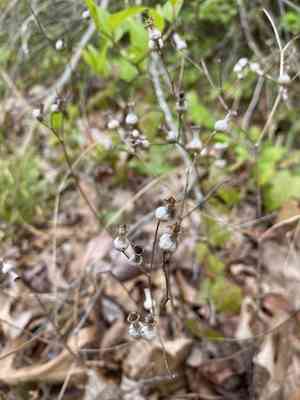
Meadow beauty (Rhexia) (Rhexia)
Also known as: west indian meadowbeauty, pale meadowbeauty, maid marian, white meadowbeauty
Meadow beauty plants (Rhexia spp.) are herbaceous perennials native to southeastern North America, the Caribbean, and parts of Canada. They flourish in moist, acidic soils and are often found in wet meadows, bogs, and areas that have recently experienced fire. These plants prefer full sun to partial shade and can form extensive wildflower colonies. Their flowers, which can be pink, white, or yellow, are also a food source for deer.
In This Article
Attributes of Meadow beauty (Rhexia)
Lifespan
Perennial
Plant Height
0.3 to 1 meter
Spread
Variable, depending on species
Leaf Color
Green
Flower Size
Typically 2 to 3 cm
Flower Color
Pink, purple, or white
Images of Meadow beauty (Rhexia)
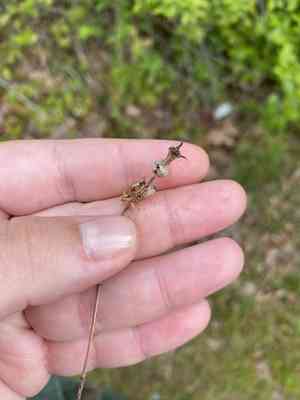
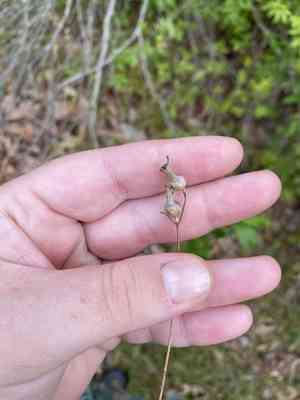
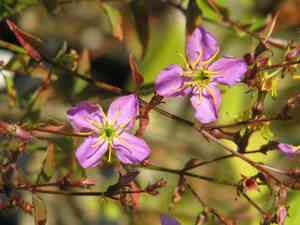
Quickly Identify Meadow beauty (Rhexia)
1
Rhexia plants can be identified by their distinctive four-sided, winged stems, opposite leaves with a rough texture, and vibrant flowers which typically have four petals and are pink, purple, or white. The flowers have prominent stamens with bright yellow anthers.
Scientific Classification of Meadow beauty (Rhexia)
Phylum
Magnoliophyta
Class
Magnoliopsida
Order
Myrtales
Family
Melastomataceae
Genus
Rhexia
Planting and Growing of Meadow beauty (Rhexia)
Care Difficulty
Moderate
Watering Schedule
Every 4 days
Sunlight Requirements
Full sun
Sunshine Duration
4-8 hours
Ideal Temperature
65-75℉
Soil Type
Potting Mix, Peat Mix
Soil pH
4.5-6
Fertilizer Type
Balanced
Pruning Season
Spring, Summer
Pruning Area
Branches, Leaves
Pruning Frequency
2 times a year
Repotting Season
Spring
Pot Type
Terracotta, Plastic
 How to Water Meadow beauty (Rhexia)?
When watering Rhexia, it's crucial to ensure the soil is moist but not soggy. The guideline is to provide about 250 ml each time, allowing the water to soak through the soil until it begins to drain from the bottom. This ensures that the roots are adequately hydrated without being waterlogged.
What are the symptoms of an underwatered Meadow beauty (Rhexia)?
›
What should I do if my Meadow beauty (Rhexia) is not getting enough water?
›
What are the symptoms of an overwatered Meadow beauty (Rhexia)?
›
How to save an overwatered Meadow beauty (Rhexia)?
›
 What Are the Sunlight Requirements for Meadow beauty (Rhexia)?
Partial sun to full sun exposure encourages vibrant growth and flowering. Eight hours of balanced light daily prevents growth issues and enhances foliage and bloom vibrancy.
What is the best kind of light for this plant?
›
Solution to achieve ideal lighting?
›
Benefits of ideal lighting?
›
 What Is the Ideal Temperature Range for Meadow beauty (Rhexia)?
Rhexia species thrive best in temperatures ranging from 65°F to 75°F. This range provides a balanced environment promoting healthy growth and blooming. Maintaining this temperature ensures the metabolic processes are optimal, enhancing photosynthesis and nutrient absorption.
 What Soil is Best for Meadow beauty (Rhexia)?
Did you know that Rhexia thrives in soil that retains moisture well? This means their natural habitats are often swampy or marshy areas. Ensuring that the soil is consistently moist, not wet, helps them grow vigorously and stay healthy. Rhexia benefits from soils rich in organic matter, which improves nutrient availability. Adding compost or well-rotted manure can enhance soil fertility, promoting lush foliage and vibrant floral displays. Despite their affinity for moisture, Rhexia still requires good drainage to avoid root rot. Soil that drains well prevents water from stagnating around the roots, which could otherwise lead to root diseases.
 How to Fertilize Meadow beauty (Rhexia)?
Rhexia plants appreciate a moderate amount of fertilizer. Ensure that the application rate is neither too concentrated nor too sparse. For liquid fertilizers, use about half the recommended strength stated on the package to prevent root burn. For solid, slow-release fertilizers, a light covering of granules around the base should suffice, approximately 1 tablespoon per plant.
 How to Prune Meadow beauty (Rhexia)?
Begin by identifying the dead and damaged stems, easily recognizable by their brown, wilted appearance. Carefully snip these stems close to the base, avoiding cutting new growth or buds which will lead to future blooms. Assess the overall shape after addressing the damaged stems. Aim to thin out crowded areas to improve air circulation, which is crucial for preventing mildew and other diseases. Carefully select which stems to remove, creating an open structure that permits sunlight to reach all parts of the plant.
 How to Propagate Meadow beauty (Rhexia) plant?
1
Collect seeds from mature Rhexia fruits. Clean them by removing any pulp and debris. The seeds can be directly sown in trays filled with a seed-starting mix. Ensure the seeds are covered lightly with soil to maintain moisture and encourage germination.
2
Select healthy stems from a mature Rhexia plant. Use pruning shears to make 4-6 inch cuttings from the tips of these stems. Remove any lower leaves and dip the cut end in rooting hormone to speed up rooting.
3
Plant the prepared cuttings into a well-drained medium such as a mixture of peat and perlite. Ensure the cuttings are planted deep enough to stand upright and lightly water them to maintain soil moisture.
 How to Repot Meadow beauty (Rhexia) plant?
1
Signs that your Rhexia needs repotting include slow growth, roots coming out of drainage holes, and soil drying out rapidly. Spring and Summer are optimal due to active growth periods, ensuring the plant can quickly establish in its new environment.
2
Select a pot one size larger than the current one with drainage holes. A slightly larger pot prevents waterlogging while offering roots room to grow, promoting healthy root development and robust plant health.
3
Opt for a well-draining acidic soil mix, such as a combination of peat moss, pine bark, and perlite. This mix ensures ample aeration and maintains the acidity level that Rhexia prefers, thus supporting vigorous growth.
Learn More About Meadow beauty (Rhexia) Diseases
Anthracnose
Bacterial Leaf Spot
Bacterial Wilt
Black Spot
Chemical Injury
Crown Gall
Damping-off
Downy Mildew
Drought Stress
Fusarium Wilt
Gray Mold
Leaf Curl
Leaf Spot
Mosaic
Nutrient Deficiency
Nutrient Toxicity
Powdery Mildew
Root Rot
Root-knot Nematode
Rusts
Sooty Mold
Spider Mites
Temperature Stress
Thrips Damage
White Mold

