Rhubarb (Rheum rhabarbarum)
Also known as: Garden rhubarb
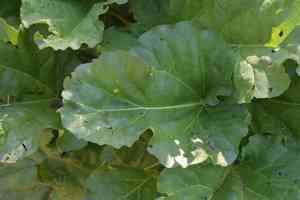
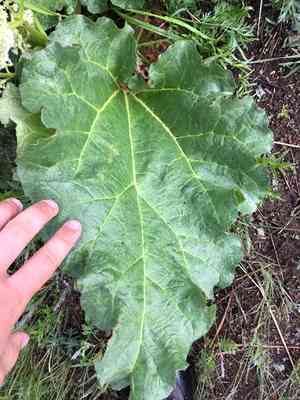
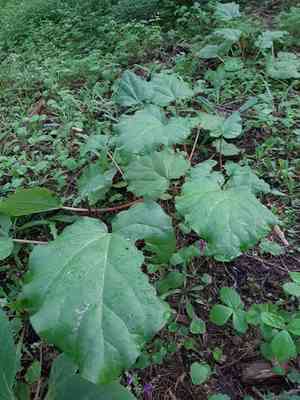
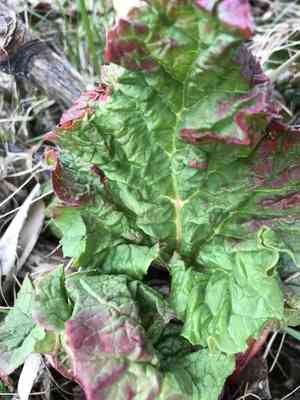
Rhubarb (Rheum rhabarbarum) is a robust perennial that typically reaches a height of 2 to 4 feet (approximately 60 to 120 cm). The plant has large, heart-shaped leaves with thick, juicy stalks that can be either green or red and grow up to 18 inches (about 45 cm) long. The foliage dies back during winter. In summer, tall flower stalks emerge, bearing numerous small flowers that are white, yellow, or pinkish-green. The flowers give way to seed-bearing fruits that mature in the fall.
Attributes of Rhubarb
Images of Rhubarb
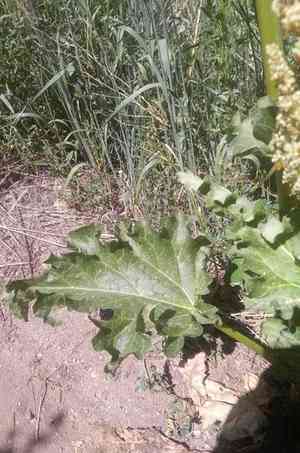
Quickly Identify Rhubarb
Scientific Classification of Rhubarb
Planting and Growing of Rhubarb
 How to Water Rhubarb?
 What Are the Sunlight Requirements for Rhubarb?
 What Is the Ideal Temperature Range for Rhubarb?
 What Soil is Best for Rhubarb?
 How to Fertilize Rhubarb?
 How to Prune Rhubarb?
 How to Propagate Rhubarb plant?
 How to Repot Rhubarb plant?
Toxicity of Rhubarb
Is Rhubarb toxic to cat?
Rhubarb is mildly toxic to cats, especially when they ingest its leaves. High quantities of rhubarb leaves can lead to poisoning in cats. After such exposure, affected felines might show symptoms of physical distress or illness, requiring urgent veterinary care. To protect the well-being of their feline friends, cat owners should keep a close watch on their pets and restrict their access to rhubarb. In case of accidental ingestion, seeking immediate treatment from a veterinarian is vital.
Is Rhubarb toxic to dog?
Rhubarb presents a modest toxicity concern for dogs. Although this plant is not extremely toxic, consuming substantial amounts, especially the leaves, can lead to poisoning. Dogs might find these parts of rhubarb appealing and may consume them, resulting in symptoms that signify poisoning. Pet owners should be vigilant that if their dog ingests a considerable quantity of rhubarb, they may notice signs such as gastrointestinal distress or other troubling symptoms. Should a dog consume rhubarb and display any negative reactions, it is crucial for the owner to seek prompt veterinary assistance to ensure the appropriate treatment and care of the dog's condition.



