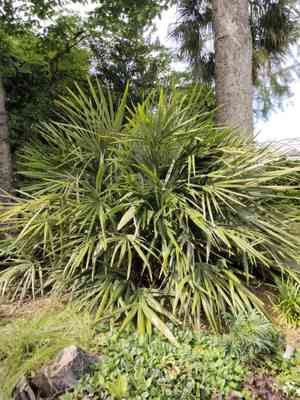
Needle palm (Rhapidophyllum hystrix)
Also known as: Needle Palm
The Barberry (Berberis) is a robust plant with exceptional winter tolerance, often utilized to line walkways. Its needle-like spines necessitate careful handling with gloves. This characteristic also makes it resistant to most wildlife, adding to its appeal as a landscape plant.
In This Article
Attributes of Needle palm
Lifespan
Perennial
Plant Type
Shrub
Plant Height
90 cm to 1.8 m
Spread
1.2 m to 2.5 m
Leaf Color
Green White Gray Silver
Flower Size
2.5 cm
Flower Color
Yellow Purple Red Brown
Images of Needle palm
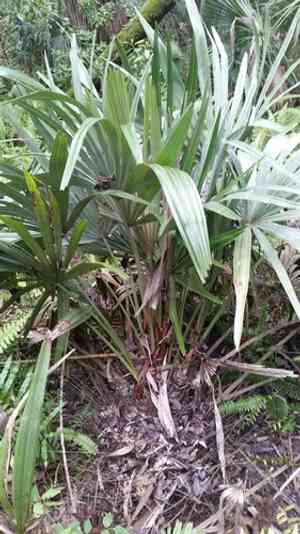
Quickly Identify Needle palm
1
Robust spherical shrub with dark reddish-brown trunk and formidable 6-inch (15 cm) spikes.
2
Fan-shaped palmately compound leaves measuring up to 30 inches (76 cm) in diameter.
3
Yellowish-brown flower clusters, 6 to 12 inches (15 to 30 cm) long, blooming in spring.
4
Reddish-brown oblong drupes, 1 inch (2.54 cm) in diameter, emitting potent odor in fall.
5
Dark reddish-brown trunk adorned with sharp 6-inch (15 cm) dark brown to black spikes.
Scientific Classification of Needle palm
Phylum
Vascular plants
Class
Monocotyledons
Order
Palms, bullanocks, and allies
Family
Palm
Genus
Rhapidophyllum
Species
Needle palm
Planting and Growing of Needle palm
Care Difficulty
Easy
Watering Schedule
Every 2 days
Sunlight Requirements
Partial sun
Sunshine Duration
4-6 hours
Ideal Temperature
60-85℉
Soil Type
Potting Mix, Peat Mix
Soil pH
6.5-7.5
Fertilizer Type
Balanced
Pruning Season
Spring, Summer
Pruning Area
Branches, Leaves
Pruning Frequency
2 times a year
Repotting Season
Spring
Pot Type
Plastic, Ceramic
 How to Water Needle palm?
Rhapidophyllum hystrix, commonly known as the needle palm, prefers to have its soil kept consistently moist but never waterlogged. Water approximately 250ml per session until the soil is damp to a depth of about 5 cm, ensuring the roots receive adequate hydration without being drowned. The goal is to mimic its natural habitat's conditions, where it thrives in well-drained, moisture-retentive soil.
What are the symptoms of an underwatered Needle palm?
›
What should I do if my Needle palm is not getting enough water?
›
What are the symptoms of an overwatered Needle palm?
›
How to save an overwatered Needle palm?
›
 What Are the Sunlight Requirements for Needle palm?
Partial sun replicates the conditions under a woodland canopy, promoting robust growth with reduced stress. Adequate light supports photosynthesis and helps the palm maintain lush foliage.
More About Sunlight Requirements Techniques→
Optimal Sun Exposure
›
Balancing Shade
›
Adaptive Placement
›
 What Is the Ideal Temperature Range for Needle palm?
Rhapidophyllum hystrix, commonly known as the needle palm, thrives best between 60°F and 85°F. This range offers optimal conditions for growth and development. In controlled environments, keeping the temperature within this span encourages lush foliage and healthy vitality. Extreme temperature values should be avoided to prevent stress and potential damage to the plant.
 What Soil is Best for Needle palm?
Rhapidophyllum hystrix thrives in well-draining soil that prevents waterlogging, ensuring the roots receive adequate oxygen. This characteristic reduces the risk of root rot and promotes healthy growth. A nutrient-rich soil composition is essential for the robust growth of Rhapidophyllum hystrix. Providing necessary macronutrients and micronutrients supports the plant's overall health and vigor. Soil with good moisture retention helps in sustaining Rhapidophyllum hystrix during dry spells. Consistent moisture supports steady growth and the development of new fronds.
 How to Fertilize Needle palm?
For Rhapidophyllum hystrix, using a balanced fertilizer with a ratio like 10-10-10 is advisable. When applying liquid fertilizer, dilute it to half-strength to prevent over-fertilization. Apply about 1/2 cup per gallon of water, ensuring thorough coverage on the soil around the root zone.
 How to Prune Needle palm?
When pruning Rhapidophyllum hystrix, start by removing dead or yellowing fronds to maintain the plant’s health and appearance. Use clean, sharp pruning shears to cut close to the trunk, but be cautious not to damage the trunk. It's important to focus on maintaining its natural shape while encouraging new and healthy growth. To prune Rhapidophyllum hystrix effectively, equip yourself with a pair of quality pruning shears and a pair of gloves to protect your hands from the sharp thorns. Ensure that your tools are disinfected to prevent the spread of disease. Clean cuts are vital for promoting quick healing and preventing infections in the plant.
More About Pruning Techniques→
 How to Propagate Needle palm plant?
1
Choose seeds that are mature and free from damage or disease. Healthy seeds increase the chances of successful germination, offering a robust start to the propagation process.
2
Prepare a well-draining soil medium by mixing sand, peat moss, and perlite. This blend ensures good aeration and moisture retention, essential for seedling development.
3
Water the seedlings regularly but avoid over-watering. The soil should be moist but not soggy, as excess water can cause root rot and hinder growth.
 How to Repot Needle palm plant?
1
You should consider repotting Rhapidophyllum hystrix when you notice slow growth or roots circling the container. Another sign is when you see roots emerging from the drainage holes. Ideally, repotting should be done during active growth periods, such as spring or summer, when the plant is better equipped to handle the transition.
2
For Rhapidophyllum hystrix, select a pot that is just one size larger than the current one. The pot should have good drainage to prevent waterlogging, which can lead to root rot. A slightly heavy container can also offer stability for the palm as it grows. Terracotta pots are a good choice because they allow moisture to evaporate and prevent the soil from staying overly wet.
3
Choose a soil mix that is well-draining and sandy, which mimics the natural habitat of Rhapidophyllum hystrix. The mix should allow roots to breathe and prevent excessive moisture retention. This type of soil helps in promoting healthy root development and reduces the risk of fungal diseases. Adding perlite or coarse sand can improve drainage and create an ideal growing environment.
Learn More About Needle palm Diseases
Anthracnose
Bacterial Leaf Spot
Bacterial Soft Rot
Chemical Injury
Crown Gall
Cyst Nematode
Damping-off
Downy Mildew
Drought Stress
Fusarium Wilt
Gray Mold
Leaf Spot
Mosaic
Nutrient Deficiency
Nutrient Toxicity
Powdery Mildew
Root Rot
Root-knot Nematode
Sooty Mold
Spider Mites
Temperature Stress
Thrips Damage
White Mold



