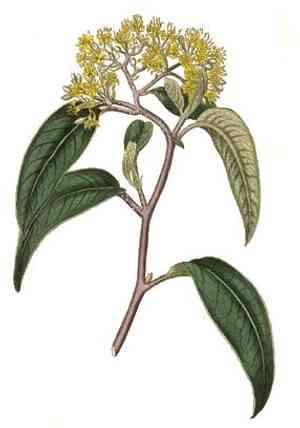
Lokao (Rhamnus globosa)
Also known as: Japanese Buckthorn, Glow Globosa
Lokao berries are small, glossy, and spherical, transitioning from green to black as they ripen. The plant is known for its dense, thorny branches, which help it form thick, resilient thickets. Its leaves are ovate with elegant veining, thriving in well-drained soils commonly found in its native woodlands and slopes. Adapted to various environmental conditions, Lokao plants grow vigorously in tropical climates, preferring partial shade and demonstrating considerable drought tolerance.
In This Article
Attributes of Lokao
Lifespan
Perennial
Plant Type
Shrub
Plant Height
1 to 3 meters
Spread
Up to 2 meters
Leaf Color
Dark green
Flower Size
Approximately 0.5 cm
Flower Color
Yellowish-green
Images of Lokao
Quickly Identify Lokao
1
Rhamnus globosa can be identified by its smooth, dark green leaves that are ovate to elliptic in shape, with a finely serrated margin. Flowers are small, yellowish-green, and usually bloom in clusters. The fruits are spherical, glossy, and usually turn from green to black when ripe.
Scientific Classification of Lokao
Phylum
Vascular plants
Class
Dicotyledons
Order
Rosales
Family
Buckthorn
Genus
Buckthorns
Species
Lokao
Planting and Growing of Lokao
Care Difficulty
Moderate
Watering Schedule
Every 2 days
Sunlight Requirements
Partial sun
Sunshine Duration
6-10 hours
Ideal Temperature
60-75℉
Soil Type
Potting Mix, Peat Mix
Soil pH
6.5-7.5
Fertilizer Type
Balanced
Pruning Season
Spring, Summer
Pruning Area
Branches, Leaves
Pruning Frequency
2 times a year
Repotting Season
Spring
Pot Type
Plastic, Ceramic
 How to Water Lokao?
For Rhamnus globosa, an ideal watering session involves pouring approximately 500 ml of water until it gradually saturates the soil. It's crucial to ensure the soil is consistently moist but not soggy, allowing good drainage is essential to prevent root rot.
What are the symptoms of an underwatered Lokao?
›
What should I do if my Lokao is not getting enough water?
›
What are the symptoms of an overwatered Lokao?
›
How to save an overwatered Lokao?
›
 What Are the Sunlight Requirements for Lokao?
Rhamnus globosa is best suited for partial to full sun conditions. Ideal lighting promotes lush foliage and optimizes the plant's natural growth processes and resistance to environmental stresses.
What amount of sunlight is ideal?
›
How to achieve ideal sunlight exposure?
›
What benefits arise from ideal sun exposure?
›
 What Is the Ideal Temperature Range for Lokao?
The ideal temperature range for Rhamnus globosa to thrive is between 60°F and 75°F. Within this range, the plant can perform its physiological processes optimally, leading to healthy growth, proper leaf development, and flowering.
 What Soil is Best for Lokao?
Rhamnus globosa thrives in well-drained soils that prevent waterlogging. This is essential for healthy root development and overall plant vigor, ensuring adequate air circulation around the root zone. The presence of organic material enhances the soil structure, leading to better moisture retention and nutrient availability. This fosters robust growth and sustains the plant during dry spells. Providing nutrient-dense soil ensures that Rhamnus globosa has access to necessary macro and micronutrients, facilitating strong growth, healthy foliage, and vibrant berry production.
 How to Fertilize Lokao?
When fertilizing Rhamnus globosa, apply 100 grams of a balanced 10-10-10 formula per application for solid fertilizers. Adjust the liquid fertilizer to 50 ml mixed in one liter of water per application to ensure adequate nutrient delivery.
 How to Prune Lokao?
Begin by identifying and removing any dead, diseased, or damaged branches using sharp pruning shears. Cutting back to healthy wood promotes the overall health of the plant. After dealing with problematic branches, focus on shaping the plant. Trim back branches to maintain a balanced form, ensuring no part is too heavy or crowded. Snip off the tips of healthy branches to encourage bushier growth. This practice stimulates the plant to produce more stems, leading to a fuller and more robust appearance.
 How to Propagate Lokao plant?
1
To propagate Rhamnus globosa from seeds, first collect mature seeds from a healthy plant. Make sure the seeds are fully ripe, as underdeveloped seeds may not germinate.
2
For cutting propagation, select healthy, non-flowering stems. Cut about 4-6 inches and remove the leaves from the lower half. This encourages the cutting to focus on root development.
3
Plant seeds in a seedling tray filled with soil. Cover with a thin layer of soil and water lightly. Keep the tray in a warm, sunny spot and maintain soil moisture to facilitate germination.
 How to Repot Lokao plant?
1
Repot Rhamnus globosa when its roots begin to outgrow the current container, evidenced by roots emerging through the drainage holes or the plant becoming root-bound. This typically occurs every one to two years. Choose early spring or summer for repotting when the plant is entering its active growth phase, which helps it recover more quickly.
2
Select a pot that is 1-2 inches larger in diameter than the current one, with adequate drainage holes to prevent waterlogging. A slightly larger pot allows room for root expansion while minimizing excess soil that can retain too much moisture, thereby ensuring healthier root growth.
3
Opt for a well-draining, loamy soil mix containing organic matter such as compost or peat moss. This mix provides the necessary nutrients and aeration, preventing root rot by facilitating proper water drainage, thereby promoting robust growth.
Toxicity
Ingestion of berries and other plant parts
WARNING
The judgment on toxicity and danger is for reference only. We DO NOT GUARANTEE any accuracy of such judgment. Therefore, you SHALL NOT rely on such judgment. It is IMPORTANT TO SEEK PROFESSIONAL ADVICE in advance when necessary.



