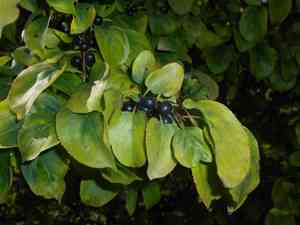
Rhamnus davurica (Rhamnus davurica)
Also known as: Dahurian Buckthorn, Asiatic Buckthorn
Rhamnus davurica, a hardy deciduous shrub, exhibits exceptional resilience in harsh climates. Its branches feature a unique zigzag pattern and are lined with glossy, elliptical leaves. This shrub produces subtle greenish flowers in the spring, followed by black, berry-like fruits in the fall. Its adaptability to various soil conditions, combined with its drought tolerance and cold resistance, makes it particularly well-suited for challenging environments.
In This Article
Attributes of Rhamnus davurica
Lifespan
Perennial
Plant Type
Tree, Shrub
Plant Height
3-6 meters (10-20 feet)
Spread
Approximately 3 meters (10 feet)
Leaf Color
Green
Flower Size
Approximately 0.3 cm (0.1 inch)
Flower Color
Greenish-yellow
Images of Rhamnus davurica
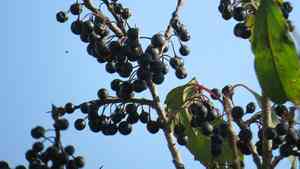
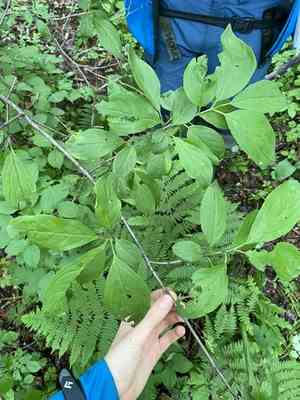
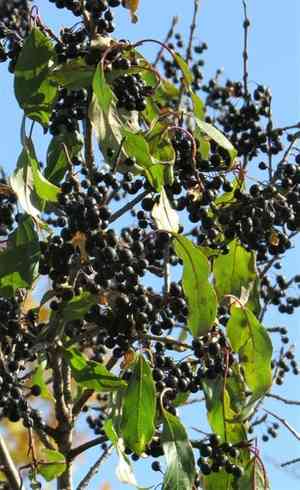
Quickly Identify Rhamnus davurica
1
Rhamnus davurica can be recognized by its glossy, ovate to elliptical leaves that are 4-8 cm long. The leaves have serrated margins and are arranged alternately. The small, greenish-yellow flowers grow in clusters, and the plant produces small, black, berry-like fruits. The bark is reddish-brown and slightly furrowed.
Scientific Classification of Rhamnus davurica
Phylum
Vascular plants
Class
Dicotyledons
Order
Roses, elms, figs, and allies
Family
Buckthorn
Genus
Buckthorns
Species
Rhamnus davurica
Planting and Growing of Rhamnus davurica
Care Difficulty
Moderate
Watering Schedule
Every 3 days
Sunlight Requirements
Partial sun
Sunshine Duration
4-8 hours
Ideal Temperature
60-75℉
Soil Type
Potting Mix, Peat Mix
Soil pH
6-8
Fertilizer Type
Balanced
Pruning Season
Spring, Summer
Pruning Area
Branches, Leaves
Pruning Frequency
2 times a year
Repotting Season
Spring
Pot Type
Plastic, Ceramic
 How to Water Rhamnus davurica?
The watering amount for Rhamnus davurica should follow a 'deep and thorough' principle, ensuring the soil is moistened down to at least a depth of 15-20 cm. This ensures that the water reaches the root zone, leading to healthier growth and a strong root system. Avoid shallow watering as it leads to roots staying near the surface and becoming weak.
What are the symptoms of an underwatered Rhamnus davurica?
›
What should I do if my Rhamnus davurica is not getting enough water?
›
What are the symptoms of an overwatered Rhamnus davurica?
›
How to save an overwatered Rhamnus davurica?
›
 What Are the Sunlight Requirements for Rhamnus davurica?
Rhamnus davurica prefers partial sun conditions. Proper light exposure enhances photosynthesis, boosting overall growth and health. Optimal light maximizes foliage density and sucrose production for energy storage.
What is the ideal lighting condition for Rhamnus davurica?
›
How can I achieve the ideal lighting for Rhamnus davurica?
›
What benefits will Rhamnus davurica gain from ideal lighting?
›
 What Is the Ideal Temperature Range for Rhamnus davurica?
The ideal temperature range of 60 to 75 degrees Fahrenheit is crucial for Rhamnus davurica because it ensures optimal metabolic activity and growth. In this range, the plant's cellular processes occur efficiently, promoting healthy foliage and robust development.
 What Soil is Best for Rhamnus davurica?
Rhamnus davurica thrives in well-drained soil which prevents water-logging. Ensuring that the soil drains efficiently promotes healthy root growth and prevents root rot, ultimately enhancing the plant's vigor and lifespan. Nutrient-rich loamy soil is ideal for Rhamnus davurica as it supports robust growth and vibrant foliage. Incorporating organic matter enriches the soil, providing essential nutrients that fortify the plant’s overall development. While well-drained, the soil should also retain enough moisture to sustain the plant between waterings. Balancing moisture levels ensures that Rhamnus davurica remains healthy, especially during dry spells, promoting resilience and growth.
 How to Fertilize Rhamnus davurica?
For Rhamnus davurica, a balanced fertilizer with equal parts nitrogen, phosphorus, and potassium is optimal. Use 50 grams per square meter when using a granular form, and when diluted in liquid form, mix 10 ml per liter of water.
 How to Prune Rhamnus davurica?
Start by removing any dead or diseased branches first. Always cut back to the healthy tissue and aim for a clean cut just above a bud. Use sharp and clean pruners to avoid damaging the plant and to ensure a smooth cut. Trim lightly to maintain the natural shape, thinning the center to improve air flow. To encourage a bushier growth, cut the branches by one-third of their length. Focus on creating an open, vase-like shape by removing inward-facing branches. This will allow light to penetrate and avoid a tangled, crowded interior.
 How to Propagate Rhamnus davurica plant?
1
Harvest seeds from the plant once the fruit has ripened. It's important to use healthy seeds to ensure the best chance of germination.
2
Select healthy stems and cut at a 45-degree angle. Remove the leaves from the lower half to reduce transpiration and place in water or rooting hormone.
3
Bend a low-growing branch to the soil surface, cover it with soil, and wait for it to root. This method requires patience but is often successful.
 How to Repot Rhamnus davurica plant?
1
Watch for signs that your Rhamnus davurica needs repotting, such as roots poking out from drainage holes or a slowed growth pattern. Typically, the best time to repot is during the growth spurts of spring or autumn when the plant is naturally more adept at recovering from the stress of repotting.
2
Select a pot that is 1 to 2 inches larger in diameter than the current one. This allows space for root growth without overwhelming the plant, which could lead to overwatering and root rot. A pot with drainage holes is essential to ensure excess water can escape, maintaining a healthy root system.
3
Opt for a well-draining loamy soil mix to ensure your Rhamnus davurica gets the right balance of moisture retention and drainage. This type of soil provides stability for the roots and prevents water from pooling, which could lead to fungal diseases.



