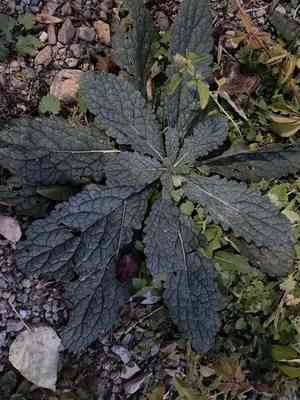
Rehmannia (Rehmannia glutinosa)
Also known as: Chinese foxglove, Sheng Di Huang, Rehmannia root
Rehmannia is native to the open woodlands and mountainous regions of China, where it holds significant cultural importance. The term "glutinosa" in Rehmannia glutinosa is derived from the Latin word for "sticky" (glutinosus), which describes the sticky texture of its leaves, stems, and roots.
Attributes of Rehmannia
Images of Rehmannia
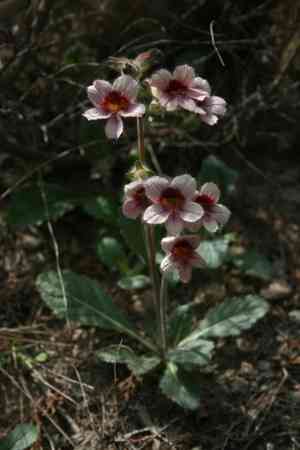
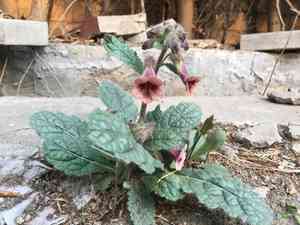
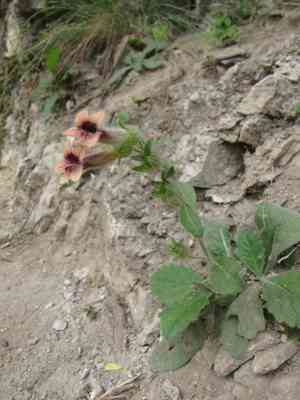
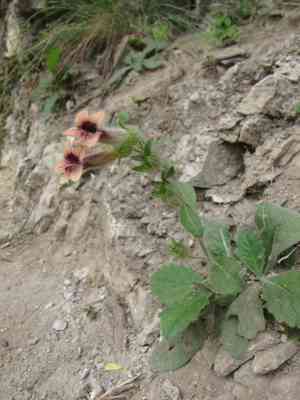
Quickly Identify Rehmannia
Scientific Classification of Rehmannia
Planting and Growing of Rehmannia
 How to Water Rehmannia?
 What Are the Sunlight Requirements for Rehmannia?
 What Is the Ideal Temperature Range for Rehmannia?
 What Soil is Best for Rehmannia?
 How to Fertilize Rehmannia?
 How to Prune Rehmannia?
 How to Propagate Rehmannia plant?
 How to Repot Rehmannia plant?
Toxicity of Rehmannia
Is Rehmannia toxic to humans?
Rehmannia is a plant with mild toxic properties that necessitates additional research. The primary focus has been on its roots, which are believed to harbor various toxins. When ingested, symptoms such as diarrhea, abdominal pain, dizziness, and palpitations may occur; however, these effects are generally mild and not deemed life-threatening. Chronic consumption has also been associated with abdominal distension and loose stools. In its natural habitat, the plant presents a minimal risk of poisoning, with the highest risk groups being individuals who consume products containing parts of the rehmannia plant.



