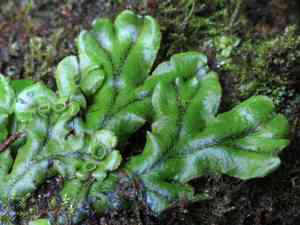
Purple-margined liverwort (Reboulia hemisphaerica)
Also known as: N/A
Reboulia hemisphaerica, the sole species in its genus, typically flourishes in winter when adequate moisture is available and competition from other plants is minimal. This liverwort is quite intricate, exhibiting significant variation in its reproductive structures. Some specimens possess both male and female organs on the same branch, while others may have only one type. It thrives best in moist, shaded areas with high humidity, favoring acidic to neutral substrates like damp soil, rocks, or decaying wood.
In This Article
Attributes of Purple-margined liverwort
Lifespan
Perennial
Plant Type
Moss
Plant Height
1 cm to 3 cm
Spread
5 mm
Leaf Color
Green
Flower Size
N/A
Flower Color
N/A
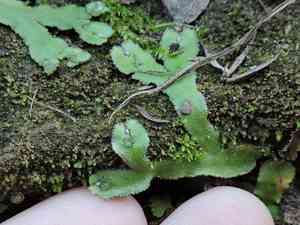
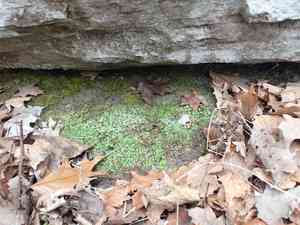
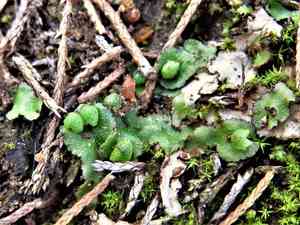
Images of Purple-margined liverwort
Quickly Identify Purple-margined liverwort
1
Identifiable by its unique hemispherical thalli and the presence of rhizoids on the underside. It typically grows in moist soil and on rocks in shaded areas.
Scientific Classification of Purple-margined liverwort
Phylum
Hepatics
Class
Complex thalloid liverworts
Order
Marchantiales
Family
Aytoniaceae
Genus
Hemisphaeric Liverwort
Species
Purple-margined liverwort
Planting and Growing of Purple-margined liverwort
Care Difficulty
Easy
Watering Schedule
Every 2 days
Sunlight Requirements
Partial sun
Sunshine Duration
6-10 hours
Ideal Temperature
60-75℉
Soil Type
Potting Mix, Peat Mix
Soil pH
6.5-7.5
Fertilizer Type
Balanced
Pruning Season
Spring, Summer
Pruning Area
Branches, Leaves
Pruning Frequency
2 times a year
Repotting Season
Spring
Pot Type
Plastic, Ceramic
 How to Water Purple-margined liverwort?
For Reboulia hemisphaerica, aim to give approximately 100 milliliters of water per session. The principle here is to lightly moisten the substrate without causing any waterlogging. You should ensure that the soil feels slightly damp to the touch but not soggy.
What are the symptoms of an underwatered Purple-margined liverwort?
›
What should I do if my Purple-margined liverwort is not getting enough water?
›
What are the symptoms of an overwatered Purple-margined liverwort?
›
How to save an overwatered Purple-margined liverwort?
›
 What Are the Sunlight Requirements for Purple-margined liverwort?
Partial shade mimics Reboulia hemisphaerica's natural forest floor environment, promoting healthy growth by ensuring light sufficiency and protection from intense rays.
What is the best location?
›
How to ensure it receives adequate light?
›
What happens if it gets the right amount of light?
›
 What Is the Ideal Temperature Range for Purple-margined liverwort?
Maintaining the ideal temperature range between 60°F and 75°F for Reboulia hemisphaerica is crucial for its metabolic functions. In this range, enzymes can efficiently catalyze reactions necessary for growth and photosynthesis, leading to optimal health and vigor. This temperature range also allows for stable transpiration rates, minimizing stress on the plant.
 What Soil is Best for Purple-margined liverwort?
Reboulia hemisphaerica thrives in well-drained soil, which allows excess water to flow freely. This prevents root rot and other water-related diseases, ensuring healthy plant growth. Nutrient-rich soils supply essential minerals and organic matter, fueling the liverwort's growth and reproduction. Enriched substrates promote lush, vigorous development. This plant prefers moisture-retentive soil that stays damp but is not waterlogged. Adequate moisture is crucial for maintaining the liverwort’s turgor and metabolic activities.
 How to Fertilize Purple-margined liverwort?
Reboulia hemisphaerica, being a bryophyte, does not require a large amount of fertilizer. A dilute solution at a concentration of 1/4 the recommended strength for ordinary houseplants is sufficient. Over-fertilizing can damage the delicate tissue and should always be avoided.
 How to Prune Purple-margined liverwort?
Begin by identifying the sections of Reboulia hemisphaerica that are either overgrown or not aesthetically pleasing. Focus on areas where the plant is thickest or where there are dead or discolored fronds. Gently trim away the targeted sections, taking care not to remove more than one-third of the plant at any time. This prevents stress and encourages robust regrowth in the coming weeks. As you trim, work towards reshaping the plant to your desired form. A balanced, even shape is not only attractive but also facilitates better light penetration and air circulation through the plant. After trimming, water the plant lightly and position it in a favorable spot with adequate light. This ensures optimal recovery and encourages new, healthy growth, helping the plant bounce back swiftly.
 How to Propagate Purple-margined liverwort plant?
1
Before initiating tissue culture, it's essential to surface sterilize the plant material. This is typically done using sterilizing agents like ethanol or a diluted bleach solution. The sterilization process removes any microorganisms on the plant's surface, thus protecting the cultures from contamination.
2
Prepare nutrient media containing the necessary vitamins and hormones for cell growth. Inoculate the sterilized plant tissue onto the media under sterile conditions in a laminar flow hood. Ensure that the tissue has good contact with the media for optimal nutrient absorption.
3
Place the inoculated media in an incubation chamber with controlled temperature and light. Regularly monitor for signs of growth and contamination. This step is crucial as it determines the success of tissue culture propagation by fostering a conducive environment for cell division.
 How to Repot Purple-margined liverwort plant?
1
Reboulia hemisphaerica generally signals its need for repotting when it becomes tightly packed in its current pot, and growth appears stunted. Repotting in spring or summer is ideal, when the plant is most active and can recover quickly. Look for visible roots outgrowing the pot or soil that remains waterlogged, signs it's time for a new home.
2
Select a pot that is slightly larger than the current one—just one size up. Too large a pot can lead to excess soil retaining water, which may cause root rot. Good drainage is crucial, so opt for pots with plenty of drainage holes. This helps maintain the ideal moisture level of the substrate, promoting healthier growth.
3
Use a substrate that is both moist and well-draining—this is key for the Reboulia hemisphaerica. Such soil prevents water from stagnating at the roots, reducing the risk of root rot. A mix containing peat moss or coconut coir with added perlite or sand ensures the necessary drainage while retaining essential moisture.

