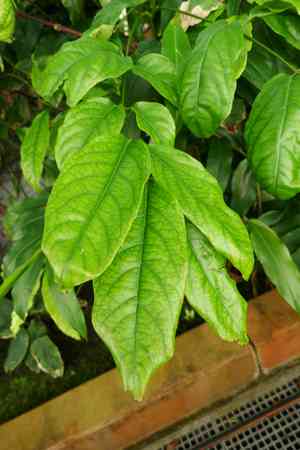
Poison devil's-pepper (Rauvolfia vomitoria)
Also known as: Emetic nut, Poison devil's-pepper
The poison devil's-pepper plant, known scientifically as Rauvolfia vomitoria, is a shrub indigenous to West African rainforests. Key identifying features include:
- Shiny, elliptical dark green leaves
- Clusters of small, white, tubular flowers
- Berries that change from red to black as they mature
The plant's roots and bark are rich in alkaloids, which have significant medicinal applications. Traditionally, it has been employed to:
- Lower blood pressure
- Treat mental health issues
- Reduce fever and pain
In contemporary medicine, its alkaloid reserpine is used to:
- Control hypertension
- Address certain psychiatric disorders
Due to its potency and possible side effects, any medical application should be conducted under professional supervision. Additionally, its ability to thrive in partial shade makes it a viable option for landscaping.
Attributes of Poison devil's-pepper
Images of Poison devil's-pepper
Quickly Identify Poison devil's-pepper
Scientific Classification of Poison devil's-pepper
Planting and Growing of Poison devil's-pepper
 How to Water Poison devil's-pepper?
 What Are the Sunlight Requirements for Poison devil's-pepper?
 What Is the Ideal Temperature Range for Poison devil's-pepper?
 What Soil is Best for Poison devil's-pepper?
 How to Fertilize Poison devil's-pepper?
 How to Prune Poison devil's-pepper?
 How to Propagate Poison devil's-pepper plant?
 How to Repot Poison devil's-pepper plant?
Toxicity
Ingestion



