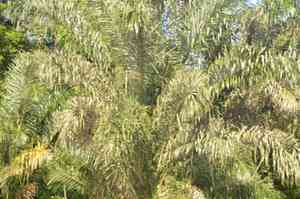
Raffia palms (Raphia) (Raphia)
Also known as: Raffia Palm, Jupati Palm
The **Raffia** palms are a genus of approximately twenty species native to tropical areas of Africa, particularly Madagascar, with one species, *Raphia taedigera*, also found in Central and South America. These palms are monocarpic, meaning they flower once before dying. They can reach heights of up to 16 meters and are notable for having the longest compound pinnate leaves in the plant kingdom.
In This Article
Attributes of Raffia palms (Raphia)
Lifespan
Perennial
Plant Height
Up to 16 meters
Spread
Up to 10 meters
Leaf Color
Dark Green
Flower Size
Small, about 2 cm
Flower Color
Creamy White
Images of Raffia palms (Raphia)
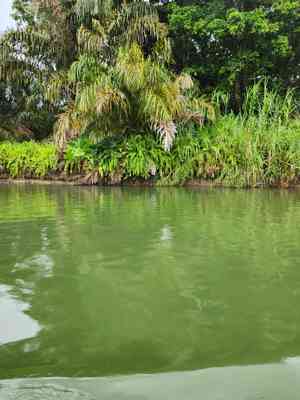
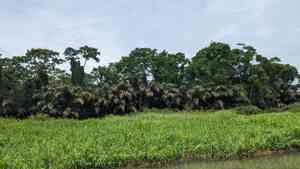
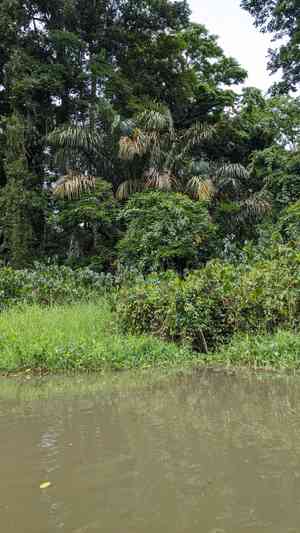
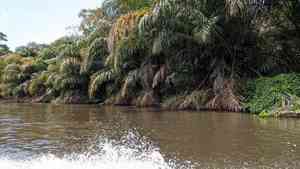
Quickly Identify Raffia palms (Raphia)
1
Raphia palms can be identified by their enormous leaves which are pinnately compound and have a strongly arched form. The leaflets are typically lanceolate and can vary in length. The plant also features a solitary or few-stemmed trunk with a rough, fibrous texture.
Scientific Classification of Raffia palms (Raphia)
Phylum
Magnoliophyta
Class
Liliopsida
Order
Arecales
Family
Arecaceae
Genus
Raphia
Planting and Growing of Raffia palms (Raphia)
Care Difficulty
Hard
Watering Schedule
Every 2 days
Sunlight Requirements
Partial sun
Sunshine Duration
6-10 hours
Ideal Temperature
75-85℉
Soil Type
Potting Mix, Peat Mix
Soil pH
5.5-7.5
Fertilizer Type
Balanced
Pruning Season
Spring, Summer
Pruning Area
Branches, Leaves
Pruning Frequency
2 times a year
Repotting Season
Spring
Pot Type
Plastic, Ceramic
 How to Water Raffia palms (Raphia)?
For Raphia, ensure each watering session provides around 500 ml. The key is to maintain moist but not soggy soil, allowing the top layer to dry slightly between sessions, preventing root rot while sustaining hydration.
What are the symptoms of an underwatered Raffia palms (Raphia)?
›
What should I do if my Raffia palms (Raphia) is not getting enough water?
›
What are the symptoms of an overwatered Raffia palms (Raphia)?
›
How to save an overwatered Raffia palms (Raphia)?
›
 What Are the Sunlight Requirements for Raffia palms (Raphia)?
Partial sunlight benefits Raphia by preventing leaf burn while promoting healthy growth, making it ideal for sustaining its lush foliage.
How much sunlight does Raphia need?
›
What should I do to ensure ideal lighting?
›
What benefits does ideal lighting bring?
›
 What Is the Ideal Temperature Range for Raffia palms (Raphia)?
Raphia palms thrive in a warm environment, ideally between 75°F and 85°F. This range ensures optimal growth and health of the plant. Within this temperature window, the metabolic processes and photosynthesis occur efficiently, promoting robust growth and healthy foliage. Maintaining these temperatures can also prevent stress and potential diseases that could stymie the plant's development.
 What Soil is Best for Raffia palms (Raphia)?
Raphia thrives in well-draining soil, which prevents waterlogging and root rot. The balance of moisture and oxygen is crucial for its growth, ensuring strong root development and vibrant foliage. A nutrient-rich soil is essential for Raphia to reach its full potential. High organic content supports its growing needs, providing sustained energy for robust growth and healthier plants. Soil with good moisture retention helps Raphia survive dry spells, ensuring a steady supply of water while preventing excessive drying out. This is crucial for maintaining leaf health and vigor.
 How to Fertilize Raffia palms (Raphia)?
For Raphia, the fertilizer amount should be modest to support healthy growth. Use about half the recommended strength for typical houseplants during the growing season. Over-fertilization can lead to root burn and poor plant health.
 How to Prune Raffia palms (Raphia)?
Ensure that your pruning tools are sharp and clean before you start. Dull tools can cause jagged cuts, which take longer to heal and can invite pests and disease. Since Raphia plants can be large and feature spiky or rough-textured fronds, it’s advisable to wear gloves and protective clothing to prevent scratches and other minor injuries during pruning. Familiarize yourself with how Raphia palms grow. They develop new fronds from the center, while older fronds die off at the edges. Prune only the outermost, oldest fronds unless shaping is needed.
 How to Propagate Raffia palms (Raphia) plant?
1
To prepare Raphia seeds for propagation, soak them in water for 24 hours to enhance germination rates. This softens the seed coat and encourages faster sprouting.
2
Select healthy branches for cuttings, and use pruning shears to make clean, diagonal cuts. Aim for cuttings that are about 6-8 inches long, ensuring there are at least two nodes present.
3
Fill seed trays with a well-draining potting mix, and plant the prepared seeds or cuttings. Cover the seeds lightly with soil, and ensure cuttings are inserted deep enough to cover two-thirds of their length.
 How to Repot Raffia palms (Raphia) plant?
1
It's essential to repot Raphia when you notice signs of rootbound conditions, such as roots growing through the drainage holes. Another clear indicator is when the growth of the plant slows down, suggesting that it needs more space to thrive.
2
Opt for a pot that is 2-3 inches larger in diameter than the current one. This allows ample space for root growth without overwhelming the plant. Ensure it has adequate drainage holes to prevent waterlogging, which could lead to root rot.
3
Use a well-draining potting mix that maintains moisture without becoming waterlogged. A mix containing peat, pine bark, and perlite is ideal as it promotes aeration while retaining necessary nutrients, supporting healthy root development.

