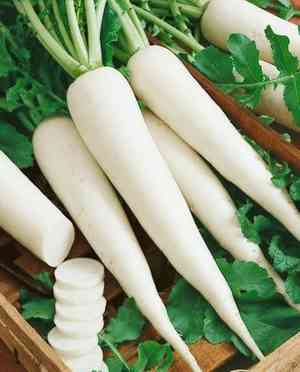
Radish (Raphanus sativus)
Also known as: Cultivated radish, Garden radish
Radish (Raphanus sativus) is a widely cultivated plant that serves as a dietary staple in various cultures globally. It boasts numerous varieties, with some suited for spring, summer, and winter cultivation. Typically, the radish root is consumed raw, often featured in salads or employed as a garnish.
In This Article
Plant Comprehensive Care Guide: Beginner's Introduction and Key Details
Perfect for beginners starting their plant care journey
→
10 Secrets to Making Radish Grow Faster (A Must-Read for Beginners)
Advanced tips to accelerate your plant's growth
→
Care "Black Tech": 10 Little-Known Highly Effective Maintenance Tips
Expert-level techniques for optimal plant care
→
Attributes of Radish
Lifespan
Annual, Biennial
Plant Type
Herb
Plant Height
20 cm to 1 m
Spread
30 cm to 60 cm
Leaf Color
Green Blue
Flower Size
1 cm to 1.5 cm
Flower Color
White Purple Yellow Cream
Images of Radish
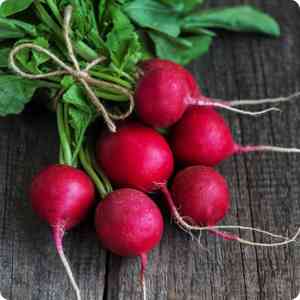
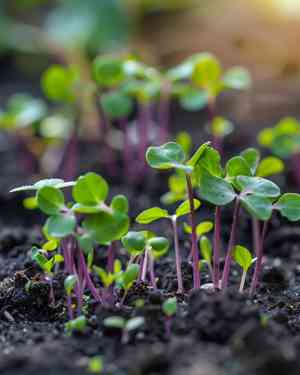
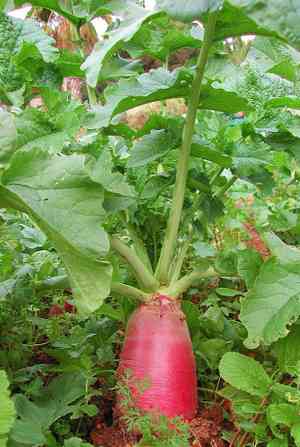
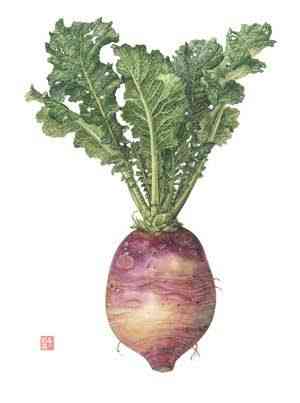
Quickly Identify Radish
1
Look for a fleshy, edible root that can vary in shape from spherical to elongated. Leaves are rough and slightly hairy, and flowers are white to pink with purple veins.
Scientific Classification of Radish
Phylum
Vascular plants
Class
Dicotyledons
Order
Mustards, capers, and allies
Family
Cruciferae
Genus
Radishes
Species
Radish
Planting and Growing of Radish
Care Difficulty
Easy
Watering Schedule
Every 8 days
Sunlight Requirements
Full sun
Sunshine Duration
6-8 hours
Ideal Temperature
60-70℉
Soil Type
Potting Mix, Peat Mix
Soil pH
6.5-7.5
Fertilizer Type
Balanced
Pruning Season
Spring, Summer
Pruning Area
Branches, Leaves
Pruning Frequency
Once a year
Repotting Season
Spring
Pot Type
Plastic, Ceramic
 How to Water Radish?
Raphanus sativus, commonly known as radish, requires a consistent watering approach to maintain soil moisture. Each watering session should deliver around 200 milliliters of water to ensure that the soil remains moist but not waterlogged. The goal is to maintain a balance where the soil can support root growth without drowning the plant.
More About Watering Techniques→
What are the symptoms of an underwatered Radish?
›
What should I do if my Radish is not getting enough water?
›
What are the symptoms of an overwatered Radish?
›
How to save an overwatered Radish?
›
 What Are the Sunlight Requirements for Radish?
Radishes thrive in full sun or partial sun exposure. Ideal lighting increases photosynthesis, yielding strong leaves and rich, flavorful radish roots.
More About Sunlight Requirements Techniques→
What is the best type of sunlight for Raphanus sativus?
›
How can one ensure radishes receive ideal sunlight?
›
What are the benefits of providing optimal sunlight to radishes?
›
 What Is the Ideal Temperature Range for Radish?
The ideal temperature range of 60-70°F (15.5-21°C) for Raphanus sativus ensures optimal growth and flavor development. Within this range, metabolic processes such as photosynthesis and respiration are balanced, leading to healthy root and leaf development. Additionally, this temperature range helps in minimizing the risk of pests and diseases.
 What Soil is Best for Radish?
Raphanus sativus thrives in well-drained soil which prevents waterlogging and root rot. Well-drained soil ensures that the plant roots have access to ample oxygen, promoting healthy root development and robust plant growth. This plant benefits from moderate soil fertility, which provides the necessary nutrients without overwhelming the plant. Adequate fertility promotes optimal root and foliage development, enhancing the quality of the produce. Having soil with a pH between 6.5 and 7.5 is ideal for radish plants, as it maximizes nutrient availability and uptake, leading to better overall plant health and yield.
More About Soil→
 How to Fertilize Radish?
For Raphanus sativus, a balanced NPK (nitrogen, phosphorus, potassium) fertilizer is recommended, typically with a ratio of 10-10-10. Apply liquid fertilizer at a quarter strength to avoid burning the roots, using about 2 tablespoons per gallon of water.
More About Fertilizing Techniques→
 How to Prune Radish?
Begin by inspecting the plant for any signs of damaged or yellowing leaves. Using sharp, sterilized pruners, cut these leaves at the base where they join the main stem. Ensure to make clean cuts to prevent any potential infections. Moreover, during heavy growth, thinning out excess leaves slightly can assist in better sun exposure and nutrient distribution.
More About Pruning Techniques→
 How to Propagate Radish plant?
1
Ensure the seeds are viable by performing a float test. Discard seeds that float as they are likely non-viable. Only use seeds that sink to ensure successful germination.
2
Fill a seed tray with potting mix and create shallow furrows. Sow the seeds thinly and evenly in these furrows, then cover lightly with more potting mix.
3
After sowing, water gently but thoroughly to keep the soil moist. Place the seed tray in a warm, bright location. Monitor daily and ensure consistent moisture for optimal germination.
 How to Repot Radish plant?
1
For Raphanus sativus, the ideal time to consider repotting is when growth appears stunted, roots are visibly crowded at the drainage holes, or soil degradation is evident. Usually, these are good indicators that make spring and autumn the best seasons for repotting, offering optimal recovery and regrowth periods.
2
Select a pot that's just one size bigger than the current one to ensure a snug fit that promotes growth without overwhelming the plant. A pot with adequate drainage holes also prevents waterlogging and root rot, crucial for maintaining healthy root systems over time.
3
Opt for a mix of loamy soil that facilitates excellent drainage yet retains enough moisture for Raphanus sativus. This balance is vital for preventing water stress and encouraging robust root development, ultimately benefiting the plant's overall health and yield.
Learn More About Radish Diseases
Bacterial Leaf Spot
Bacterial Soft Rot
Clubroot
Cyst Nematode
Damping-off
Downy Mildew
Drought Stress
Fusarium Wilt
Gray Mold
Leaf Spot
Mosaic
Nutrient Deficiency
Nutrient Toxicity
Powdery Mildew
Root Rot
Root-knot Nematode
Rusts
Spider Mites
Temperature Stress
Thrips Damage
White Mold
Chemical Injury



