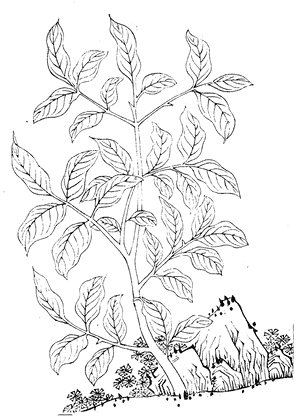
Celery-leaved buttercup (Ranunculus sceleratus)
Also known as: Crowfoot Buttercup, Cursed crowfoot, Ditch crowfoot
Another term for Ranunculus sceleratus is "cursed buttercup." This nickname stems from its high levels of the toxic compound protoanemonin, which can cause skin blisters when the leaves are crushed.
Attributes of Celery-leaved buttercup
Images of Celery-leaved buttercup
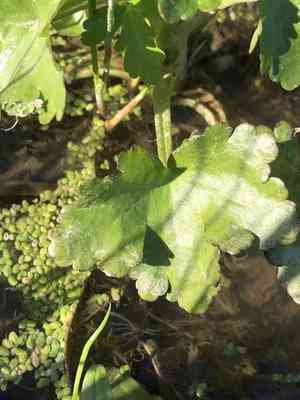
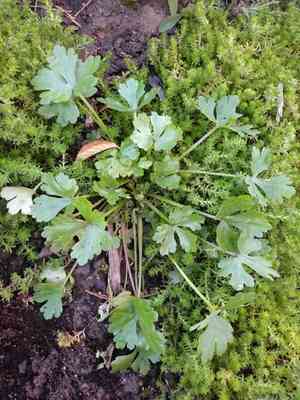
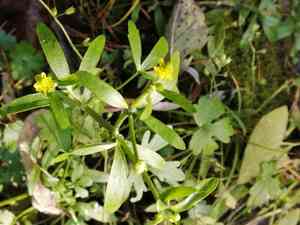
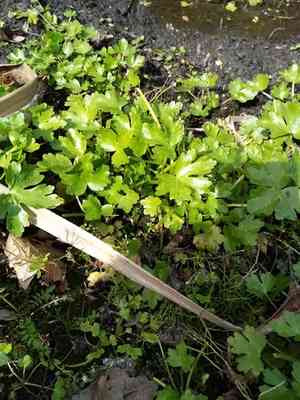
Quickly Identify Celery-leaved buttercup
Scientific Classification of Celery-leaved buttercup
Planting and Growing of Celery-leaved buttercup
 How to Water Celery-leaved buttercup?
 What Are the Sunlight Requirements for Celery-leaved buttercup?
 What Is the Ideal Temperature Range for Celery-leaved buttercup?
 What Soil is Best for Celery-leaved buttercup?
 How to Fertilize Celery-leaved buttercup?
 How to Prune Celery-leaved buttercup?
 How to Propagate Celery-leaved buttercup plant?
 How to Repot Celery-leaved buttercup plant?
Toxicity of Celery-leaved buttercup
Is Celery-leaved buttercup toxic to humans?
The Celery-leaved buttercup poses a risk of poisoning to individuals through both consumption and skin contact. The toxicity levels are considered to be quite severe. Every part of this plant contains toxic compounds when it is fresh. However, drying the plant eliminates these harmful substances. Symptoms arising from consumption can include various digestive disturbances. In more extreme cases, it may induce convulsions and dizziness. Consuming large quantities may lead to respiratory failure and impaired circulatory function, which can result in reduced body temperature. Contact with the skin may cause rashes, blisters, and injuries. This particular plant is commonly found in open fields and domestic gardens, increasing the likelihood of human exposure.
Is Celery-leaved buttercup toxic to cat?
The celery-leaved buttercup presents a moderate risk of toxicity to cats. Cats can be exposed to this plant through direct contact or accidental consumption of any of its parts, as the entire plant harbors toxic substances. Symptoms of poisoning in a cat may include various signs of physical distress or illness. To reduce the risks following exposure to or ingestion of the celery-leaved buttercup, prompt veterinary care is essential for the well-being and recovery of the animal.
Is Celery-leaved buttercup toxic to dog?
The celery-leaved buttercup, a certain plant species, presents a moderate toxicity risk to dogs. Canines can experience poisoning from this plant through skin exposure or inadvertent ingestion. The entirety of the plant is toxic, and if a dog either makes contact with or consumes any portion of it, they may display symptoms such as gastrointestinal disturbances, excessive salivation, vomiting, and diarrhea. In more severe instances, more critical symptoms could manifest. The harmful agent responsible for these adverse reactions is protoanemonin. Dog owners must remain vigilant in preventing their pets from coming into contact with or consuming celery-leaved buttercup. If poisoning is suspected, it is crucial to seek immediate veterinary assistance to ensure the best possible prognosis for the affected animal.



